

Harvard University
Harvard University is a private university in Cambridge, Massachusetts. It was founded in 1636 by the Massachusetts General Court. 21,189 students study there (2024).
- Located in
- Cambridge
- Country
- United States
- Founded
- September 8, 1636
- Students
- 21,189 (2024)
- What it is
- private university
All 14 facts, and where they come from
Facts
14 facts · 0 confirmed by two sources · 3 cited · 11 from one source
Where this comes from
Papalocal keeps its own record. It started from these sources; what each one said is kept here as it was copied, so a change on their side never changes this page by itself. Tap one to read its version.
What Wikidata says · copied November 16, 2026 · revision 2560802993
- Described as
- private university in Cambridge, Massachusetts
- Other names
- University of Harvard, Harvard Graduate School, harvard.edu, Harvard university, Kremlin on the Charles, New College, Cambridge, Massachusetts, Harvard U., Harvard Univ., Harvard.edu, Harvard
- What it is
- private university; research university; colonial colleges
- Founded
- September 8, 1636
- Founded by
- Massachusetts General Court
- Headquarters
- Cambridge
- Located in
- Cambridge · 1 reference
- Country
- United States · 1 reference
- Industry
- higher education
- Chair
- Alan Garber (2024–)
- Part of
- President and Fellows of Harvard College
- Students
- 21,189 (2024) · 1 reference
- Named after
- John Harvard
- Official website
- https://harvard.edu
- Wikipedias with a page
- 151
Wikidata item Q13371 (wikidata.org/wiki/Q13371), public domain (CC0). Copied 2026-11-16.
What Wikipedia says · copied November 16, 2026 · revision 1384062958
Harvard University is a private Ivy League research university in Cambridge, Massachusetts, United States. Founded in 1636, and named Harvard College in 1639 in honor of its first benefactor, Puritan clergyman John Harvard, it is the oldest institution of higher learning in the United States. Its influence, wealth, and rankings have made it one of the most prestigious universities in the world.
Harvard was founded and authorized by the Massachusetts General Court, the governing legislature of colonial-era Massachusetts Bay Colony. While never formally affiliated with any Protestant denomination, Harvard trained Christian clergy of Congregational denomination until its curriculum and student body were gradually secularized in the 18th century. In 1780, the Constitution of Massachusetts referred to it as a university, and a new medical school established in 1782 was named the Medical Institution of Harvard University; but this was a new name, not a new foundation. Harvard College soon became the name of the university's undergraduate division.
By the 19th century, Harvard had emerged as the most prominent academic and cultural institution among the Boston elite. Following the American Civil War, under Harvard president Charles William Eliot's long tenure from 1869 to 1909, Harvard developed multiple professional schools, which transformed it into a modern research university. In 1900, Harvard co-founded the Association of American Universities. James B. Conant led the university through the Great Depression and World War II, and liberalized admissions after the war.
The university has ten academic faculties and a faculty attached to Harvard Radcliffe Institute. The Faculty of Arts and Sciences offers study in a wide range of undergraduate and graduate academic disciplines, and other faculties offer graduate degrees, including professional degrees. Harvard has three campuses:
the 209-acre (85 ha) main campus in Cambridge centered on Harvard Yard; an adjoining campus immediately across the Charles River in the Allston neighborhood of Boston; and the medical campus in Boston's Longwood Medical Area. Harvard's endowment, valued at $55.7 billion, makes it the wealthiest academic institution in the world. Harvard Library, with more than 20 million volumes, is the world's largest academic library.
From the Wikipedia article “Harvard University” (en.wikipedia.org/wiki/Harvard_University), by its contributors, under CC BY-SA 4.0 (creativecommons.org/licenses/by-sa/4.0/). Copied 2026-11-16; not changed.
Confirmed Two sources agree. Cited One source, and it names where it got it. One source One source, without a reference of its own. Sources disagree The sources disagree. We show the best-supported value and keep theirs below.
Picture: Wikimedia Commons: Sanders theater 2009y.JPG · See Commons file page
People connected 522
Studied here 351
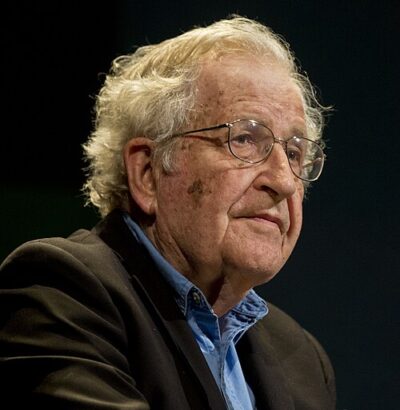 Noam Chomsky (1951–1955)American linguist and activist (born 1928)
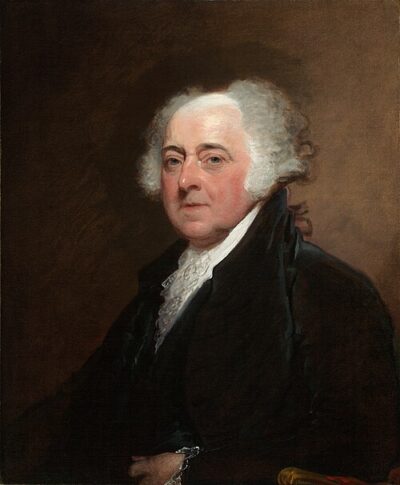 John AdamsFounding Father, U.S. president from 1797 to 1801 (1735–1826)
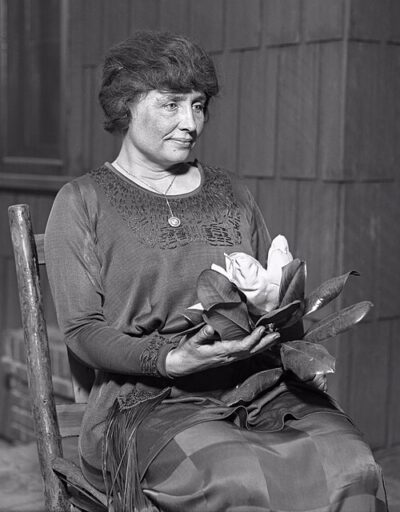 Helen KellerAmerican deafblind author, political activist, lecturer, scholar (1880-1968)
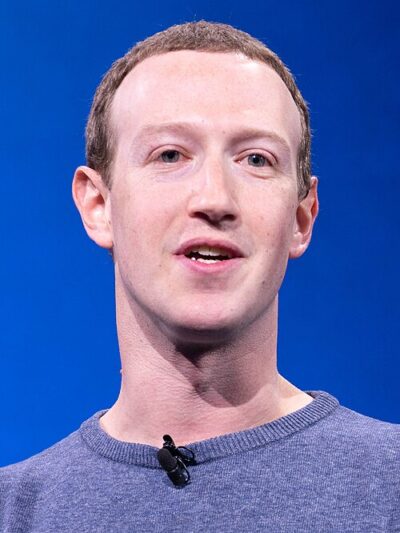 Mark Zuckerberg (2002–)American Internet entrepreneur
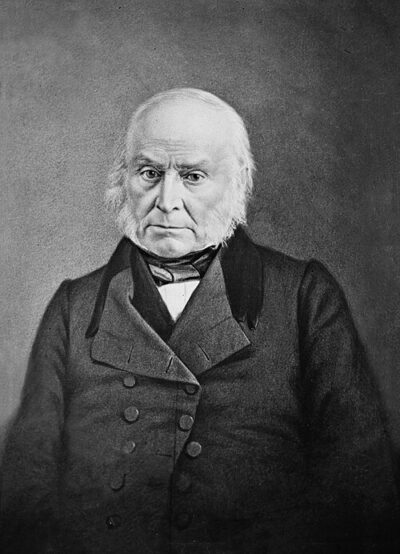 John Quincy AdamsPresident of the United States from 1825 to 1829
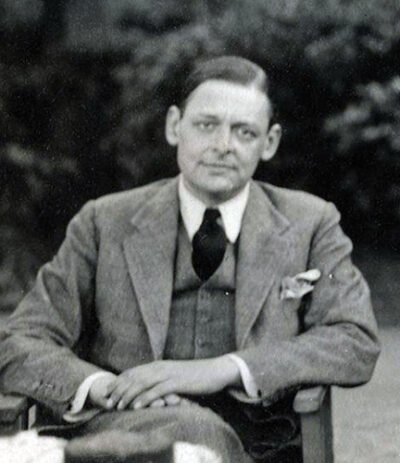 T. S. EliotUS-British poet (1888–1965)
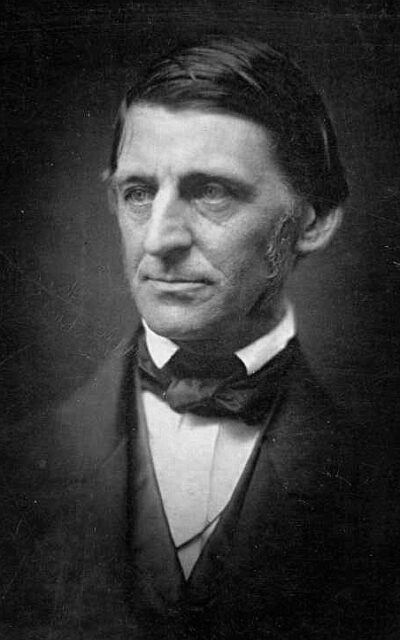 Ralph Waldo EmersonAmerican philosopher (1803–1882)
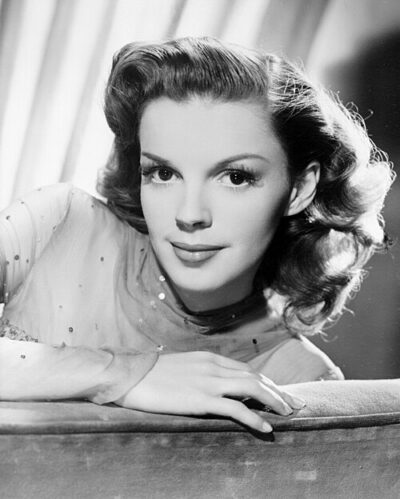 Judy GarlandAmerican actress, singer, dancer and vaudevillian (1922–1969)
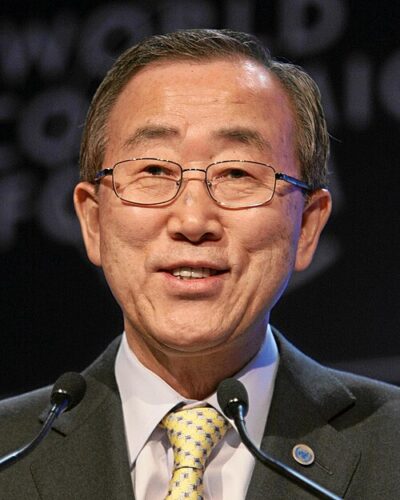 Ban Ki-moon8th Secretary-General of the United Nations
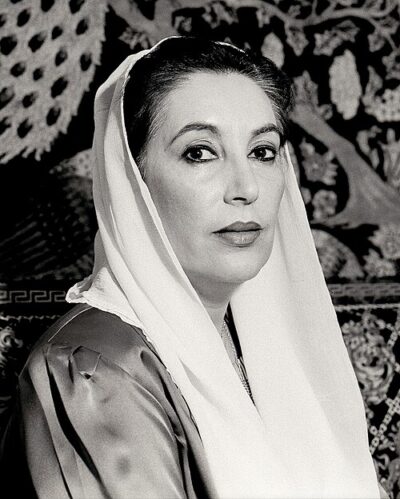 Benazir Bhutto11th and 13th prime minister of Pakistan (1953–2007)
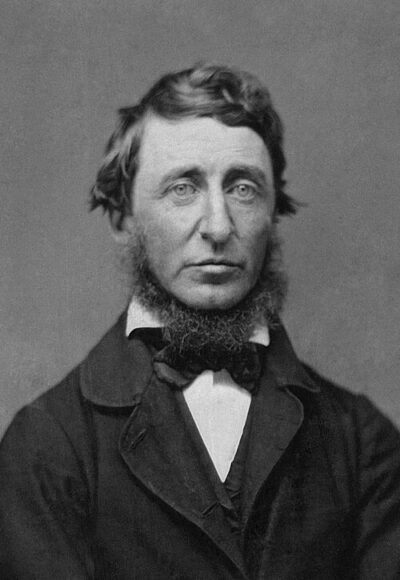 Henry David ThoreauAmerican essayist, poet, and philosopher (1817–1862)
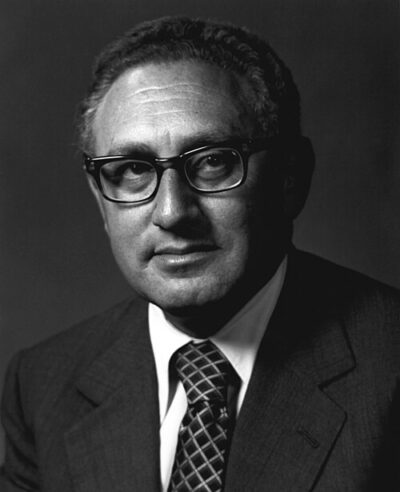 Henry Kissinger (1947–1954)American diplomat and geopolitical advisor, served as U.S. Secretary of State from 1973 to 1977 (1923–2023)
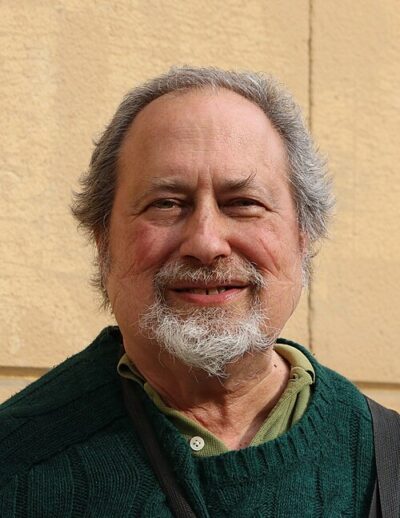 Richard StallmanAmerican software freedom activist, short story writer and computer programmer, founder of the GNU project
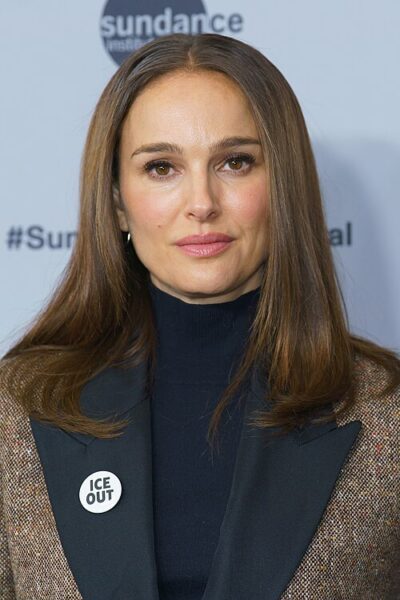 Natalie Portman (1999–2003)Israeli-American actress (born 1981)
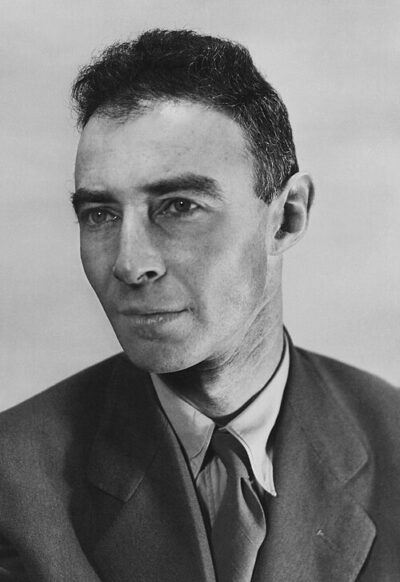 J. Robert OppenheimerAmerican theoretical physicist (1904–1967)
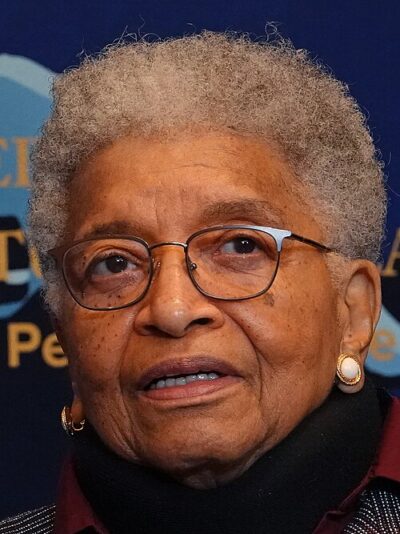 Ellen Johnson Sirleaf (1969–1971)24th president of Liberia
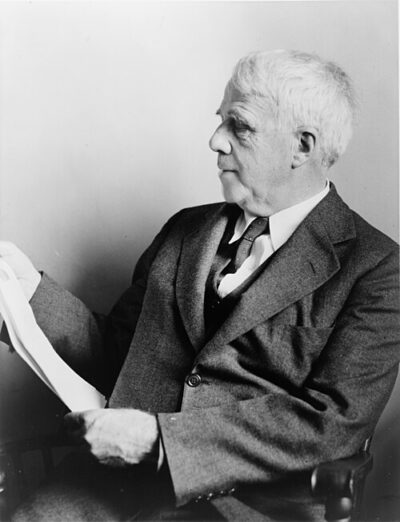 Robert Frost (1891–1897)American poet (1874–1963)
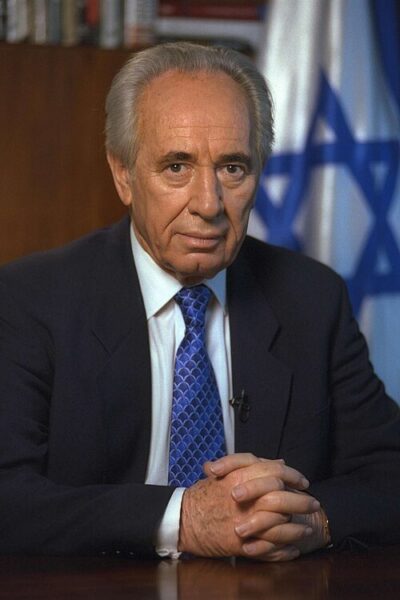 Shimon PeresIsraeli politician (1923–2016) –Former President of Israel (2007–2014) and Prime Minister of Israel (1977, 1984–1986, 1995–1996)
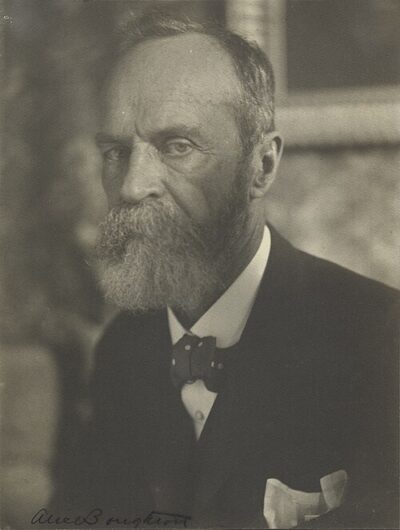 William JamesAmerican philosopher, psychologist, and pragmatist (1842–1910)
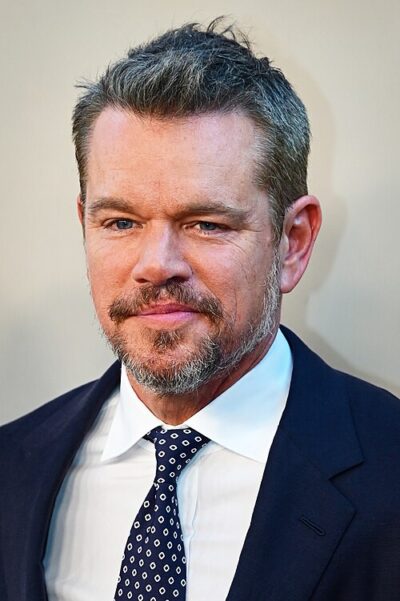 Matt DamonAmerican actor (born 1970)
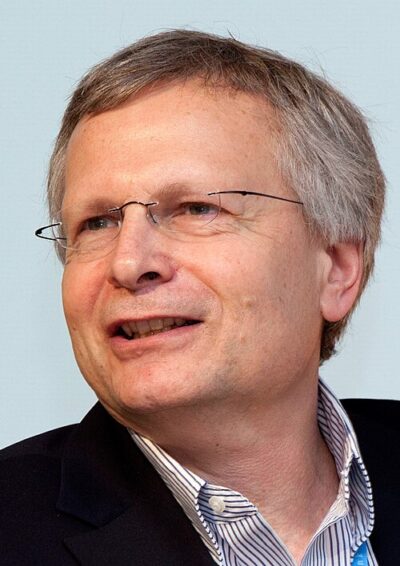 Dani RodrikTurkish economist and publicist (born 1957)
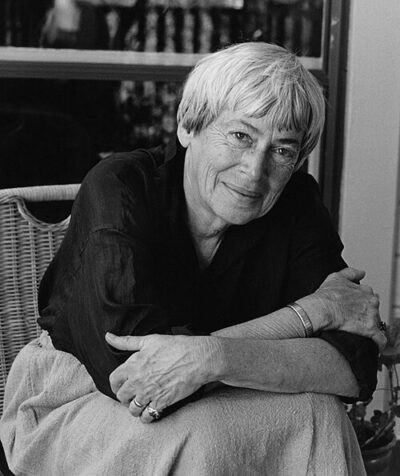 Ursula K. Le GuinAmerican fantasy and science fiction author (1929–2018)
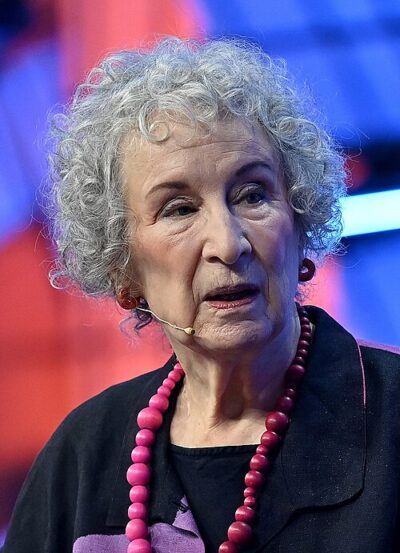 Margaret Atwood (1962–1967)Canadian poet, novelist, literary critic, essayist, teacher, environmental activist, pépiniériste and inventor (born 1939)
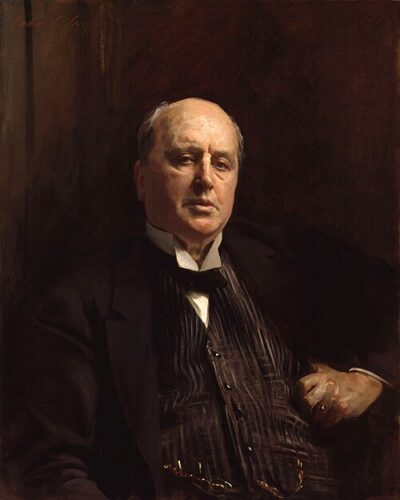 Henry JamesAmerican and British writer (1843–1916)
and 327 more
Worked here 249
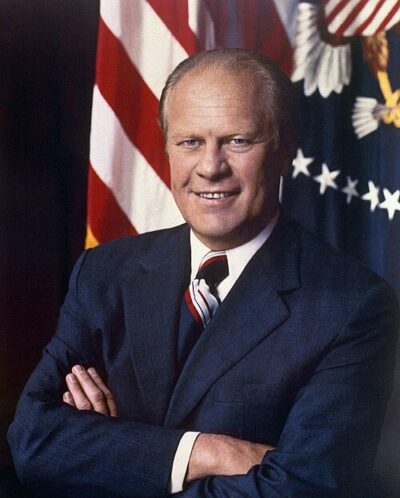 Gerald Fordpresident of the United States from 1974 to 1977 (1913–2006)
- John Quincy AdamsPresident of the United States from 1825 to 1829
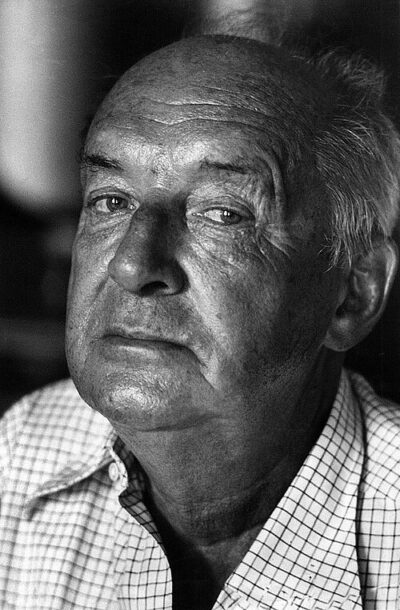 Vladimir NabokovRussian-American novelist, lepidopterist, professor (1899–1977)
- Henry KissingerAmerican diplomat and geopolitical advisor, served as U.S. Secretary of State from 1973 to 1977 (1923–2023)
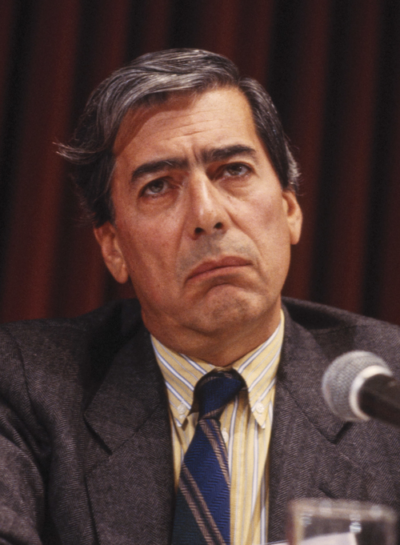 Mario Vargas Llosa (1992)Peruvian, Spanish and Dominican novelist and writer (1936–2025)
- Robert FrostAmerican poet (1874–1963)
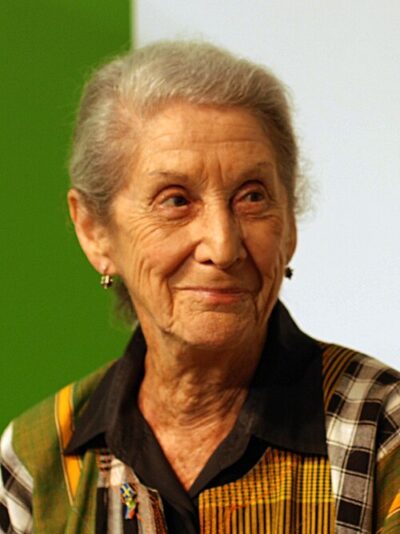 Nadine GordimerSouth African writer (1923–2014)
- William JamesAmerican philosopher, psychologist, and pragmatist (1842–1910)
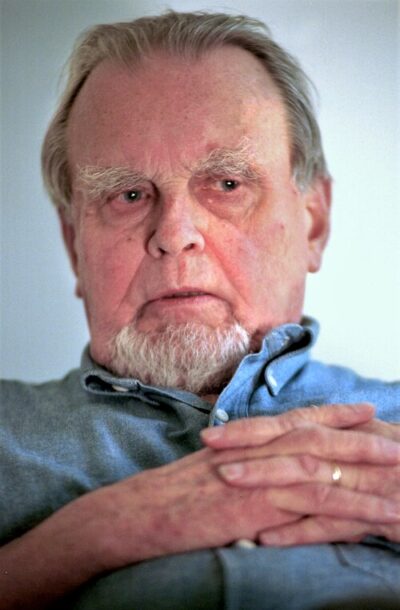 Czesław MiłoszPolish-American poet and Nobel laureate (1911–2004)
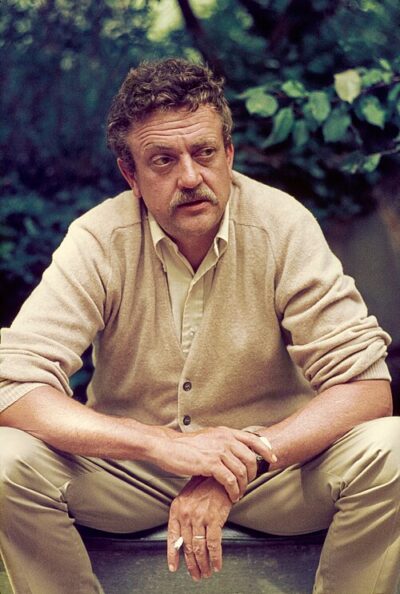 Kurt VonnegutAmerican author (1922–2007)
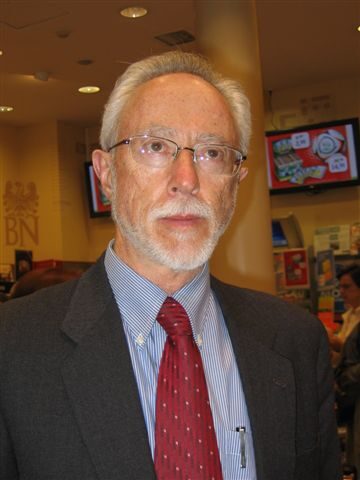 J. M. CoetzeeSouth African and Australian writer and scholar (born 1940)
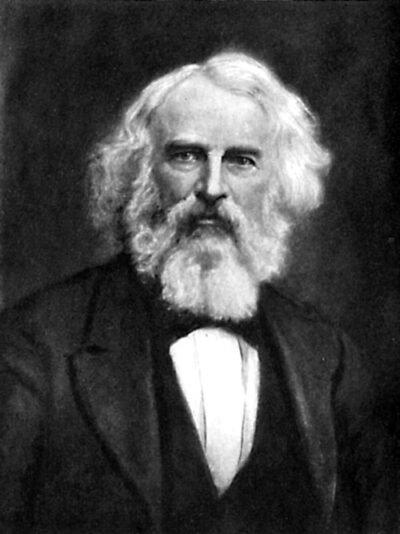 Henry Wadsworth LongfellowAmerican poet and educator (1807–1882)
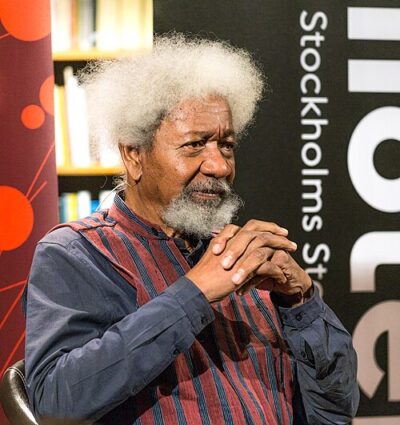 Wole SoyinkaNigerian writer and playwright (born 1934)
- Dani RodrikTurkish economist and publicist (born 1957)
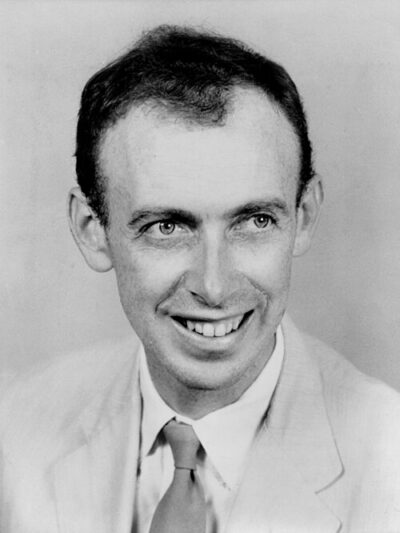 James WatsonAmerican molecular biologist, geneticist, zoologist and Nobel Laureate (1928–2025)
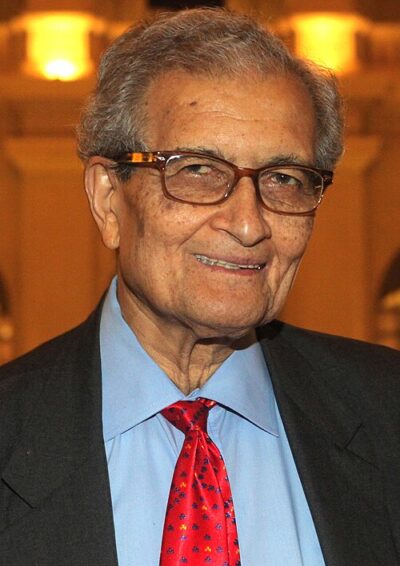 Amartya SenIndian economist and philosopher (1933-)
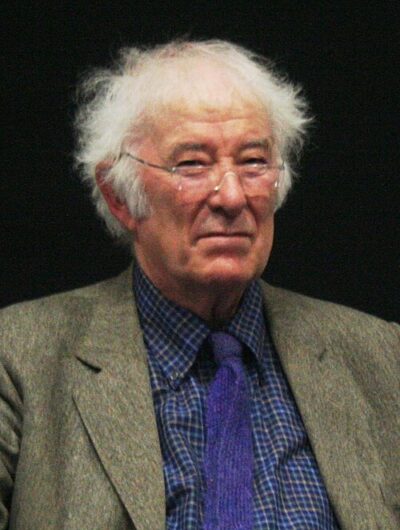 Seamus HeaneyIrish poet, playwright, translator, lecturer (1939–2013)
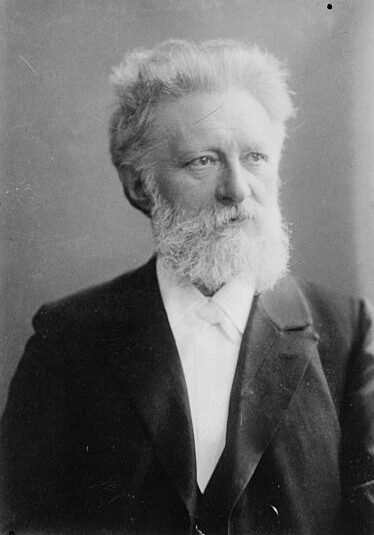 Rudolf Christoph Eucken(1846-1926) German philosopher
- Henry JamesAmerican and British writer (1843–1916)
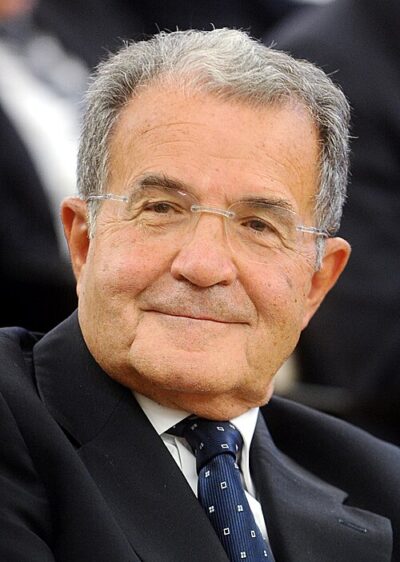 Romano ProdiItalian politician and economist (born 1939)
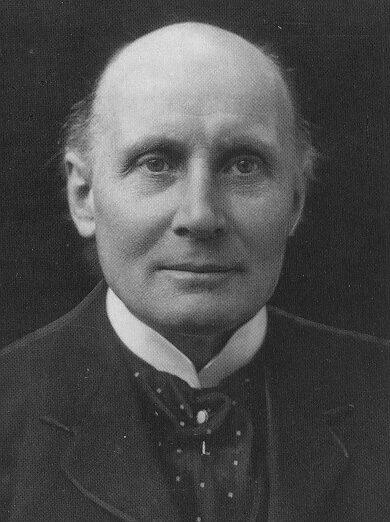 Alfred North Whitehead (1924–1937)English mathematician and philosopher (1861–1947)
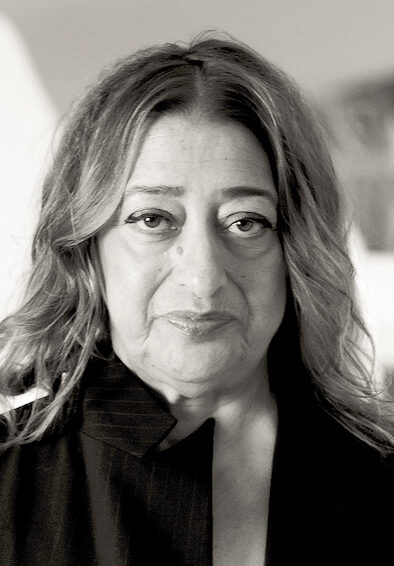 Zaha HadidIraqi British architect, designer and painter (1950–2016)
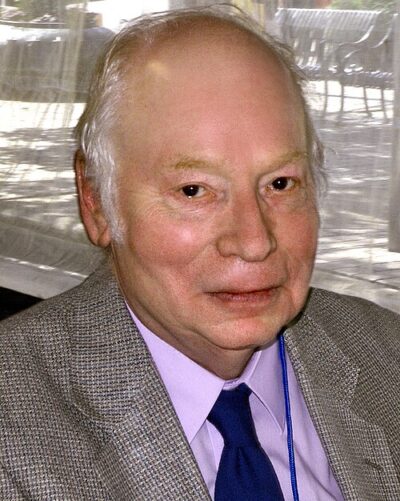 Steven WeinbergAmerican theoretical physicist (1933-2021)
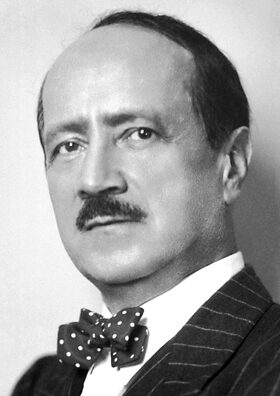 Saint-John PerseFrench poet and diplomat (1887–1975)
and 225 more
