
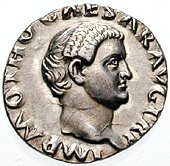
Otho
Otho was a seventh Roman Emperor. Born April 28, 32, in Ferentium. Died April 16, 69, in Brixellum. Positions held include Roman emperor (69), ancient Roman senator and Roman governor.
Facts
18 facts · 0 confirmed by two sources · 8 cited · 10 from one source
Where this comes from
Papalocal keeps its own record. It started from these sources; what each one said is kept here as it was copied, so a change on their side never changes this page by itself. Tap one to read its version.
What Wikidata says · copied November 16, 2026 · revision 2568846301
- Described as
- seventh Roman Emperor (69)
- Other names
- Marcus Otho Caesar Augustus, Nero Otho, Marcus Salvius Otho
- Born
- April 28, 32 · 1 reference
- Died
- April 16, 69 · 2 references
- Born in
- Ferentium · 1 reference
- Died in
- Brixellum · 1 reference
- Buried in
- Brixellum · 1 reference
- Cause of death
- exsanguination
- Citizen of
- Ancient Rome
- Occupation
- politician; military personnel
- Positions held
- Roman emperor (69); ancient Roman senator; Roman governor
- Spouse
- Poppaea Sabina
- Father
- Lucius Salvius Otho · 1 reference
- Mother
- Albia Terentia · 2 references
- Siblings
- Lucius Salvius Otho Titianus · 1 reference; Salvia
- Religion
- ancient Roman religion
- Wikipedias with a page
- 87
Wikidata item Q1416 (wikidata.org/wiki/Q1416), public domain (CC0). Copied November 16, 2026.
What Wikipedia says · copied November 16, 2026 · revision 1375582590
Marcus Salvius Otho (; 28 April 32 – 16 April 69) was Roman emperor, ruling for three months from 15 January to 16 April 69. He was the second emperor of the Year of the Four Emperors.
A member of a noble Etruscan family, Otho was initially a friend and courtier of the young emperor Nero until he was effectively banished to the governorship of the remote province of Lusitania in 58 following his wife Poppaea Sabina's affair with Nero. After a period of moderate rule in the province, he allied himself with Galba, the governor of neighbouring Hispania Tarraconensis, during the revolts of 68. He accompanied Galba on his march to Rome, but revolted and murdered Galba at the start of the next year.
Inheriting the problem of the rebellion of Vitellius, commander of the army in Germania Inferior, Otho led a sizeable force which met Vitellius' army at the Battle of Bedriacum. After initial fighting resulted in 40,000 casualties, and a retreat of his forces, Otho committed suicide rather than continue fighting, and Vitellius was proclaimed emperor.
From the Wikipedia article “Otho” (en.wikipedia.org/wiki/Otho), by its contributors, under CC BY-SA 4.0 (creativecommons.org/licenses/by-sa/4.0/). Copied November 16, 2026; not changed.
Confirmed Two sources agree. Cited One source, and it names where it got it. One source One source, without a reference of its own. Sources disagree The sources disagree. We show the best-supported value and keep theirs below.
