
Roman governor
Roman governor is an elective office. It is an office of Ancient Rome.
- Office of
- Ancient Rome
- Country
- Ancient Rome
All 3 facts, and where they come from
Facts
3 facts · 0 confirmed by two sources · 0 cited · 3 from one source
Where this comes from
Papalocal keeps its own record. It started from these sources; what each one said is kept here as it was copied, so a change on their side never changes this page by itself. Tap one to read its version.
What Wikidata says · copied November 16, 2026 · revision 2563020188
- Described as
- position
- Other names
- Rector provinciae
- What it is
- elective office
- Country
- Ancient Rome
- Office of
- Ancient Rome
- Wikipedias with a page
- 22
Wikidata item Q1190123 (wikidata.org/wiki/Q1190123), public domain (CC0). Copied 2026-11-16.
What Wikipedia says · copied November 16, 2026 · revision 1323394947
A Roman governor was an official either elected or appointed to be the chief administrator of Roman law throughout one or more of the many provinces constituting the Roman Empire.
The generic term in Roman legal language was rector provinciae, regardless of the specific titles, which also reflects the province's intrinsic and strategic status, and corresponding differences in authority.
By the time of the early Empire, two types of provinces existed—senatorial and imperial—and several types of governor would emerge. Only proconsuls and propraetors fell under the classification of promagistrate.
From the Wikipedia article “Roman governor” (en.wikipedia.org/wiki/Roman_governor), by its contributors, under CC BY-SA 4.0 (creativecommons.org/licenses/by-sa/4.0/). Copied 2026-11-16; not changed.
Confirmed Two sources agree. Cited One source, and it names where it got it. One source One source, without a reference of its own. Sources disagree The sources disagree. We show the best-supported value and keep theirs below.
People connected 17
Held this office
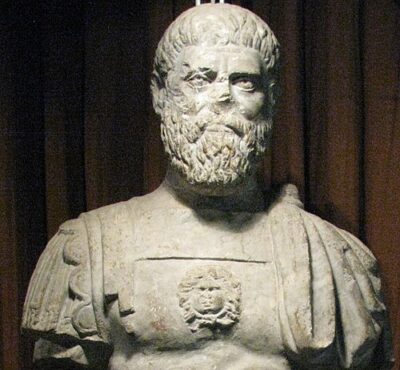 Pertinax (175–185)emperor of Ancient Rome (126-193)
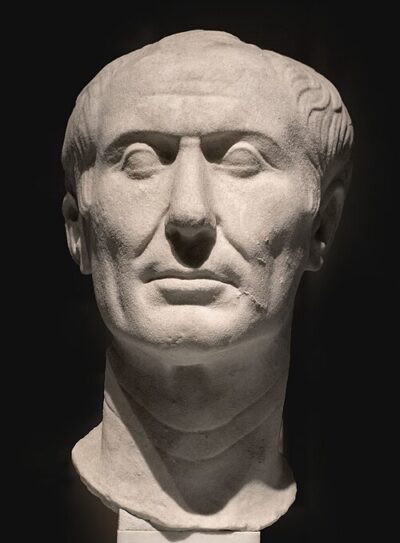 Julius Caesar (-61–-49)Roman general and dictator
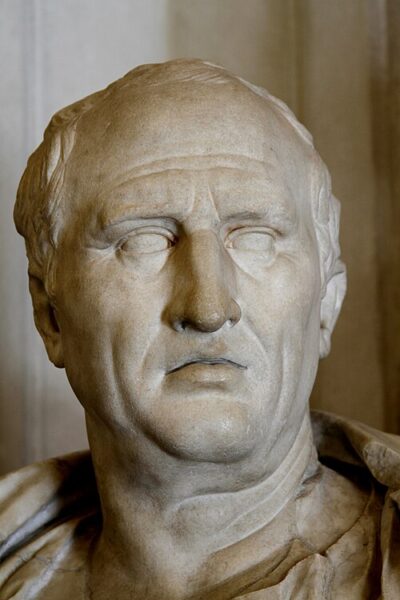 Cicero (-51–-50)Roman statesman, lawyer, orator, and philosopher (106–43 BC)
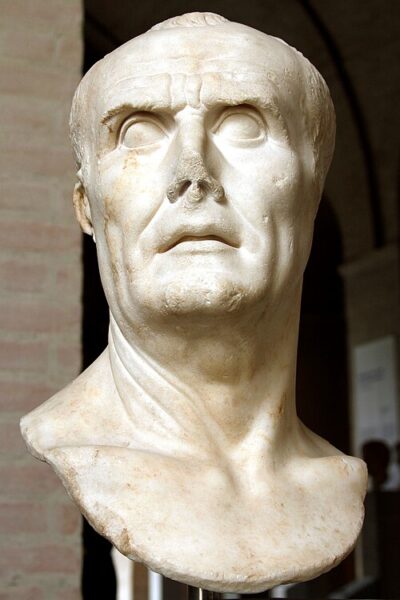 Gaius Marius (-115–-105)Roman general, statesman and military reformer (157-86 BC)
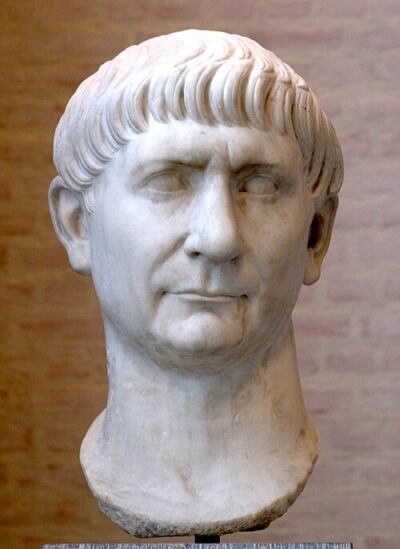 Trajan13th Roman Emperor (98–117)
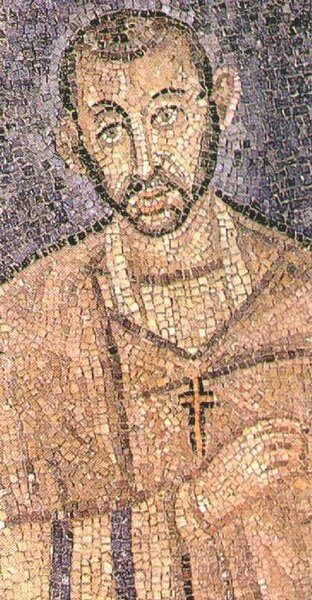 AmbroseRoman theologian and Bishop of Milan (c. 340–397)
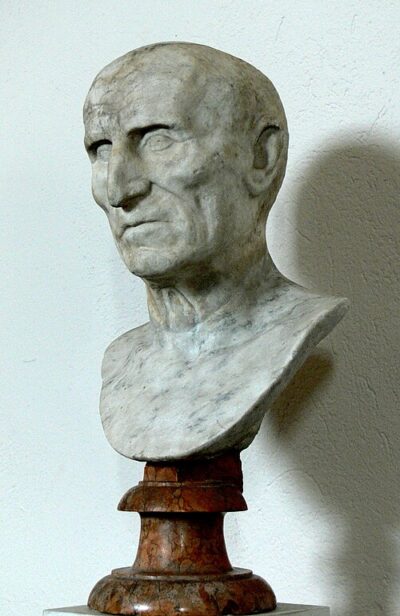 Galbasixth Roman Emperor (68–69)
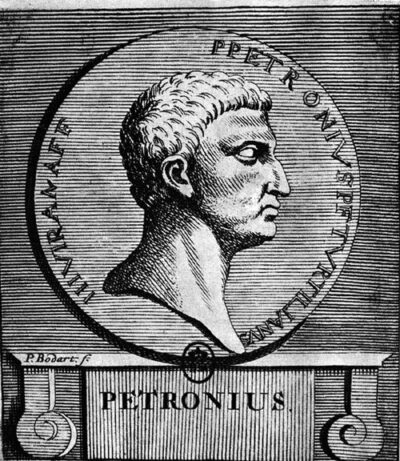 Petronius1st century AD Roman courtier and author of the Satyricon (27–66)
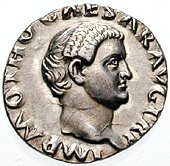 Othoseventh Roman Emperor (69)
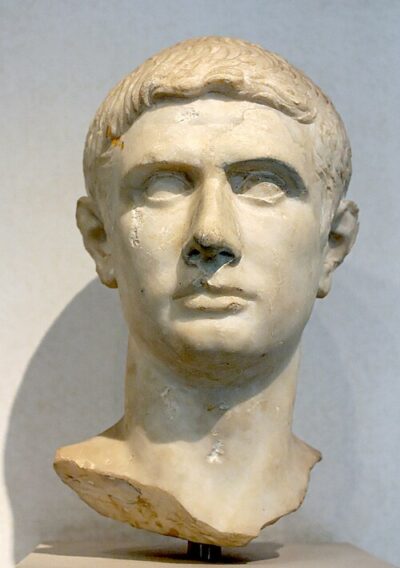 Marcus Junius Brutusassassin of Julius Caesar
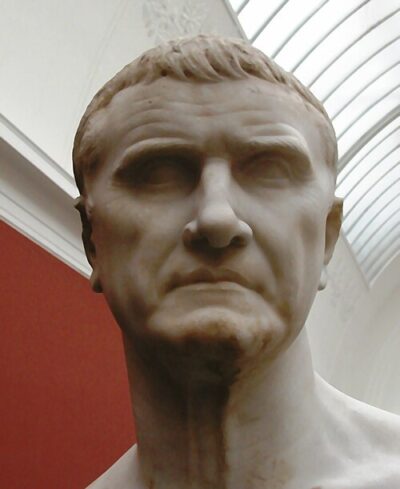 Marcus Licinius Crassusmember of the First Triumvirate
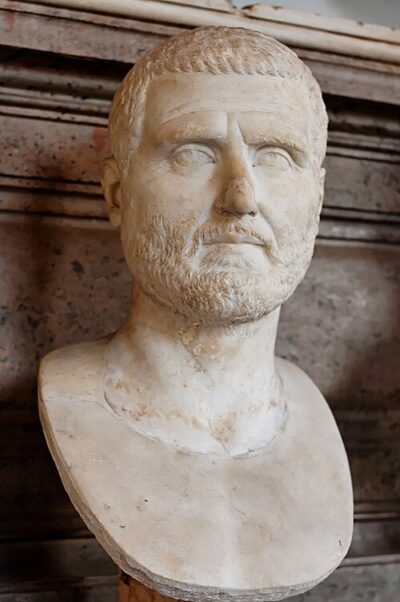 Gordian IRoman Emperor
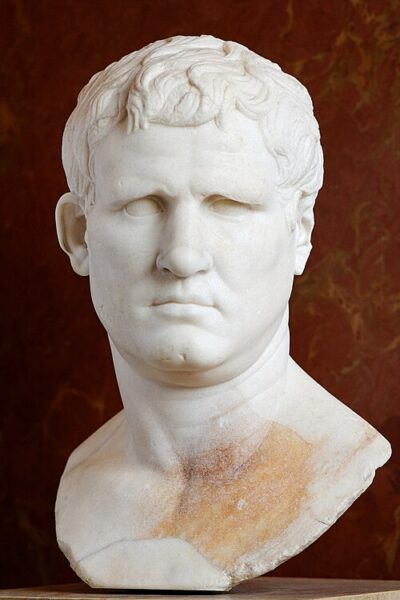 Marcus Vipsanius Agrippaancient Roman statesman and general
- AAurelius Victor4th century Roman historian and politician
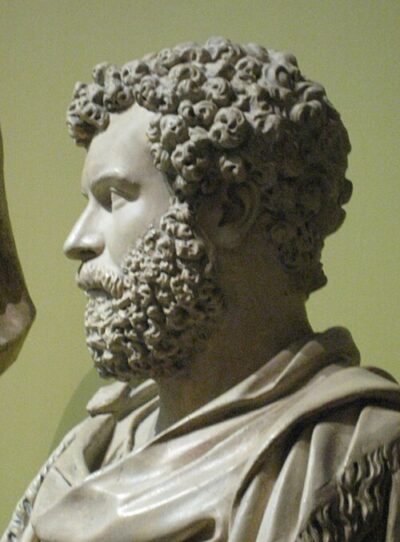 Clodius Albinususurper and Caesar of the Roman Empire (c.150-197)
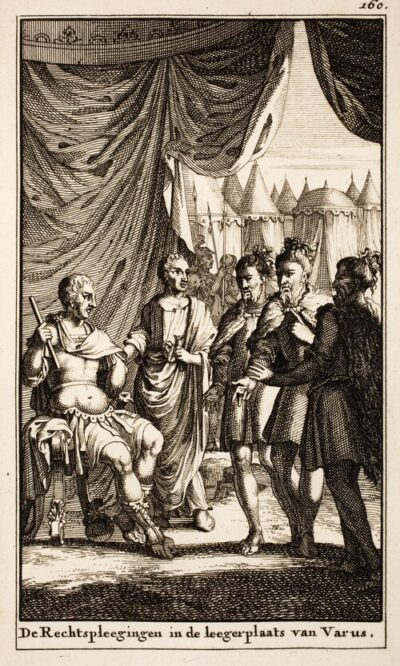 Publius Quinctilius Varusancient Roman politician and governor; known for being defeated by the Germans led by Arminius at the battle of the Teutoburg Forest
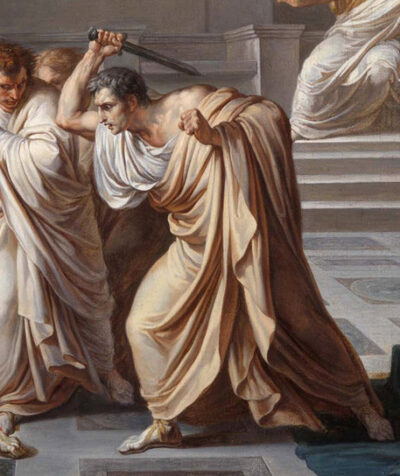 Gaius Cassius Longinusancient Roman politician, known for his role in the assassination of Julius Caesar
