
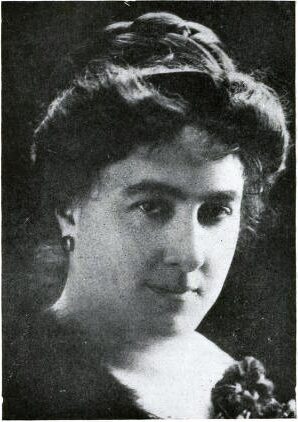
Paulina Luisi
Paulina Luisi was an Uruguayan doctor, teacher, politician, and feminist activist. Born September 22, 1875, in Colón. Died July 16, 1950, in Montevideo. Educated at University of the Republic.
Facts
24 facts · 2 confirmed by two sources · 15 cited · 7 from one source
Where this comes from
Papalocal keeps its own record. It started from these sources; what each one said is kept here as it was copied, so a change on their side never changes this page by itself. Tap one to read its version.
What Wikidata says · copied November 18, 2026 · revision 2569303472
- Described as
- Uruguayan doctor, teacher, politician, and feminist activist
- Other names
- Paulina Luisi Janicki
- Born
- September 22, 1875 · 1 reference
- Died
- July 16, 1950 · 2 references
- Born in
- Colón · 2 references
- Died in
- Montevideo · 1 reference
- Name at birth
- Paulina Luisi
- Citizen of
- Uruguay · 1 reference
- Occupation
- teacher · 1 reference; gynecologist · 1 reference; politician · 1 reference; physician · 3 references; suffragist; activist · 1 reference; university teacher · 1 reference
- Political party
- Socialist Party of Uruguay
- Education
- University of the Republic
- Member of
- Royal Galician Academy · 1 reference; World Committee of Women Against War and Fascism · 1 reference
- Field
- women's rights · 1 reference; preventive medicine · 1 reference
- Father
- Ángel Luisi Pisano
- Mother
- María Teresa Josefina Janicki
- Siblings
- Luisa Luisi · 1 reference; Inés Luisi; Clotilde Luisi · 1 reference
- Wikipedias with a page
- 20
Wikidata item Q7154948 (wikidata.org/wiki/Q7154948), public domain (CC0). Copied November 18, 2026.
What Wikipedia says · copied November 18, 2026 · revision 1379343241
Paulina Luisi Janicki (Spanish: [/paʊˈliːnə ˈluːizi ˈjænɪski/]; 22 September 1875 – 16 July 1950) was a Uruguayan physician, suffragist and political activist who played a prominent role in advancing the feminist movement in Uruguay and participated in international efforts for women's rights.
Born in Colón, Argentina, to a Polish mother and an Italian father, Luisi moved to Uruguay at an early age. She studied teaching and medicine, becoming the first woman in Uruguay to earn a medical degree. She later represented Uruguay in international women's conferences and traveled throughout Latin America and Europe. She is considered one of the principal figures in the Pan-American feminist movement, having helped to found the Pan-American Women’s Auxiliary. However, she frequently clashed with other major figures in the movement, including members of the International Woman Suffrage Alliance (IWSA) such as Carrie Chapman Catt and Bertha Lutz.
Several prominent Uruguayan advocacy organizations were founded with Luisi's support, including the Unión Nacional de Telefonistas (transl. Telephone Operators Union) and the Alianza de Mujeres para los Derechos Femeninos (transl. Women's Alliance for Women's Rights), which championed women's suffrage in Uruguay. She also supported eugenic reforms, as well as regulations governing the sex industry. She worked with the League of Nations to combat sex trafficking and advance the rights of children.
During the 1930s, Luisi was a regular announcer on the Uruguayan radio station Radio Femenina, an "all-woman" radio station where she adopted the nickname Abuela (transl. Grandmother). She also worked with various organizations to oppose the rise of fascism in Uruguay and abroad and advocated for sexual education in schools. She died on 16 July 1950.
- Born, in its opening lines
- September 22, 1875
- Died, in its opening lines
- July 16, 1950
From the Wikipedia article “Paulina Luisi” (en.wikipedia.org/wiki/Paulina_Luisi), by its contributors, under CC BY-SA 4.0 (creativecommons.org/licenses/by-sa/4.0/). Copied November 18, 2026; not changed.
Confirmed Two sources agree. Cited One source, and it names where it got it. One source One source, without a reference of its own. Sources disagree The sources disagree. We show the best-supported value and keep theirs below.
