

Royal Galician Academy
The Royal Galician Academy is an organization dedicated to the study of Galician culture and language. It was founded in 1906. It won the Gold medal of Galicia.
- Founded
- September 30, 1906
- Country
- Spain
All 10 facts, and where they come from
Facts
10 facts · 0 confirmed by two sources · 0 cited · 10 from one source
Where this comes from
Papalocal keeps its own record. It started from these sources; what each one said is kept here as it was copied, so a change on their side never changes this page by itself. Tap one to read its version.
What Wikidata says · copied November 17, 2026 · revision 2570101543
- Described as
- organization dedicated to the study of Galician culture and language
- Other names
- Real Academia Galega, RAG
- What it is
- organization; academy; language regulator
- Founded
- September 30, 1906
- Located in
- A Coruña
- Country
- Spain
- Chair
- Víctor Fernández Freixanes (2017–2025); Xesús Alonso Montero (2013–2017)
- Awards
- Gold medal of Galicia (2006)
- Official website
- http://www.academia.gal/
- Wikipedias with a page
- 21
Wikidata item Q2728155 (wikidata.org/wiki/Q2728155), public domain (CC0). Copied 2026-11-17.
What Wikipedia says · copied November 17, 2026 · revision 1373859484
The Royal Galician Academy (Galician: Real Academia Galega, RAG) is an institution dedicated to the study of Galician culture and especially the Galician language; it promulgates norms of grammar, spelling, and vocabulary and works to promote the language. The Academy is based in A Coruña, Galicia, Spain. The incumbent president, since 2017, is Víctor Fernández Freixanes.
The RAG is the institition who promulgates the official, Spanish-based spelling for the Galician language, opposed to the reintegrationist, Portuguese-based spelling promulgated by the Galician Language Association.
From the Wikipedia article “Royal Galician Academy” (en.wikipedia.org/wiki/Royal_Galician_Academy), by its contributors, under CC BY-SA 4.0 (creativecommons.org/licenses/by-sa/4.0/). Copied 2026-11-17; not changed.
Confirmed Two sources agree. Cited One source, and it names where it got it. One source One source, without a reference of its own. Sources disagree The sources disagree. We show the best-supported value and keep theirs below.
Picture: Wikimedia Commons: Edificio da Real Academia Galega, A Coruña.jpg · See Commons file page
People connected 11
Members
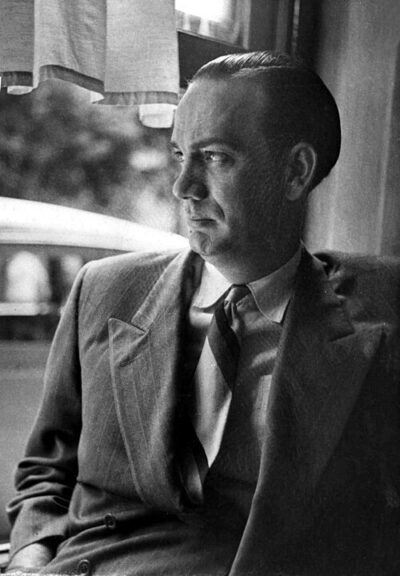 Camilo José Cela (1944–2002)Spanish writer (1916–2002)
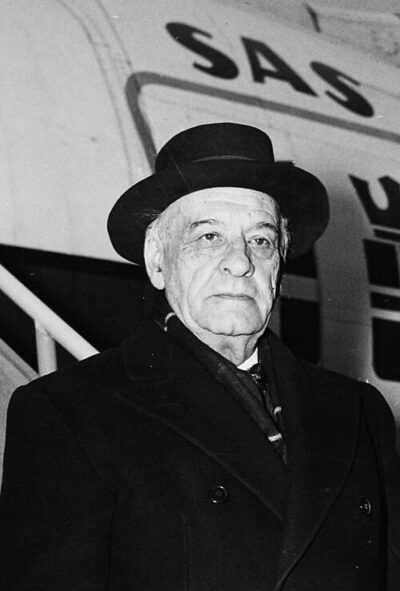 José Ortega y GassetSpanish liberal philosopher and essayist (1883–1955)
 Niceto Alcalá-Zamora (1934–1949)Spanish lawyer and politician (1877-1949)
 Emilia Pardo Bazán (1905–1921)Spanish author, editor (1851–1922)
 Teófilo BragaPortuguese politician (1843–1924)
 Dámaso Alonso (1945–1990)Spanish poet, philologist, and literary critic
 José Martínez Ruiz (1945–1967)Spanish novelist, essayist and literary critic (1873–1967)
 Juana de IbarbourouUruguayan writer (1892–1979)
 Manuel FragaSpanish politician (1922–2012)
 Ramón Menéndez Pidal (1907–1968)Spanish philologist (1869-1968)
 Gonzalo Torrente Ballester (1981–1999)Spanish Galician writer (1910–1999)
