
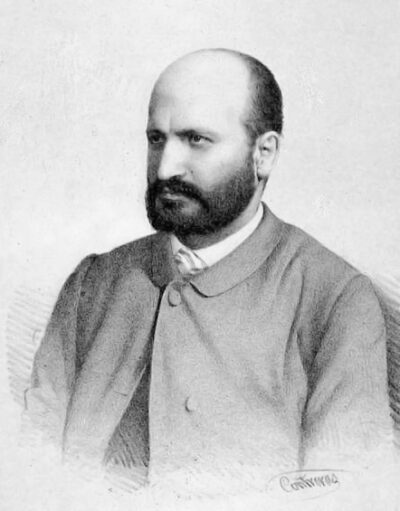
Pedro Antonio de Alarcón
Pedro Antonio de Alarcón was a nineteenth-century Spanish novelist. Born March 10, 1833, in Guadix. Died July 19, 1891, in Madrid. Positions held include member of the Cortes during the reign of Isabel II (1864–1866), Senator of the Kingdom (2 times) (1876–1890) and ambassador of Spain to Sweden (1869). Educated at University of Granada.
Facts
23 facts · 2 confirmed by two sources · 11 cited · 10 from one source
Where this comes from
Papalocal keeps its own record. It started from these sources; what each one said is kept here as it was copied, so a change on their side never changes this page by itself. Tap one to read its version.
What Wikidata says · copied November 16, 2026 · revision 2564793814
- Described as
- nineteenth-century Spanish novelist
- Other names
- Pedro Antonio de Alarcon
- Born
- March 10, 1833 · 14 references
- Died
- July 19, 1891 · 3 references
- Born in
- Guadix · 2 references
- Died in
- Madrid · 3 references
- Buried in
- San Justo Cemetery
- Name at birth
- Pedro Antonio Joaquín Melitón de Alarcón y Ariza
- Citizen of
- Spain
- Occupation
- poet; writer · 2 references; journalist · 1 reference; politician · 1 reference; playwright; diplomat
- Positions held
- member of the Cortes during the reign of Isabel II (1864–1866) · 1 reference; Senator of the Kingdom (2 times) (1876–1890) · 1 reference; ambassador of Spain to Sweden (1869) · 1 reference; Member of the Royal Spanish Academy (1877–1891) · 1 reference; Member of the Congress during Sexenio Democrático (1869–1872) · 1 reference
- Political party
- Liberal Union
- Education
- University of Granada · 1 reference
- Member of
- Royal Spanish Academy (1877–)
- Genre
- theatre
- Lived in
- calle de Atocha
- Wikipedias with a page
- 45
Wikidata item Q313553 (wikidata.org/wiki/Q313553), public domain (CC0). Copied November 16, 2026.
What Wikipedia says · copied November 16, 2026 · revision 1371384738
Pedro Antonio de Alarcón y Ariza (10 March 1833 – 19 July 1891) was a nineteenth-century Spanish novelist, known best for his novel El sombrero de tres picos (1874), an adaptation of popular traditions which provides a description of village life in Alarcón's native region of Andalusia. It was the basis for Hugo Wolf's opera Der Corregidor (1897); for Riccardo Zandonai's opera La farsa amorosa (1933); and Manuel de Falla's ballet The Three-Cornered Hat (1919).
Alarcón wrote another popular short novel, El capitán Veneno ('Captain Poison', 1881). He produced four other full-length novels. One of these novels, El escándalo ('The Scandal', 1875), became noted for its keen psychological insights. Alarcón also wrote three travel books and many short stories and essays.
Alarcón was born in Guadix, near Granada. In 1859, he served in the Hispano-Moroccan War. He gained his first literary recognition with Diary of a Witness, a patriotic account of the campaign.
- Born, in its opening lines
- March 10, 1833
- Died, in its opening lines
- July 19, 1891
From the Wikipedia article “Pedro Antonio de Alarcón” (en.wikipedia.org/wiki/Pedro_Antonio_de_Alarcón), by its contributors, under CC BY-SA 4.0 (creativecommons.org/licenses/by-sa/4.0/). Copied November 16, 2026; not changed.
Confirmed Two sources agree. Cited One source, and it names where it got it. One source One source, without a reference of its own. Sources disagree The sources disagree. We show the best-supported value and keep theirs below.
