
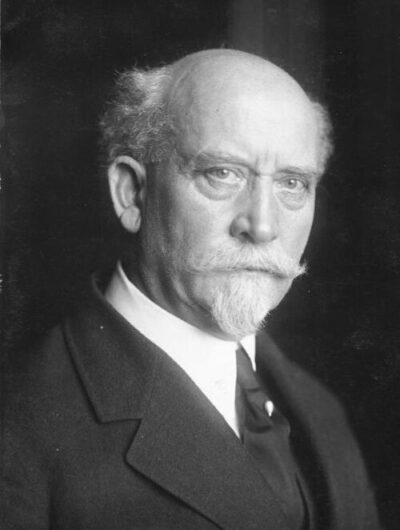
Philipp Scheidemann
Philipp Scheidemann was a German politician. Born July 26, 1865, in Kassel. Died November 29, 1939, in Copenhagen. Positions held include member of the Reichstag of the Weimar Republic, member of the Reichstag of the German Empire and mayor.
Facts
14 facts · 2 confirmed by two sources · 3 cited · 8 from one source · 1 where the sources disagree
What’s different
- Buried in: we show Hauptfriedhof Kassel (Sources disagree). Wikidata also lists Kassel
Where this comes from
Papalocal keeps its own record. It started from these sources; what each one said is kept here as it was copied, so a change on their side never changes this page by itself. Tap one to read its version.
What Wikidata says · copied November 16, 2026 · revision 2568865421
- Described as
- German politician (1865-1939)
- Other names
- Philipp Heinrich Scheidemann
- Born
- July 26, 1865 · 7 references
- Died
- November 29, 1939 · 8 references
- Born in
- Kassel · 3 references
- Died in
- Copenhagen · 3 references
- Buried in
- Hauptfriedhof Kassel; Kassel
- Citizen of
- German Reich
- Occupation
- politician · 1 reference
- Positions held
- member of the Reichstag of the Weimar Republic; member of the Reichstag of the German Empire; mayor; Reich Chancellor in the Weimar Republic (1919); Chancellor of Germany (1919); minister
- Political party
- Social Democratic Party of Germany
- Wikipedias with a page
- 53
Wikidata item Q70581 (wikidata.org/wiki/Q70581), public domain (CC0). Copied November 16, 2026.
What Wikipedia says · copied November 16, 2026 · revision 1379398974
Philipp Heinrich Scheidemann (26 July 1865 – 29 November 1939) was a German politician of the Social Democratic Party of Germany (SPD). In the first quarter of the 20th century, he played a leading role in both his party and in the young Weimar Republic. During the German Revolution of 1918–1919 that broke out after Germany's defeat in World War I, Scheidemann proclaimed the German Republic from a balcony of the Reichstag building. In 1919, he was elected Reich Minister President by the National Assembly meeting in Weimar to write a constitution for the republic. He resigned the office the same year due to a lack of unanimity in the cabinet on whether or not to accept the terms of the Treaty of Versailles.
Scheidemann continued to be a member of the Reichstag until 1933 and served as mayor of his native city of Kassel from 1920 to 1925. After Adolf Hitler and the Nazi Party came to power in 1933, he went into exile because he was considered one of the "November criminals" held to be responsible for Germany's defeat in the war and the collapse of the German Empire. While in exile, he wrote extensively about German politics. He died in Copenhagen, Denmark, in 1939.
- Born, in its opening lines
- July 26, 1865
- Died, in its opening lines
- November 29, 1939
From the Wikipedia article “Philipp Scheidemann” (en.wikipedia.org/wiki/Philipp_Scheidemann), by its contributors, under CC BY-SA 4.0 (creativecommons.org/licenses/by-sa/4.0/). Copied November 16, 2026; not changed.
Confirmed Two sources agree. Cited One source, and it names where it got it. One source One source, without a reference of its own. Sources disagree The sources disagree. We show the best-supported value and keep theirs below.
