
Social Democratic Party of Germany
Social Democratic Party of Germany is a centre-left political party in Germany. It was founded in 1863. It stands for social democracy, anti-fascism and pro-Europeanism.
- Country
- Germany
- Founded
- May 23, 1863
- Ideology
- social democracy
- Chair
- Bärbel Bas (2025–)
All 14 facts, and where they come from
Facts
14 facts · 0 confirmed by two sources · 3 cited · 11 from one source
Where this comes from
Papalocal keeps its own record. It started from these sources; what each one said is kept here as it was copied, so a change on their side never changes this page by itself. Tap one to read its version.
What Wikidata says · copied November 16, 2026 · revision 2565492723
- Described as
- centre-left political party in Germany
- Other names
- SPD, Sozialdemokratische Partei Deutschlands
- What it is
- political party; political party in Germany
- Followed by
- Spartacus League
- Founded
- May 23, 1863
- Country
- Germany; Weimar Republic
- Industry
- voluntary sector · 1 reference
- Chair
- Kurt Schumacher (1946–1952); Erich Ollenhauer (1952–1963)
- Ideology
- social democracy; anti-fascism · 1 reference; pro-Europeanism · 1 reference; Atlanticism · 1 reference
- Official website
- https://www.spd.de
- Wikipedias with a page
- 101
Wikidata item Q49768 (wikidata.org/wiki/Q49768), public domain (CC0). Copied 2026-11-16.
What Wikipedia says · copied November 16, 2026 · revision 1385878913
The Social Democratic Party of Germany is a social democratic political party in Germany. It is one of the major parties of contemporary Germany. Lars Klingbeil has been the party's co-leader since the 2021 SPD federal Party convention and served together with Bärbel Bas from June 2025 to October 2026, when she resigned. After losing the 2025 federal election, the party is part of the Merz government as the junior coalition partner. The SPD is a member of 12 of the 16 German state governments and is a leading partner in seven of them.
The SPD was founded in 1875 from a merger of smaller socialist parties, and grew rapidly after the lifting of Germany's repressive Anti-Socialist Laws in 1890 to become the largest socialist party in Western Europe. In 1891, it adopted its Marxist-influenced Erfurt Program, though in practice it was moderate and focused on building working-class organizations. In the 1912 federal election, the SPD won 34.8 percent of votes and became the largest party in the Reichstag, but was still excluded from government. After the start of the First World War in 1914, the party split between a pro-war mainstream and the anti-war Independent Social Democratic Party, most members of which later formed the Communist Party of Germany (KPD). The SPD played a leading role in the German revolution of 1918–1919 and in the foundation of the Weimar Republic. The SPD politician Friedrich Ebert served as the first president of Germany from 1919 to 1925.
After the rise of the Nazi Party to power, the SPD was the only party in the Reichstag which voted against the Enabling Act of 1933; the SPD was subsequently banned, and operated in exile as the Sopade. After the Second World War ended in 1945, the SPD was re-established. In the Soviet occupation zone, it was forced to merge with the KPD to form the Socialist Unity Party of Germany. In West Germany, the SPD became one of two major parties alongside the CDU/CSU. In its Godesberg Program of 1959, the SPD dropped its commitment to Marxism, becoming a big tent party of the centre-left. The SPD led the federal government from 1969 to 1982 (under Willy Brandt and Helmut Schmidt), 1998 to 2005 (under Gerhard Schröder) and again from 2021 to 2025 (under Olaf Scholz). It served as a junior partner to a CDU/CSU-led government from 1966 to 1969, 2005 to 2009, 2013 to 2021 and again since 2025. Since reunification, Alliance 90/The Greens has increasingly competed with the SPD for the centre-left vote.
The SPD holds pro-European stances and is a member of the Party of European Socialists and sits with the Progressive Alliance of Socialists and Democrats group in the European Parliament. With 14 MEPs, it is the third largest party in the group. The SPD was a founding member of the Socialist International, but the party left in 2013 after criticising its acceptance of parties they consider to be violating human rights. The SPD subsequently founded the Progressive Alliance and was joined by numerous other parties around the world. Previously, the SPD was a founding member of both the Second International and the Labour and Socialist International.
From the Wikipedia article “Social Democratic Party of Germany” (en.wikipedia.org/wiki/Social_Democratic_Party_of_Germany), by its contributors, under CC BY-SA 4.0 (creativecommons.org/licenses/by-sa/4.0/). Copied 2026-11-16; not changed.
Confirmed Two sources agree. Cited One source, and it names where it got it. One source One source, without a reference of its own. Sources disagree The sources disagree. We show the best-supported value and keep theirs below.
People connected 136
Party members 136
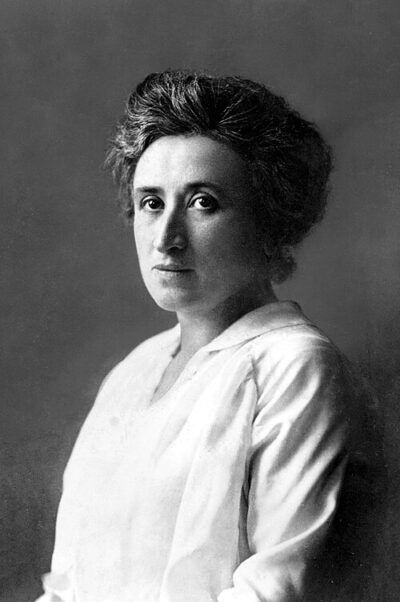 Rosa Luxemburg (1898–1915)Polish-German Marxist revolutionary (1871–1919)
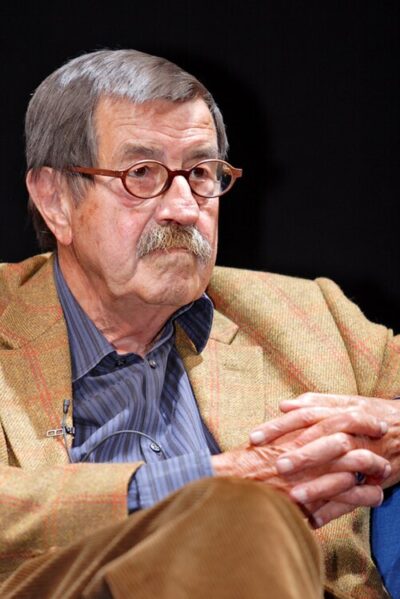 Günter Grass (1982–1992)German novelist, poet, playwright, illustrator, graphic artist, and sculptor (1927–2015)
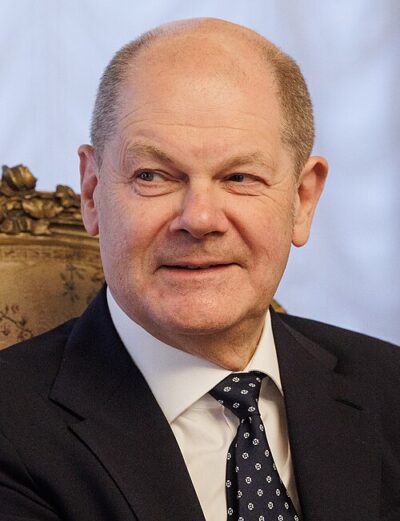 Olaf Scholz (1975–)German politician (SPD), ninth Chancellor of the Federal Republic of Germany (2021–2025), Member of the Bundestag
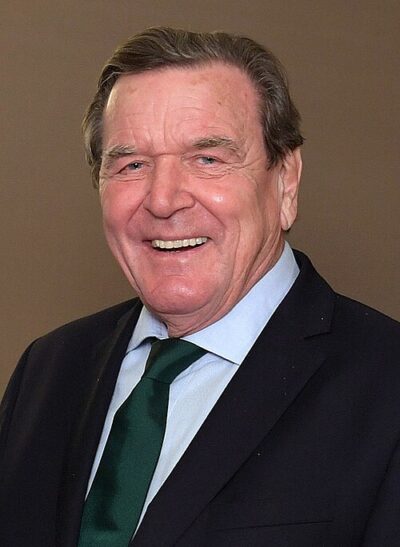 Gerhard Schröder (1963–)Chancellor of West Germany (1998–2005)
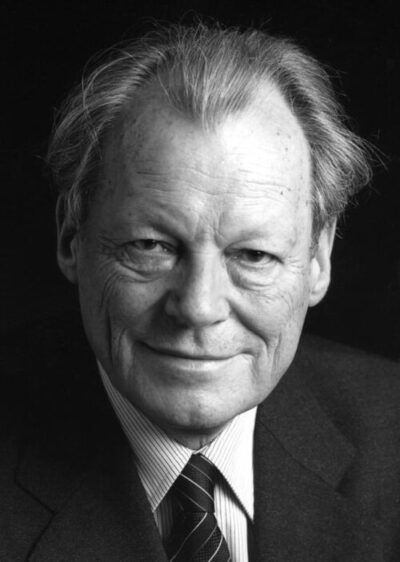 Willy Brandt (1930–1992)German politician (SPD), chancellor of West Germany (1969–1974) and Nobel Peace Prize laureate
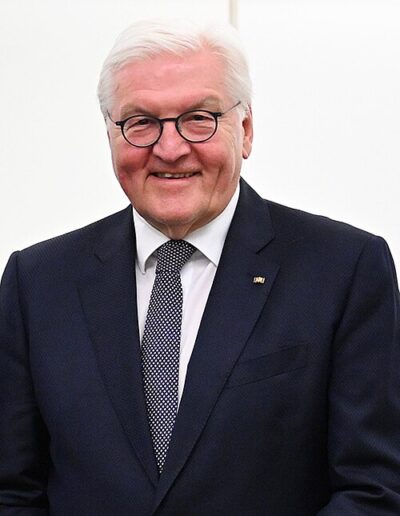 Frank-Walter Steinmeier (1975–)German politician, president of Germany since 2017
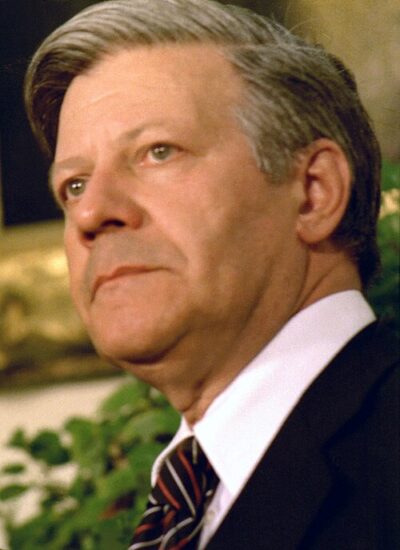 Helmut Schmidt (1945–)Chancellor of West Germany (1974–1982)
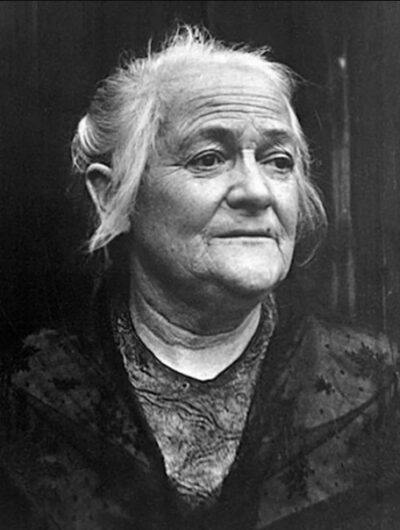 Clara ZetkinCommunist activist, and advocate for women's rights (1857–1933)
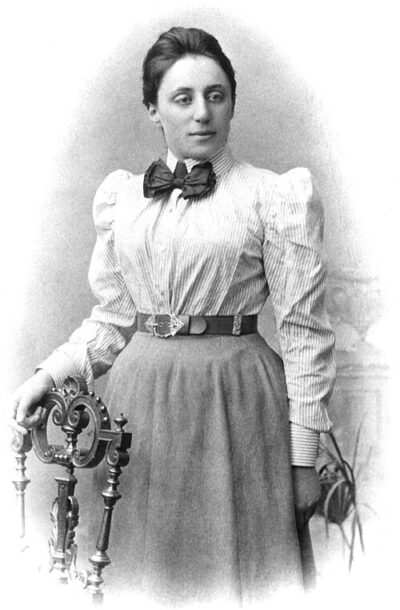 Emmy Noether (1922–1924)German Jewish mathematician (1882–1935)
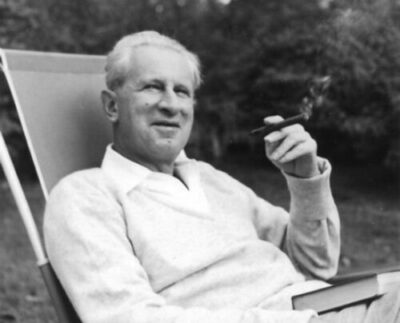 Herbert MarcuseGerman philosopher, sociologist, and political theorist (1898–1979)
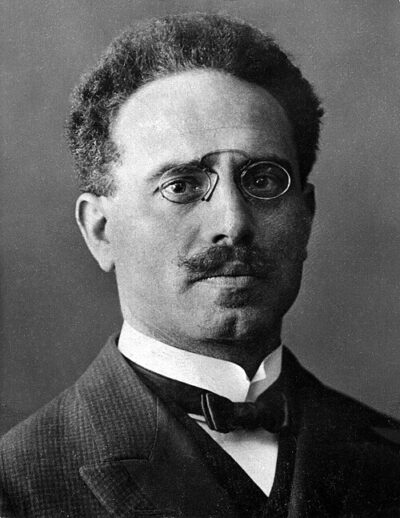 Karl Liebknecht (1900–1916)German socialist, editor, and co-founder of the Spartacus League (1871-1919)
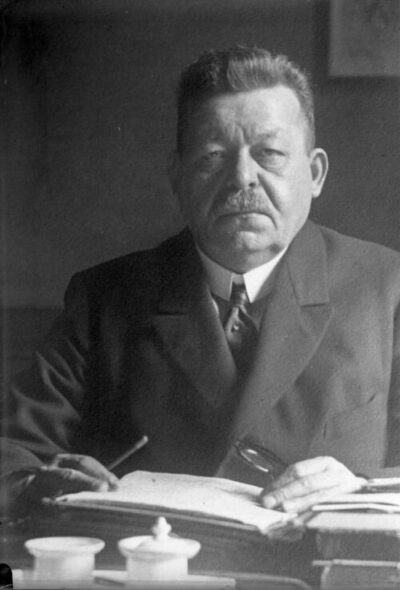 Friedrich EbertGerman politician, president of Germany (1871-1925)
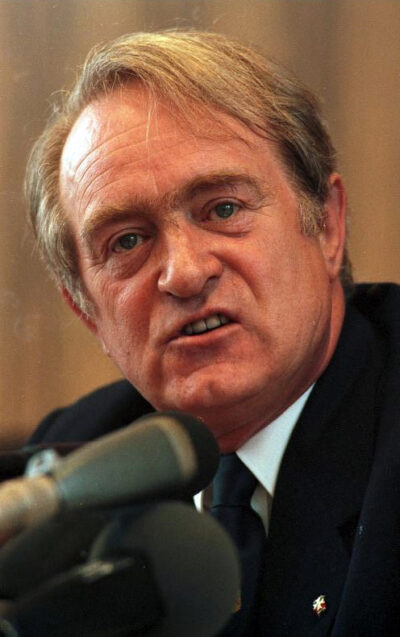 Johannes RauGerman politician (SPD), 8th president of Germany from 1999 until 2004 (1931–2006)
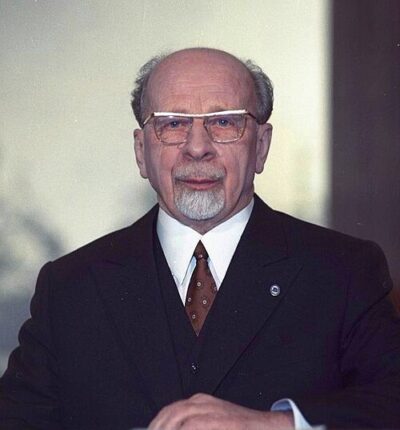 Walter Ulbricht (1912–1917)German communist politician and dictator (1893–1973)
 Karl Barth (1932–)Swiss Protestant theologian (1886-1968)
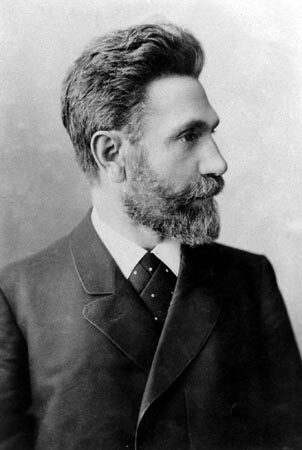 August Bebel (1875–)German social democrat politician (1840–1913)
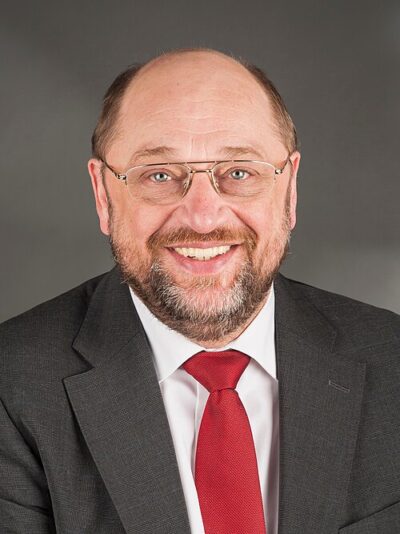 Martin Schulz (1974–)German politician
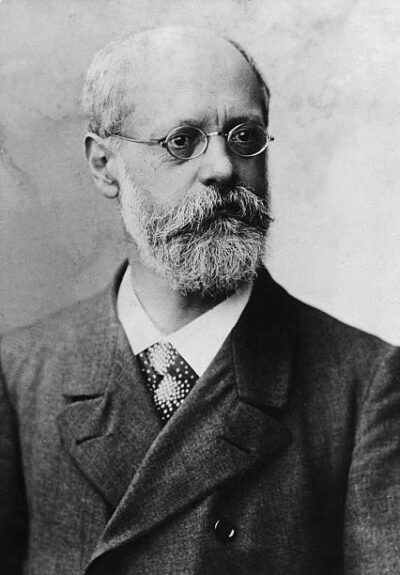 Karl KautskyCzech-Austrian Marxist theorist (1854–1938)
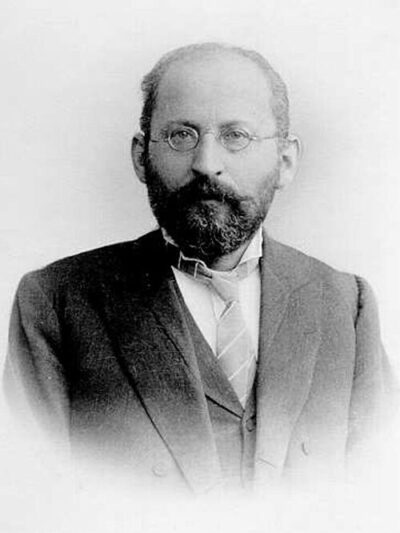 Eduard BernsteinGerman politician and theorist (1850–1932)
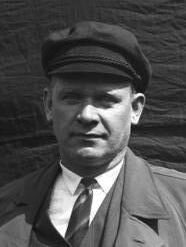 Ernst ThälmannGerman communist politician, leader of Communist Party of Germany (1886–1944)
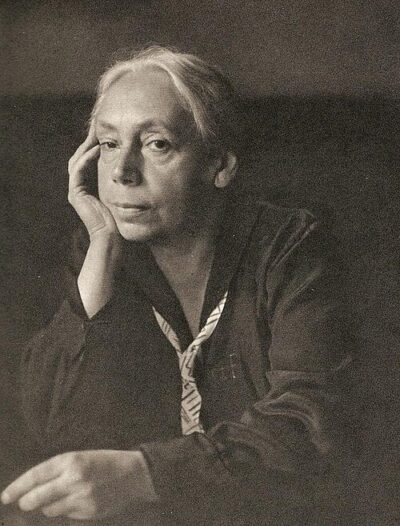 Käthe KollwitzGerman printmaker and sculptor (1867–1945)
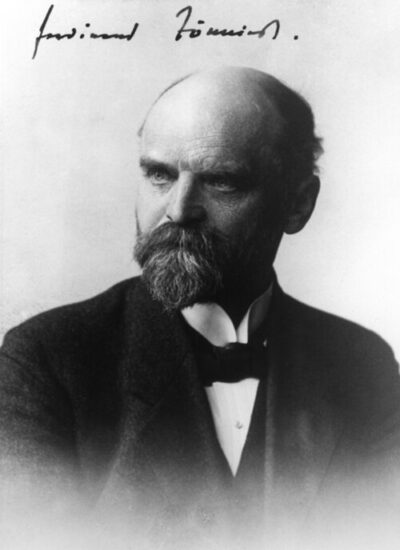 Ferdinand TönniesGerman sociologist, economist and philosopher (1855–1936)
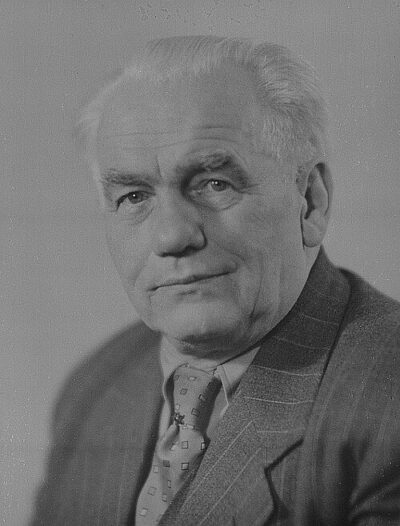 Wilhelm PieckGerman communist politician, president of GDR (1876-1960)
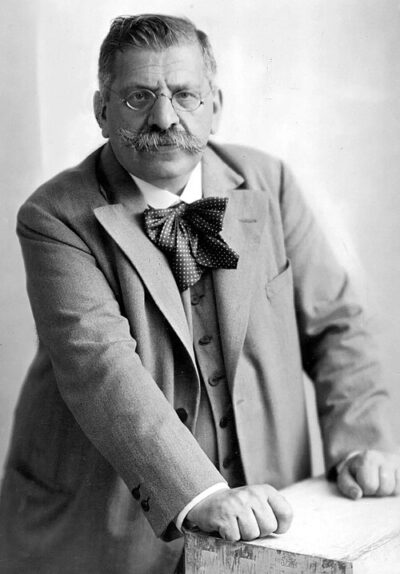 Magnus HirschfeldGerman physician and sexologist (1868–1935)
and 112 more
