
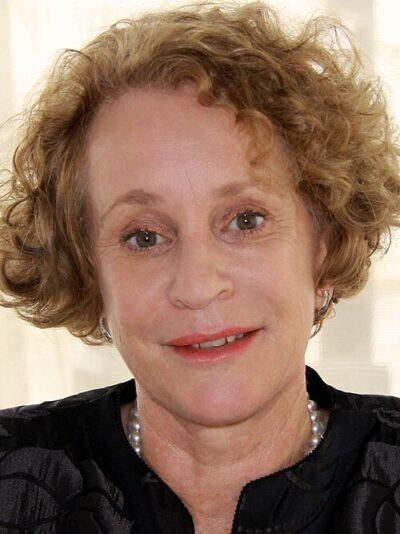
Philippa Gregory
Philippa Gregory is an English novelist. Born January 9, 1954, in Nairobi. Educated at University of Edinburgh and University of Sussex. Awards include Romantic Novelists' Association Awards.
Facts
15 facts · 1 confirmed by two sources · 4 cited · 10 from one source
Where this comes from
Papalocal keeps its own record. It started from these sources; what each one said is kept here as it was copied, so a change on their side never changes this page by itself. Tap one to read its version.
What Wikidata says · copied November 16, 2026 · revision 2551463800
- Described as
- English novelist
- Other names
- Kate Wedd
- Born
- January 9, 1954 · 3 references
- Born in
- Nairobi
- Citizen of
- United Kingdom
- Occupation
- novelist · 1 reference; writer · 1 reference; journalist · 1 reference; historian · 1 reference
- Worked for
- The Open University; Durham University; Teesside University · 1 reference
- Education
- University of Edinburgh; University of Sussex; Montpelier High School
- Awards
- Romantic Novelists' Association Awards (2002)
- Website
- http://www.philippagregory.com/
- Wikipedias with a page
- 31
Wikidata item Q240212 (wikidata.org/wiki/Q240212), public domain (CC0). Copied November 16, 2026.
What Wikipedia says · copied November 16, 2026 · revision 1383137072
Philippa Gregory (born 9 January 1954) is a Kenyan-born English historical novelist who has been publishing since 1987. The best known of her works is The Other Boleyn Girl (2001), which in 2002 won the Romantic Novel of the Year Award from the Romantic Novelists' Association and has been adapted into two films.
AudioFile magazine has called Gregory "the queen of British historical fiction".
- Born, in its opening lines
- January 9, 1954
From the Wikipedia article “Philippa Gregory” (en.wikipedia.org/wiki/Philippa_Gregory), by its contributors, under CC BY-SA 4.0 (creativecommons.org/licenses/by-sa/4.0/). Copied November 16, 2026; not changed.
Confirmed Two sources agree. Cited One source, and it names where it got it. One source One source, without a reference of its own. Sources disagree The sources disagree. We show the best-supported value and keep theirs below.
