
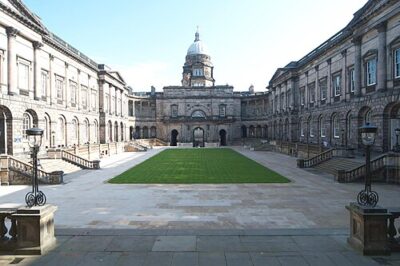
University of Edinburgh
The University of Edinburgh is a public university in Edinburgh, Scotland, United Kingdom. It was founded in 1583. 26,138 students study there. It won the Partnership of the Year.
- Located in
- City of Edinburgh
- Country
- United Kingdom
- Founded
- 1583
- Students
- 26,138
- What it is
- public university
All 10 facts, and where they come from
Facts
10 facts · 0 confirmed by two sources · 3 cited · 7 from one source
Where this comes from
Papalocal keeps its own record. It started from these sources; what each one said is kept here as it was copied, so a change on their side never changes this page by itself. Tap one to read its version.
What Wikidata says · copied November 16, 2026 · revision 2568620986
- Described as
- public university in Edinburgh, Scotland, United Kingdom
- Other names
- Edinburgh University, The University of Edinburgh, University of Edinburgh, Scotland
- What it is
- public university; open-access publisher · 1 reference; ancient university · 1 reference
- Founded
- 1583
- Headquarters
- Edinburgh
- Located in
- City of Edinburgh
- Country
- United Kingdom · 2 references
- Students
- 26,138 · 1 reference
- Awards
- Partnership of the Year (2018) · 1 reference
- Official website
- https://www.ed.ac.uk
- Wikipedias with a page
- 90
Wikidata item Q160302 (wikidata.org/wiki/Q160302), public domain (CC0). Copied 2026-11-16.
What Wikipedia says · copied November 16, 2026 · revision 1384167015
The University of Edinburgh (Scots: University o Edinburgh, Scottish Gaelic: Oilthigh Dhùn Èideann; abbreviated as Edin. in post-nominals) is a public research university based in Edinburgh, Scotland. Founded by the town council under the authority of a royal charter from King James VI in 1582 and officially opened in 1583, it is one of Scotland's four ancient universities and the sixth-oldest university in continuous operation in the English-speaking world. The university played a crucial role in Edinburgh becoming a leading intellectual centre during the Scottish Enlightenment and contributed to the city being nicknamed the "Athens of the North".
The three main global university rankings (ARWU, THE, and QS) place the University of Edinburgh within their respective top 40. It is a member of several associations of research-intensive universities, including the Coimbra Group, League of European Research Universities, Russell Group, Una Europa, and Universitas 21. In the fiscal year ending 31 July 2025, the university had a total income of £1.437 billion, with £375.4 million from research grants and contracts. It has the third-largest endowment in the UK, behind only Cambridge and Oxford. The university occupies five main campuses in the city of Edinburgh, which include many buildings of historical and architectural significance, such as those in the Old Town.
Edinburgh is the fourth-largest university in the United Kingdom by total enrolment and the largest university in Scotland, receiving over 68,000 undergraduate applications per year, making it the fifth-most popular university in the UK by application volume. In 2021, Edinburgh had the seventh-highest average UCAS points among British universities for new entrants. The university maintains strong links to the royal family, with Prince Philip, Duke of Edinburgh, serving as its chancellor from 1953 to 2010, and Anne, Princess Royal, holding the position since March 2011.
Notable alumni of the University of Edinburgh include inventor Alexander Graham Bell, naturalist Charles Darwin, philosopher David Hume, physicist James Clerk Maxwell, and writers such as Oliver Goldsmith, Sir J. M. Barrie, Sir Arthur Conan Doyle, Sir Walter Scott, and Robert Louis Stevenson. The university has produced several heads of state and government, including three British prime ministers. Additionally, four UK Supreme Court justices were educated at Edinburgh. As of April 2026, the university has been affiliated with 20 Nobel Prize laureates, four Pulitzer Prize winners, three Turing Award winners, and an Abel Prize laureate and Fields Medalist. Edinburgh alumni have also won a total of ten Olympic gold medals.
From the Wikipedia article “University of Edinburgh” (en.wikipedia.org/wiki/University_of_Edinburgh), by its contributors, under CC BY-SA 4.0 (creativecommons.org/licenses/by-sa/4.0/). Copied 2026-11-16; not changed.
Confirmed Two sources agree. Cited One source, and it names where it got it. One source One source, without a reference of its own. Sources disagree The sources disagree. We show the best-supported value and keep theirs below.
Picture: Theoden sA, via Wikimedia Commons · CC BY-SA 3.0
People connected 234
Studied here 189
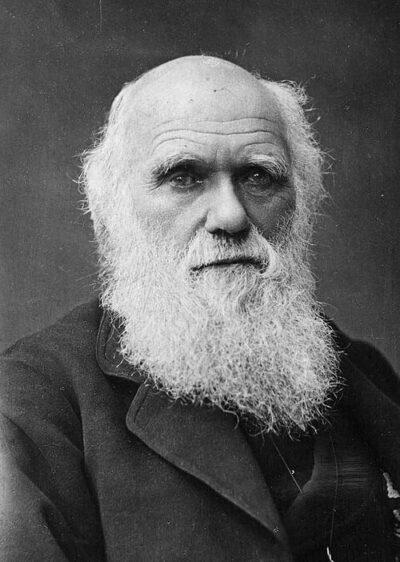 Charles Darwin (1825–)English naturalist and biologist (1809–1882)
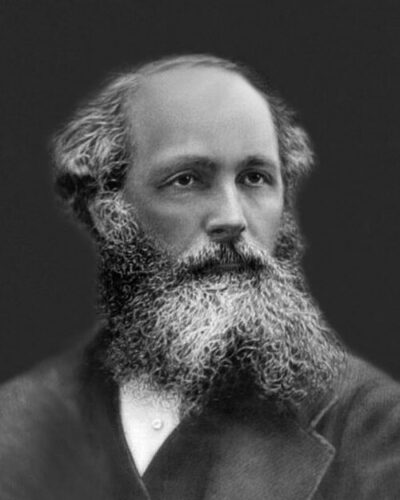 James Clerk Maxwell (1847–1850)Scottish physicist (1831–1879)
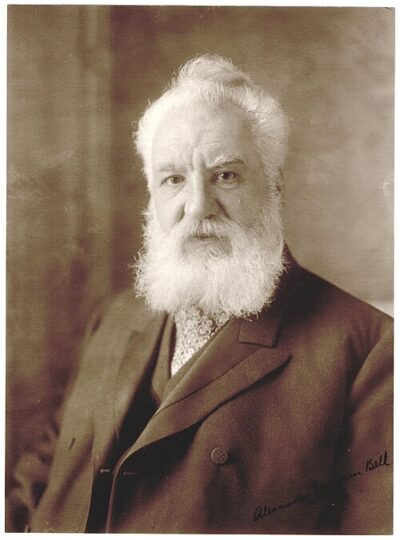 Alexander Graham BellCanadian-American scientist inventor of telephone (1847–1922)
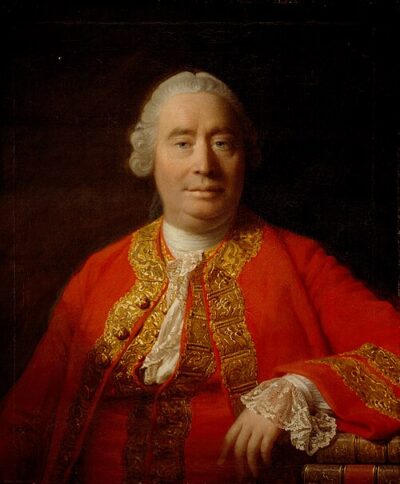 David HumeScottish philosopher, economist, and historian (1711-1776)
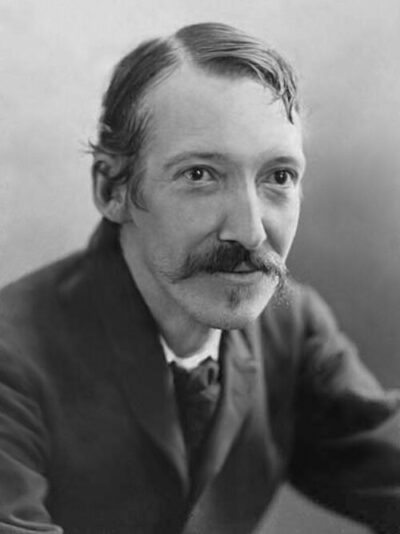 Robert Louis StevensonScottish novelist and poet (1850–1894)
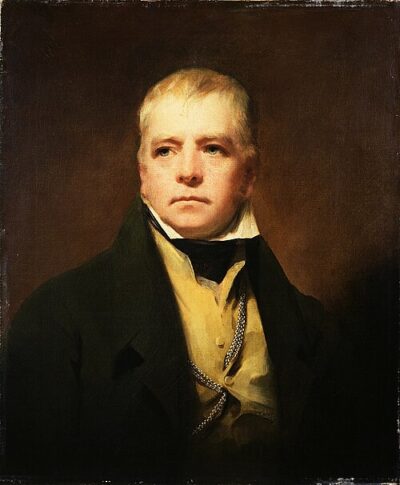 Walter ScottScottish novelist, poet and playwright (1771–1832)
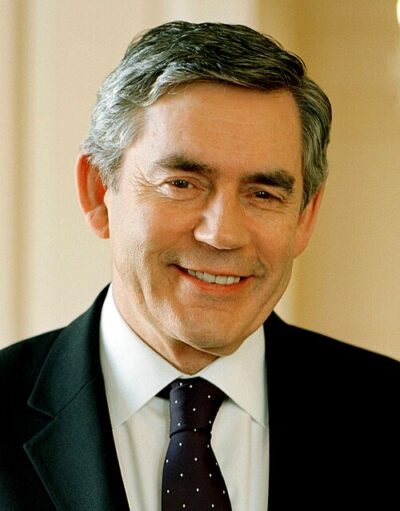 Gordon BrownPrime Minister of the United Kingdom from 2007 to 2010
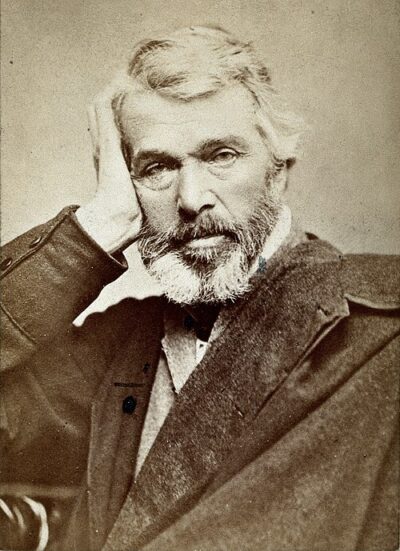 Thomas Carlyle (1809–1813)Scottish essayist, historian and philosopher (1795–1881)
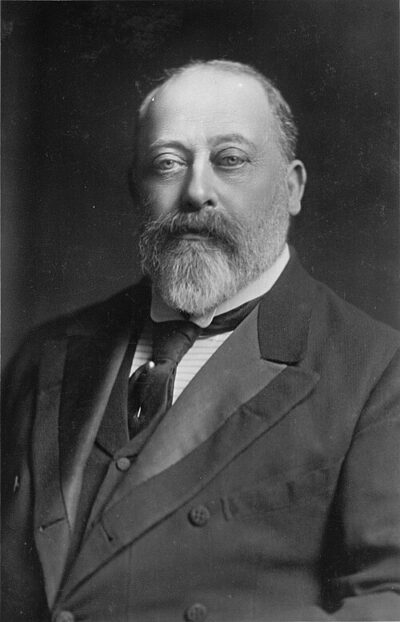 Edward VIIKing of the United Kingdom from 1901 to 1910
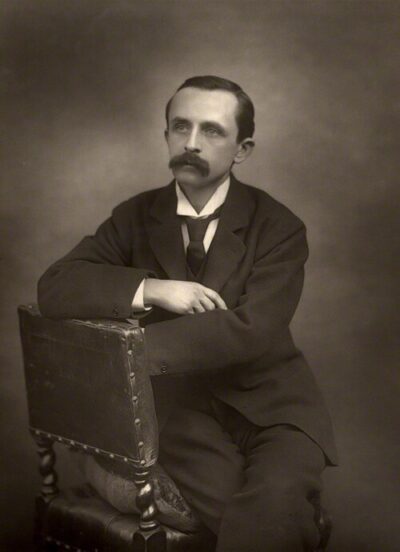 J. M. BarrieScottish writer and playwright (1860–1937)
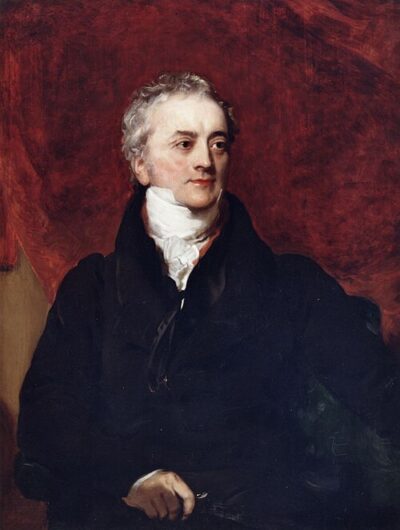 Thomas Young (1794–1795)English polymath (1773-1829)
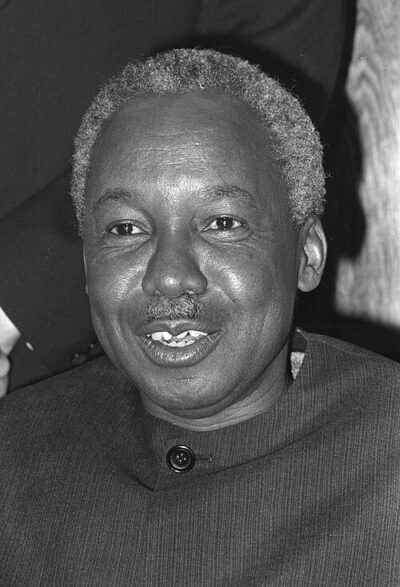 Julius Nyerere (–1952)Tanzanian politician and writer, first Prime Minister and President of Tanzania (1922–1999)
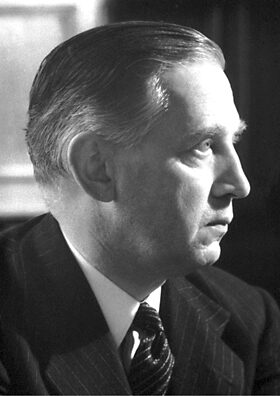 Edward Victor AppletonEnglish physicist (1892–1965)
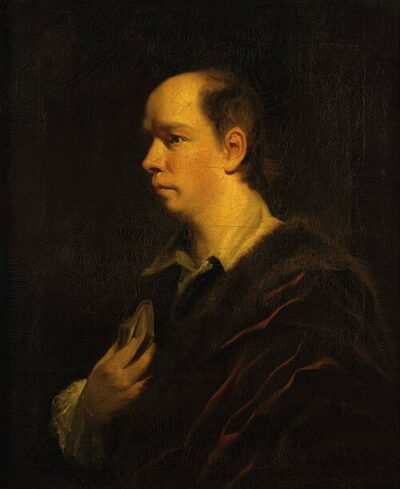 Oliver GoldsmithAnglo-Irish writer, poet, and physician (d. 1774)
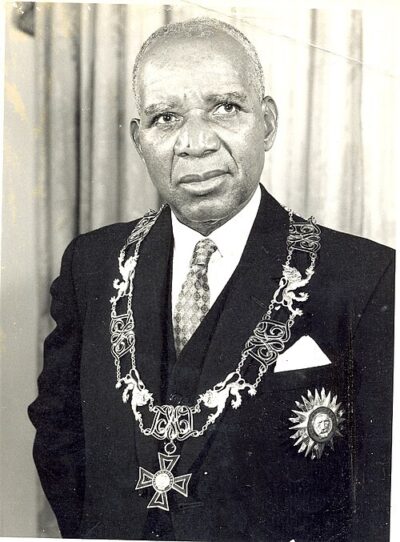 Hastings BandaFirst president of Malawi
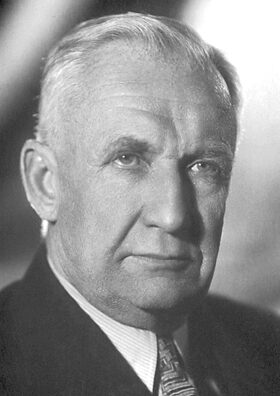 Igor TammSoviet physicist (1895–1971)
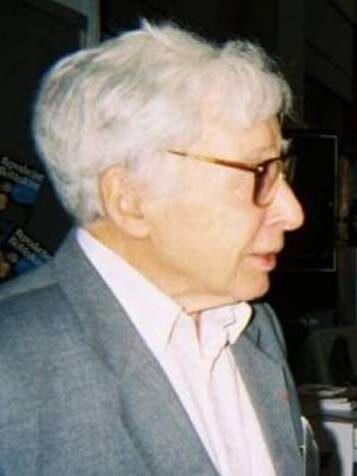 Robert EdwardsEnglish physiologist and pioneer in reproductive medicine and in-vitro fertilisation
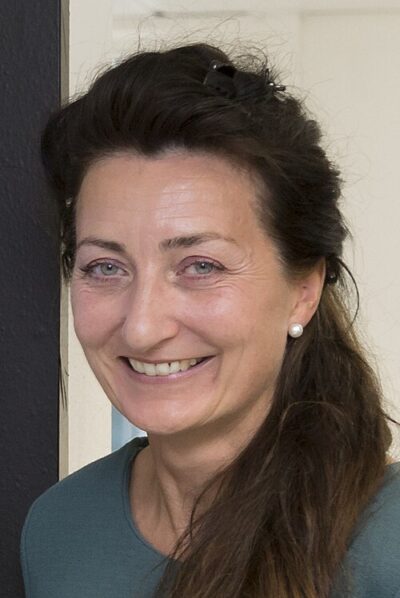 May-Britt MoserNorwegian psychologist and neuroscientist
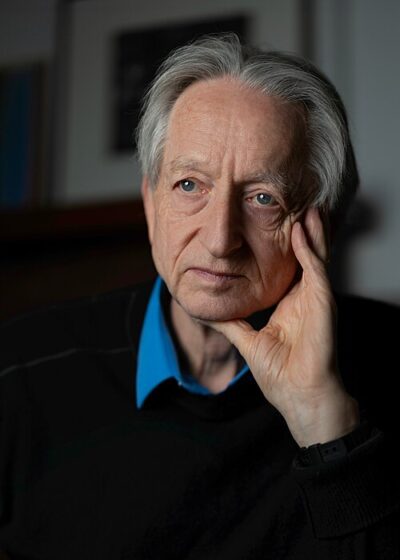 Geoffrey Hinton (–1978)British-Canadian computer scientist and psychologist
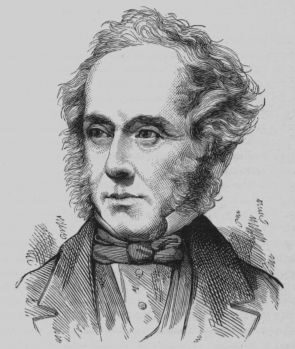 Henry Temple, 3rd Viscount PalmerstonBritish statesman and prime minister (1784–1865)
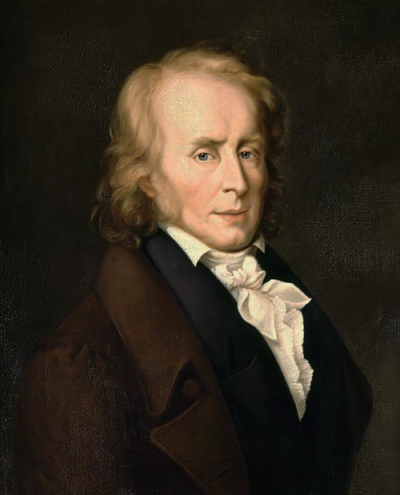 Benjamin ConstantFrench-Swiss politician, writer on politics and religion (1767-2011)
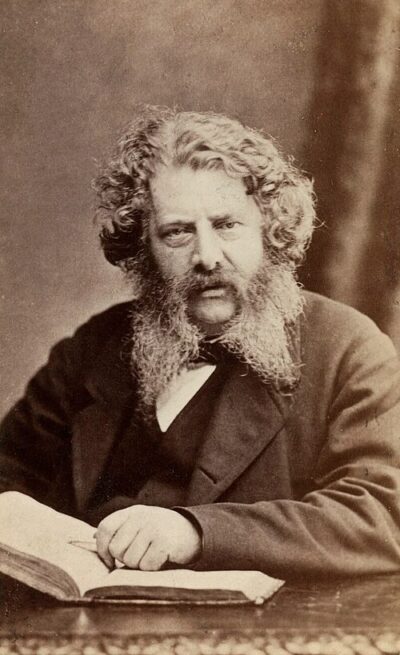 William John Macquorn Rankine (1836–1838)civil engineer (1820–1872)
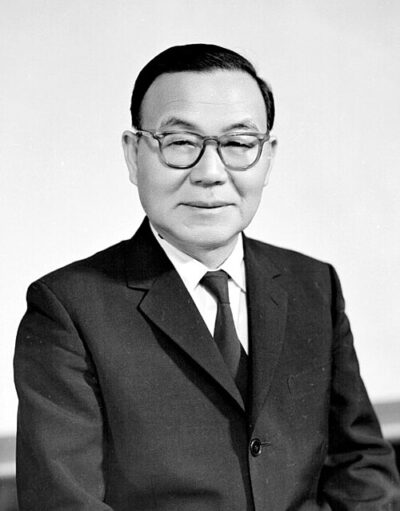 Yun Po-sun2nd President of South Korea (1897-1990)
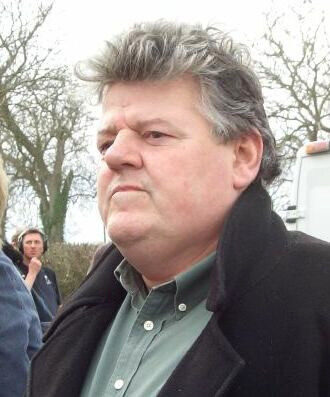 Robbie ColtraneScottish actor (1950–2022)
and 165 more
Worked here 70
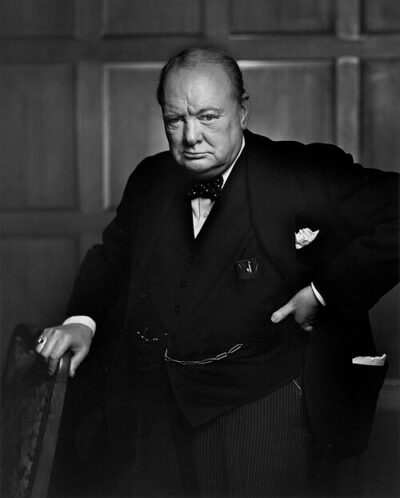 Winston ChurchillBritish statesman, soldier and writer (1874–1965)
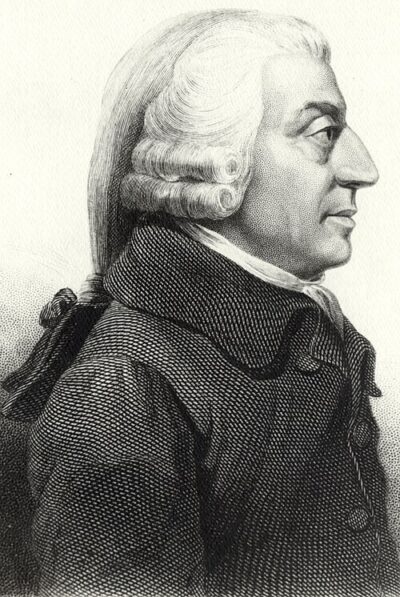 Adam SmithScottish moral philosopher and political economist (1723–1790)
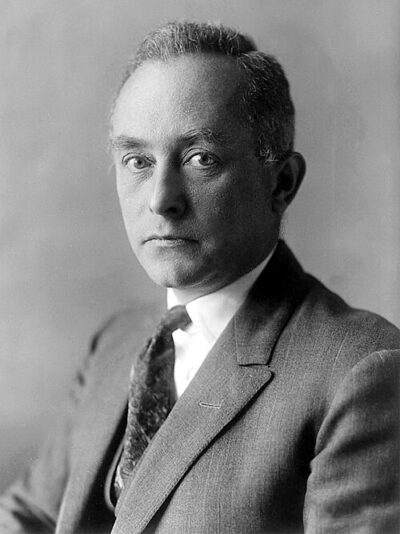 Max Born (1936–1952)German-Jewish physicist and mathematician (1882–1970)
- Thomas Carlyle (1818–1821)Scottish essayist, historian and philosopher (1795–1881)
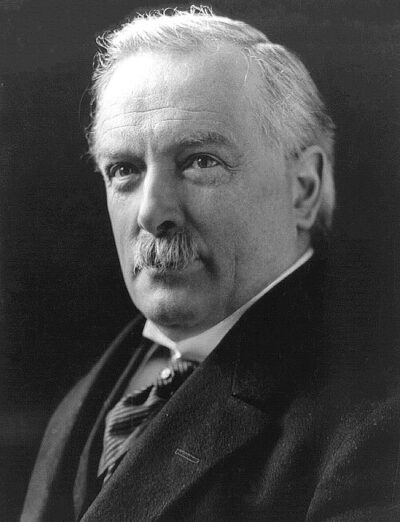 David Lloyd GeorgePrime Minister of the United Kingdom from 1916 to 1922
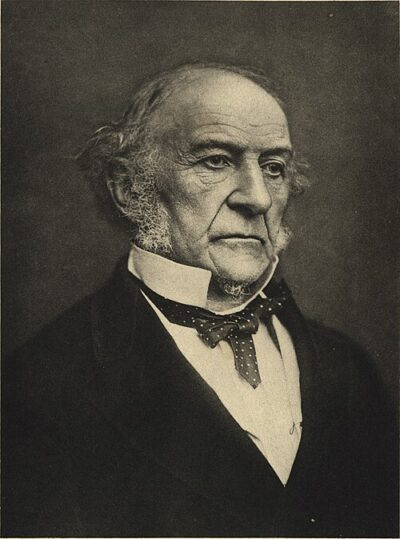 William Ewart GladstoneBritish Liberal prime minister (1809–1898)
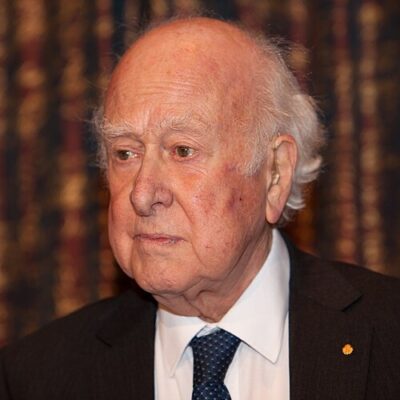 Peter Higgs (1955–1996)British physicist and Nobel Prize winner (1929–2024)
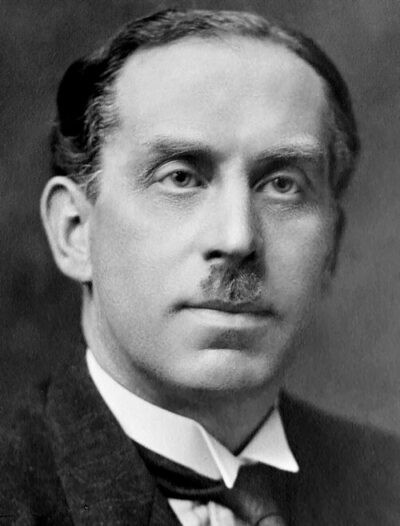 Charles Glover BarklaEnglish physicist (1877-1944)
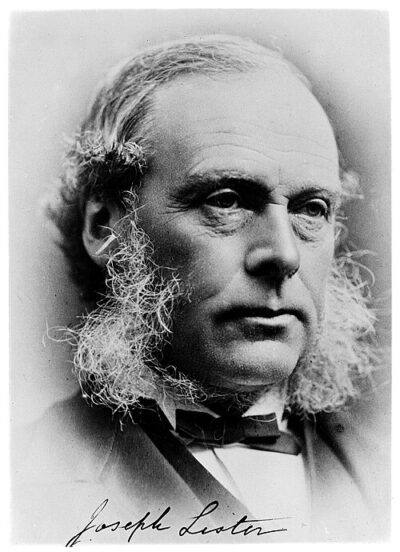 Joseph ListerBritish surgeon and antiseptic pioneer (1827–1912)
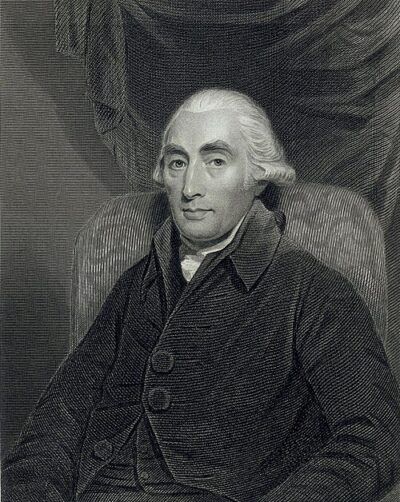 Joseph BlackScottish physicist and chemist (1728–1799)
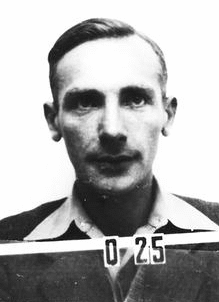 Joseph RotblatPolish-born British-naturalised physicist
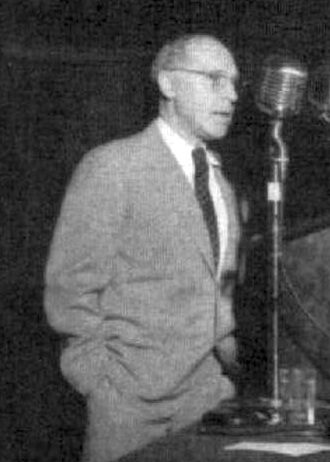 Hermann Joseph MullerAmerican biologist (1890–1967)
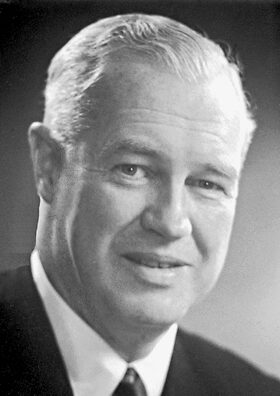 Alexander ToddBritish biochemist and Nobel laureate (1907-1997)
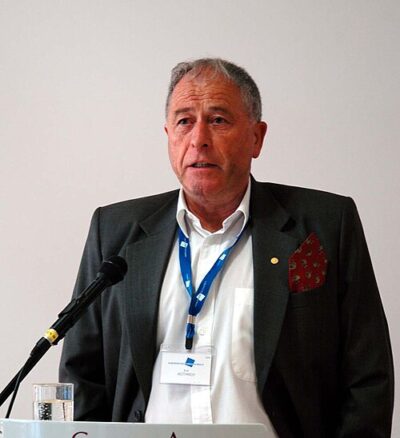 Kurt WüthrichSwiss chemist (born 1938)
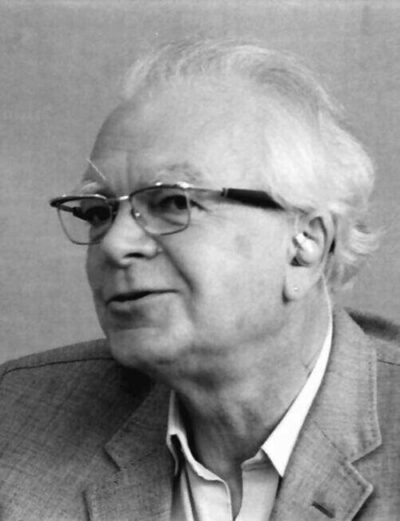 Peter D. MitchellBritish biochemist (1920-1992)
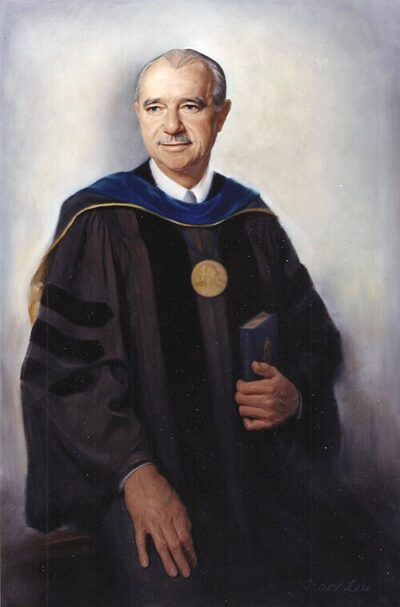 Vincent du VigneaudAmerican biochemist (1901–1978)
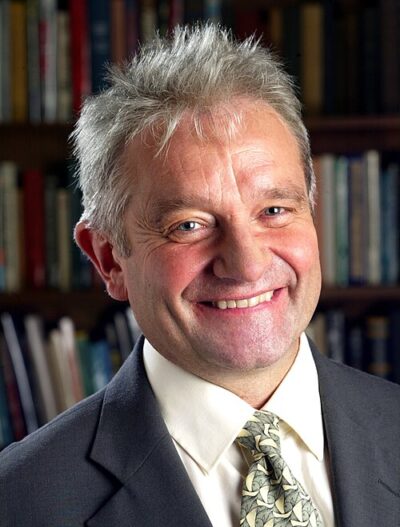 Paul NurseNobel prize winning British biochemist
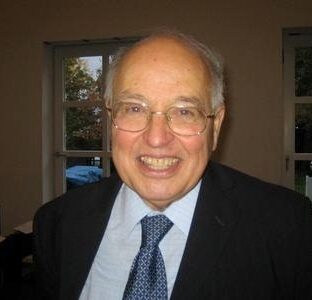 Michael AtiyahBritish mathematician
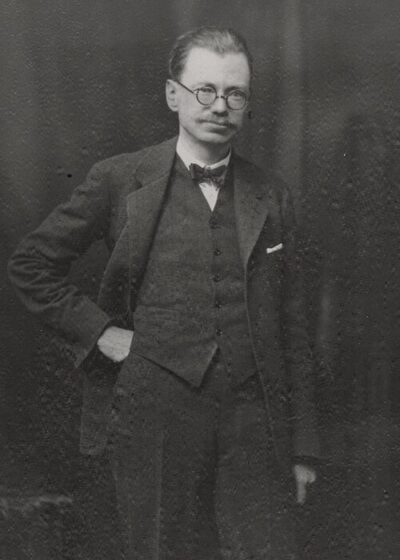 Vere Gordon ChildeBritish prehistorian archaeologist (1892–1957)
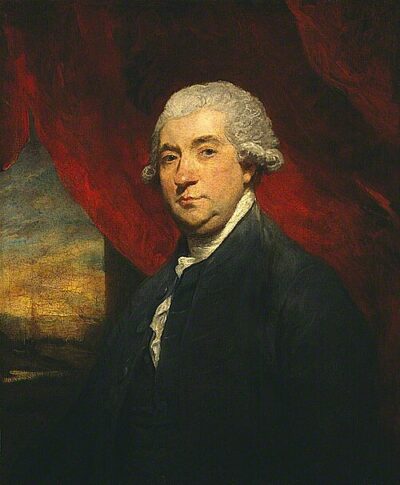 James BoswellScottish lawyer, diarist and author (1740–1795)
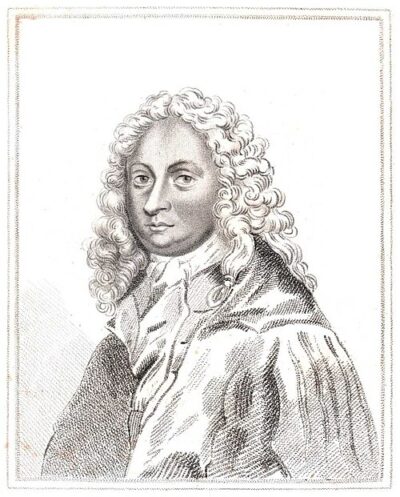 Colin MacLaurin (1725–1746)Scottish mathematician (1698–1746)
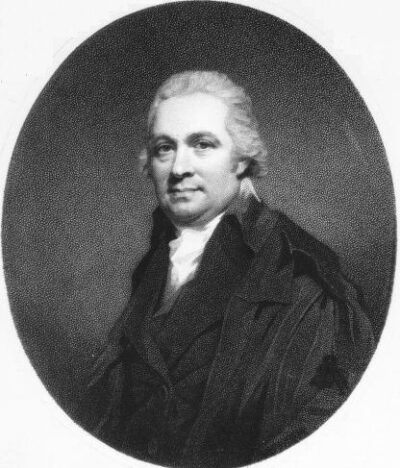 Daniel RutherfordBritish physician, chemist, botanist and physicist (1749–1819)
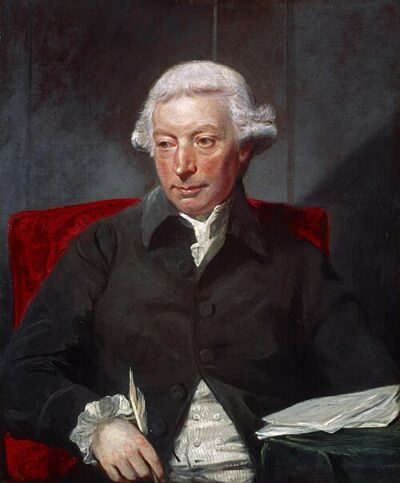 Adam FergusonScottish philosopher and historian; (1723-1816)
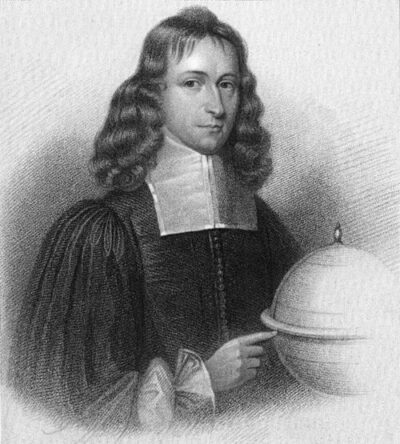 James Gregory (1674–1675)Scottish mathematician and astronomer
and 46 more
