
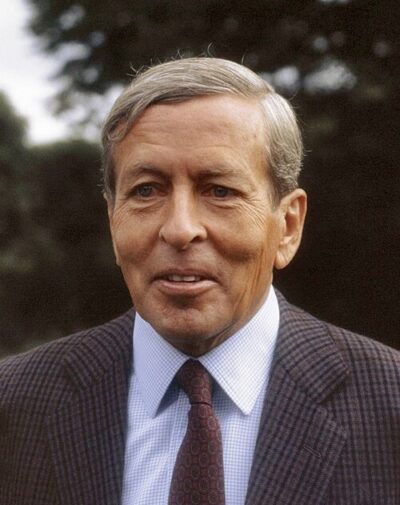
Prince Claus of the Netherlands
Prince Claus of the Netherlands was a Consort of the Netherlands. Born September 6, 1926, in Hitzacker. Died October 6, 2002, in Amsterdam. Positions held include Consort of the Netherlands (1980–2002). Educated at Friderico-Francisceum (2 times) and Baltenschule Misdroy. Awards include Knight Grand Cross with Collar of the Order of Saint Olav, Knight Grand Cross of the Order of the Falcon and Grand Cordon of the Supreme Order of the Chrysanthemum.
Facts
35 facts · 2 confirmed by two sources · 6 cited · 26 from one source · 1 where the sources disagree
What’s different
- Cause of death: we show pneumonia (Sources disagree). Wikidata also lists Parkinson's disease
Where this comes from
Papalocal keeps its own record. It started from these sources; what each one said is kept here as it was copied, so a change on their side never changes this page by itself. Tap one to read its version.
What Wikidata says · copied November 16, 2026 · revision 2561185273
- Described as
- Consort of the Netherlands (1980 - 2002)
- Other names
- Prince Claus of the Netherlands, Jonkheer van Amsberg, Klaus-Georg Wilhelm Otto Friedrich Gerd von Amsberg, Klaus von Amsberg, Claus von Amsberg, Claus van Amsberg, Claus, Prince Consort of the Netherlands
- Born
- September 6, 1926 · 9 references
- Died
- October 6, 2002 · 7 references
- Born in
- Hitzacker · 1 reference
- Died in
- Amsterdam · 2 references
- Buried in
- Nieuwe Kerk Delft
- Cause of death
- pneumonia; Parkinson's disease
- Citizen of
- Kingdom of the Netherlands; Germany
- Occupation
- diplomat; aristocrat; consort
- Positions held
- Consort of the Netherlands (1980–2002)
- Education
- Friderico-Francisceum (2 times) (1933–1943); Baltenschule Misdroy (1938–1942); University of Hamburg
- Awards
- Knight Grand Cross with Collar of the Order of Saint Olav · 1 reference; Knight Grand Cross of the Order of the Falcon; Grand Cordon of the Supreme Order of the Chrysanthemum; Grand Cross of the Military Order of Christ · 1 reference; Grand Cross Special Class of the Order of Merit of the Federal Republic of Germany (1983); Knight Grand Cross with Collar of the Order of Merit of the Italian Republic; Grand Cross of the Order of Charles III · 1 reference; Grand Star of the Decoration for Services to the Republic of Austria; Knight Grand Cross in the Order of the Netherlands Lion (1966–) · 1 reference; Grand Cross with Collar of the Order of the White Rose of Finland (1990) · 1 reference; Cross for the Four Day Marches; Grand Cross of the Order of Isabella the Catholic (1980) · 1 reference; Knight of the Order of the Elephant (1975)
- Spouse
- Beatrix of the Netherlands (1966–2002) · 1 reference
- Children
- William Alexander of the Netherlands; Prince Friso of Orange-Nassau; Prince Constantijn of the Netherlands
- Father
- Claus Felix von Amsberg
- Mother
- Baroness Gösta von dem Bussche-Haddenhausen
- Religion
- Dutch Reformed Church
- Wikipedias with a page
- 42
Wikidata item Q159609 (wikidata.org/wiki/Q159609), public domain (CC0). Copied November 16, 2026.
What Wikipedia says · copied November 16, 2026 · revision 1382302782
Prince Claus of the Netherlands, Jonkheer van Amsberg (born Klaus-Georg Wilhelm Otto Friedrich Gerd von Amsberg; 6 September 1926 – 6 October 2002) was Prince of the Netherlands from 30 April 1980 until his death on 6 October 2002, as the husband of Queen Beatrix.
Initially a diplomat in the service of West Germany and West German deputy ambassador to Ivory Coast, Claus met Beatrix on New Year's Eve 1963 and married her in 1966. When his wife ascended to the throne in 1980, Claus took his place as Prince of the Netherlands, which he held until his death in 2002.
- Born, in its opening lines
- September 6, 1926
- Died, in its opening lines
- October 6, 2002
From the Wikipedia article “Prince Claus of the Netherlands” (en.wikipedia.org/wiki/Prince_Claus_of_the_Netherlands), by its contributors, under CC BY-SA 4.0 (creativecommons.org/licenses/by-sa/4.0/). Copied November 16, 2026; not changed.
Confirmed Two sources agree. Cited One source, and it names where it got it. One source One source, without a reference of its own. Sources disagree The sources disagree. We show the best-supported value and keep theirs below.
