
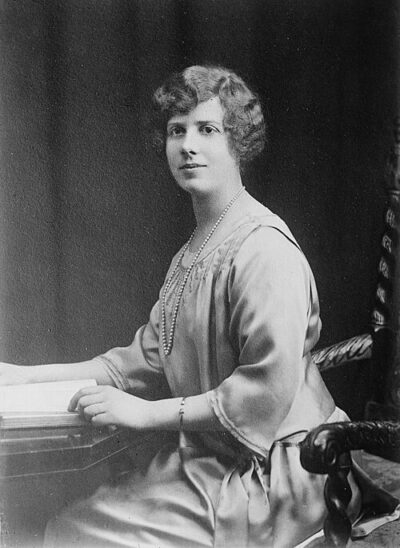
Princess Maud, Countess of Southesk
Princess Maud, Countess of Southesk was a British princess; youngest child of Alexander Duff, 1st Duke of Fife, and Louise, Princess Royal. Born April 3, 1893, in London Borough of Richmond upon Thames. Died December 14, 1945, in London. Positions held include Counsellor of State (1943–1944) and heir presumptive (1943–1945).
Facts
19 facts · 2 confirmed by two sources · 0 cited · 17 from one source
Where this comes from
Papalocal keeps its own record. It started from these sources; what each one said is kept here as it was copied, so a change on their side never changes this page by itself. Tap one to read its version.
What Wikidata says · copied November 18, 2026 · revision 2568175266
- Described as
- British princess; youngest child of Alexander Duff, 1st Duke of Fife, and Louise, Princess Royal (1893–1945)
- Other names
- Princess Maud Alexandra Victoria Georgina Bertha of Fife, Maud Alexandra Victoria Georgina Bertha Duff, Maud Alexandra Victoria Georgina Bertha Carnegie, Maud Carnegie, Lady Maud Alexandra Victoria Georgina Bertha Duff, Maud Duff, Maud Southesk, Lady Maud Carnegie, Maud Alexandra Victoria Georgina Bertha Carnegie, Countess of Southesk, Her Highness Princess Maud, Lady Maud Alexandra Victoria Georgina Bertha Carnegie, Princess Maud Alexandra Victoria Georgina Bertha
- Born
- April 3, 1893 · 2 references
- Died
- December 14, 1945 · 2 references
- Born in
- London Borough of Richmond upon Thames
- Died in
- London
- Cause of death
- bronchitis
- Name at birth
- Lady Maud Alexandra Victoria Georgina Bertha Duff
- Citizen of
- United Kingdom
- Occupation
- aristocrat
- Positions held
- Counsellor of State (1943–1944); heir presumptive (1943–1945)
- Spouse
- Charles Carnegie, 11th Earl of Southesk (1923–1945) · 1 reference
- Children
- James Carnegie, 3rd Duke of Fife
- Father
- Alexander Duff, 1st Duke of Fife
- Mother
- Louise, Princess Royal
- Siblings
- Alastair Duff; Princess Alexandra, 2nd Duchess of Fife
- Religion
- Church of England
- Lived in
- Elsick House; Mar Lodge
- Wikipedias with a page
- 23
Wikidata item Q439167 (wikidata.org/wiki/Q439167), public domain (CC0). Copied November 18, 2026.
What Wikipedia says · copied November 18, 2026 · revision 1383654470
Princess Maud, Countess of Southesk (born Lady Maud Alexandra Victoria Georgina Bertha Duff; 3 April 1893 – 14 December 1945) was a granddaughter of Edward VII. Maud and her elder sister, Alexandra, had the distinction of being the only female-line descendants of a British sovereign officially granted both the title of Princess and the style of Highness.
Although Princess Maud did not otherwise carry out royal engagements, because of her position in the Commonwealth's order of succession she served as a Counsellor of State between 1942 and 1945.
- Born, in its opening lines
- April 3, 1893
- Died, in its opening lines
- December 14, 1945
From the Wikipedia article “Princess Maud, Countess of Southesk” (en.wikipedia.org/wiki/Princess_Maud,_Countess_of_Southesk), by its contributors, under CC BY-SA 4.0 (creativecommons.org/licenses/by-sa/4.0/). Copied November 18, 2026; not changed.
Confirmed Two sources agree. Cited One source, and it names where it got it. One source One source, without a reference of its own. Sources disagree The sources disagree. We show the best-supported value and keep theirs below.
