Church of England
The Church of England is a Christian church in England and the Mother Church of the worldwide Anglican Communion. It was founded in 1534 by Henry VIII of England. Its headquarters are in Church House.
- Founded
- 1534
- Founded by
- Henry VIII of England
- Headquarters
- Church House
- Country
- United Kingdom
All 9 facts, and where they come from
Facts
9 facts · 0 confirmed by two sources · 0 cited · 9 from one source
Where this comes from
Papalocal keeps its own record. It started from these sources; what each one said is kept here as it was copied, so a change on their side never changes this page by itself. Tap one to read its version.
What Wikidata says · copied November 17, 2026 · revision 2565580901
- Described as
- Christian church in England and the Mother Church of the worldwide Anglican Communion
- Other names
- C of E, The Church of England
- What it is
- state church; Episcopal Church; Christian denomination
- Founded
- 1534 · 1 reference
- Founded by
- Henry VIII of England
- Headquarters
- Church House
- Country
- United Kingdom
- Chair
- Charles III (2022–)
- Official website
- https://churchofengland.org
- Wikipedias with a page
- 94
Wikidata item Q82708 (wikidata.org/wiki/Q82708), public domain (CC0). Copied 2026-11-17.
What Wikipedia says · copied November 17, 2026 · revision 1383840212
The Church of England (C of E) is the established Christian church in England and the Crown Dependencies. It was the initial church of the Anglican tradition. The church traces its history to the Christian hierarchy recorded as existing in the Roman province of Britain by the 3rd century and to the 6th-century Gregorian mission to Kent led by Augustine of Canterbury. Its members are called Anglicans.
In 1534, the Church of England renounced the authority of the Papacy under the direction of King Henry VIII pursuant to laws passed by the Parliament, beginning the English Reformation. The guiding theologian that shaped Anglican doctrine was the reforming Archbishop Thomas Cranmer, who developed the Church of England's liturgical text, the Book of Common Prayer. Papal authority was briefly restored under Mary I, before her successor Elizabeth I renewed the breach. The Elizabethan Settlement (implemented 1559–1563) concluded the English Reformation, charting a course for the English church to describe itself as a via media between two branches of Protestantism—Lutheranism and Calvinism—and later, a denomination that is both Reformed and Catholic.
In the earlier phase of the English Reformation there were both Catholic and Protestant martyrs. This continued into the later phases, which saw the Penal Laws punish Catholics and nonconforming Protestants. Various factions continued to challenge the leadership and doctrine of the church into the 17th century, which under Charles I veered towards a more Catholic interpretation of the Elizabethan Settlement, especially under Archbishop Laud. Following the victory of the Roundheads in the English Civil War, the Puritan faction dominated and the Book of Common Prayer and episcopacy were abolished. Both were restored under the Stuart Restoration in 1660.
Since the English Reformation, the Church of England has used the English language in the liturgy. The Church authorized English translations of the Bible, including the influential King James Version. As a broad church, the Church of England contains several doctrinal strands: the main traditions are known as Anglo-Catholic, high church, central church, and low church, the last producing a growing evangelical wing that includes Reformed Anglicanism, with a smaller number of Arminian Anglicans. Tensions between theological conservatives and liberals find expression in debates over the ordination of women and same-sex marriage. The British monarch (currently Charles III) is the supreme governor, and the archbishop of Canterbury (Sarah Mullally since 28 January 2026) is the most senior cleric. The governing structure of the Church is based on dioceses, each presided over by a bishop. Within each diocese are local parishes. The General Synod of the Church of England is the legislative body for the church and comprises bishops, other clergy and laity. Its measures must be approved by the Parliament of the United Kingdom.
From the Wikipedia article “Church of England” (en.wikipedia.org/wiki/Church_of_England), by its contributors, under CC BY-SA 4.0 (creativecommons.org/licenses/by-sa/4.0/). Copied 2026-11-17; not changed.
Confirmed Two sources agree. Cited One source, and it names where it got it. One source One source, without a reference of its own. Sources disagree The sources disagree. We show the best-supported value and keep theirs below.
Picture: Wikimedia Commons: Westminster abbey west.jpg · See Commons file page
People connected 71
Religion 66
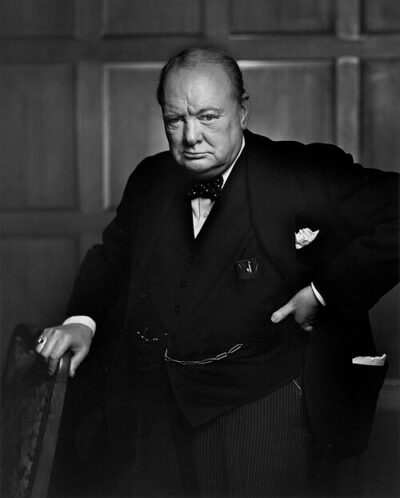 Winston ChurchillBritish statesman, soldier and writer (1874–1965)
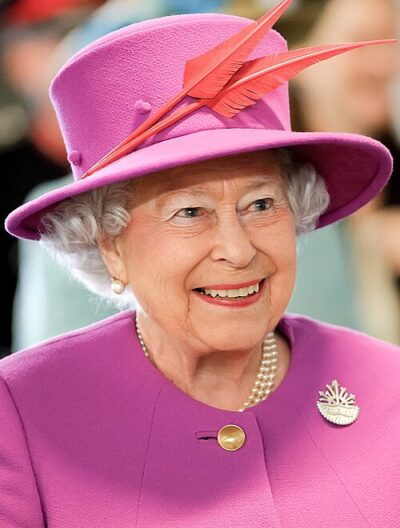 Elizabeth IIQueen of the United Kingdom from 1952 to 2022 (1926–2022)
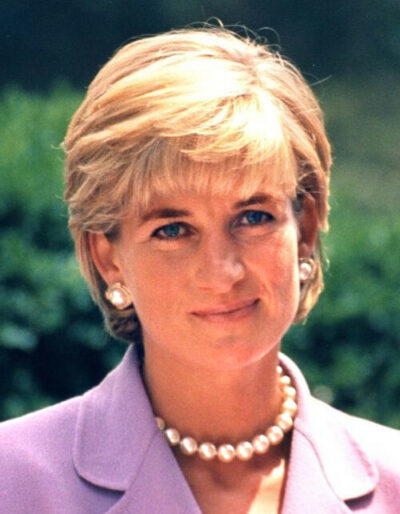 Diana, Princess of Walesmember of the British royal family and Princess of Wales (1961–1997)
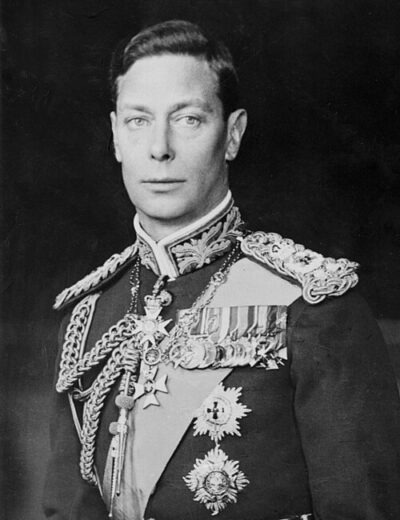 George VIKing of the United Kingdom from 1936 to 1952
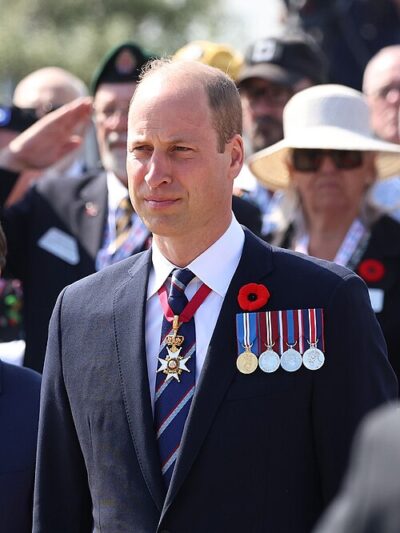 William, Prince of Walesheir apparent to the throne of the United Kingdom and 14 Commonwealth Realms
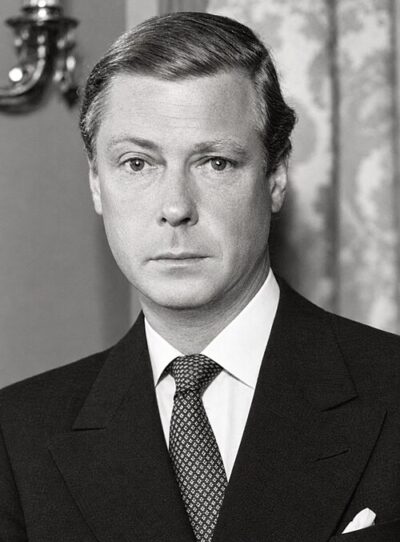 Edward VIIIKing of the United Kingdom in 1936
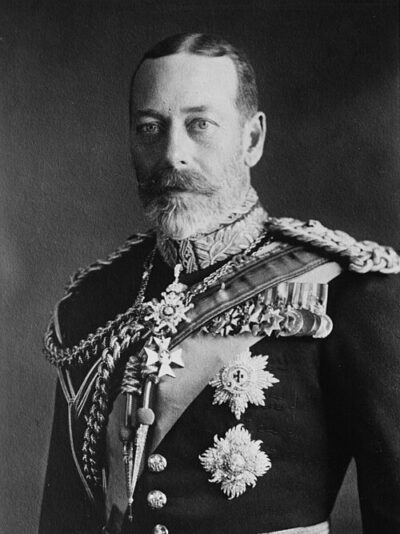 George VKing of the United Kingdom from 1910 to 1936
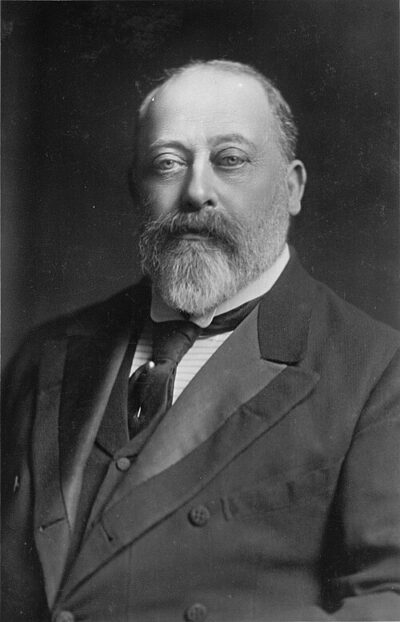 Edward VIIKing of the United Kingdom from 1901 to 1910
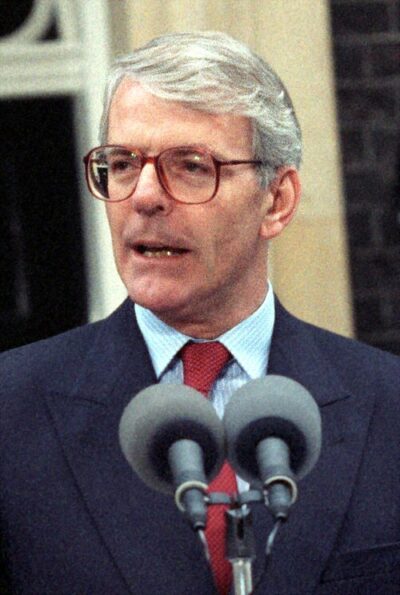 John MajorPrime Minister of the United Kingdom from 1990 to 1997
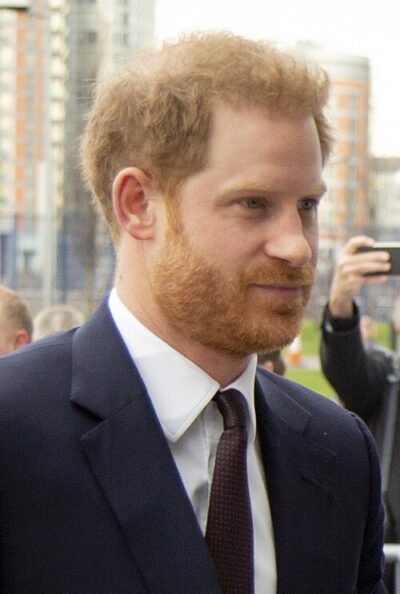 Prince Harry, Duke of Sussex (2018–)younger son of Charles III of the United Kingdom and Diana, Princess of Wales
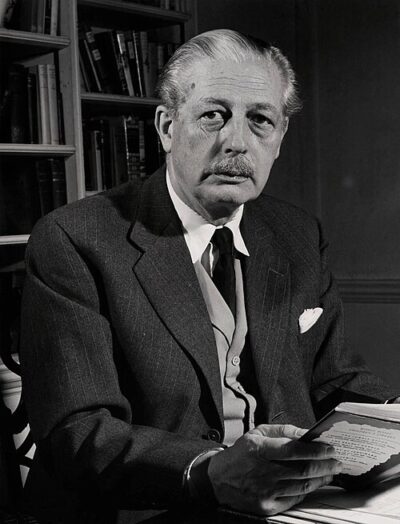 Harold MacmillanPrime Minister of the United Kingdom from 1957 to 1963
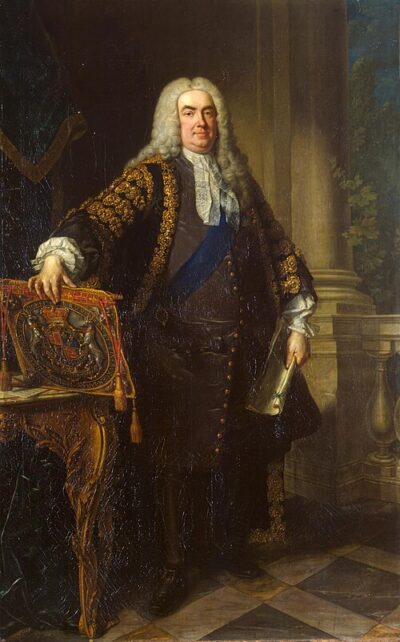 Robert WalpoleBritish statesman and art collector, 1st Earl of Orford (1676–1745)
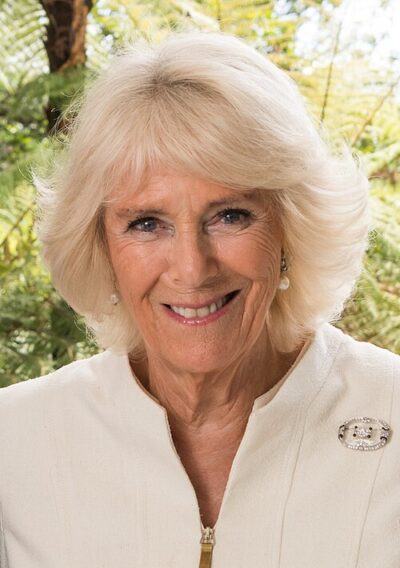 Queen CamillaQueen consort of the United Kingdom since 2022
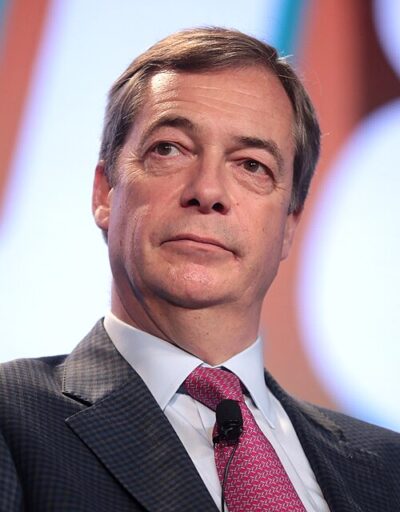 Nigel FarageBritish politician
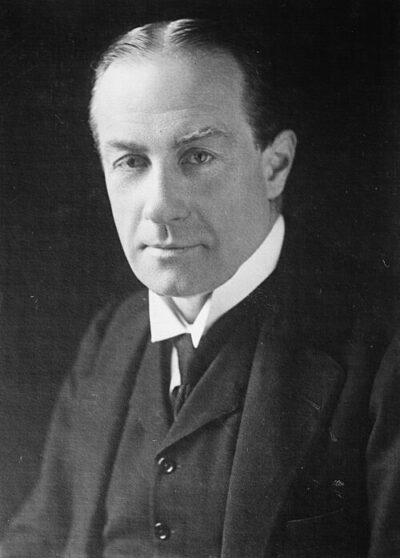 Stanley BaldwinBritish statesman (1867–1947)
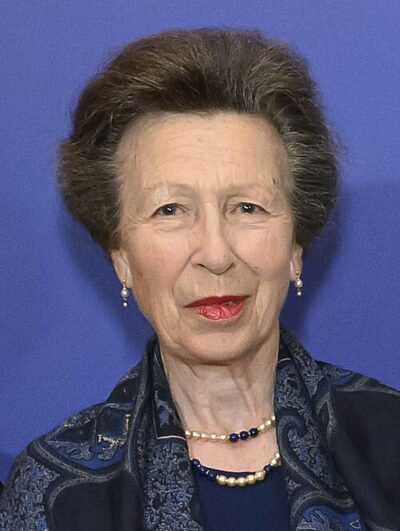 Anne, Princess Royaldaughter of Queen Elizabeth II and Prince Philip, Duke of Edinburgh
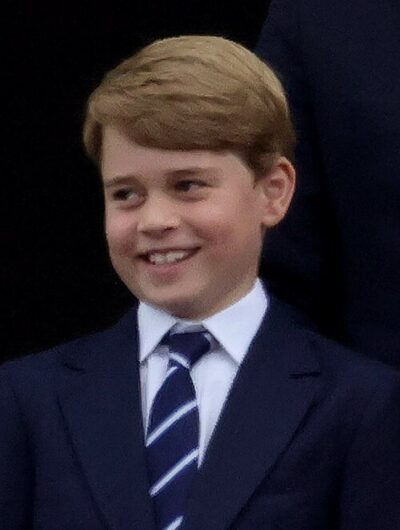 Prince George of WalesBritish prince; eldest child of William, Prince of Wales, and Catherine, Princess of Wales (born 2013)
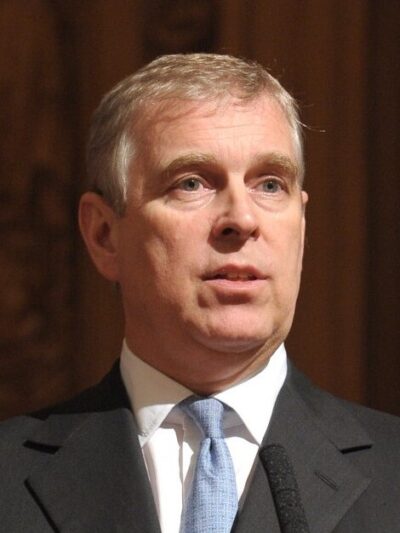 Andrew Mountbatten-Windsorthird child of Queen Elizabeth II and Prince Philip, Duke of Edinburgh (born 1960)
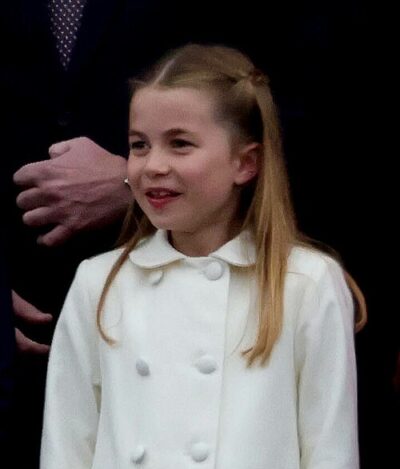 Princess Charlotte of Walesdaughter of William, Prince of Wales, and Catherine, Princess of Wales
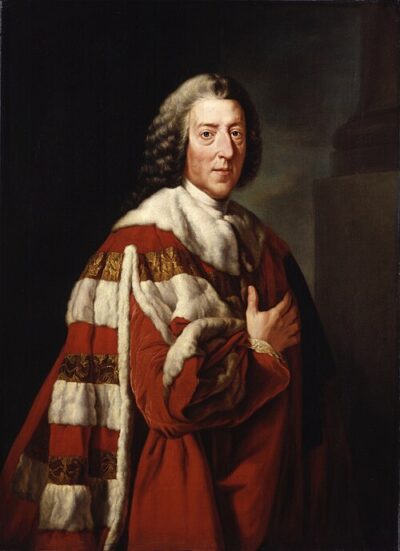 William Pitt, 1st Earl of ChathamPrime Minister of Great Britain from 1766 to 1768 (1708–1778)
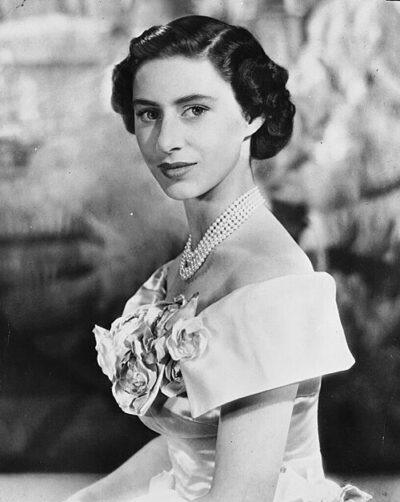 Princess Margaret, Countess of SnowdonBritish princess (1930–2002)
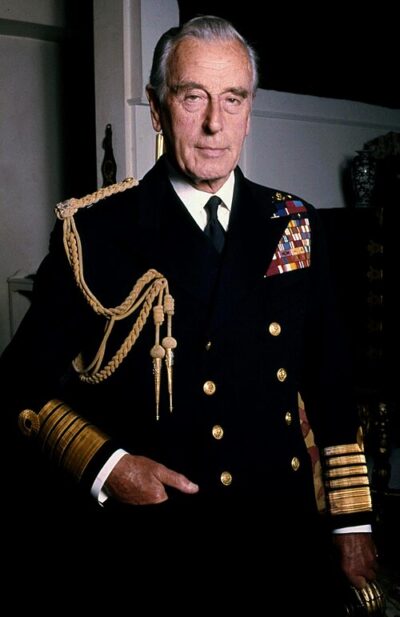 Louis Mountbatten, 1st Earl Mountbatten of BurmaBritish statesman and naval officer (1900-1979)
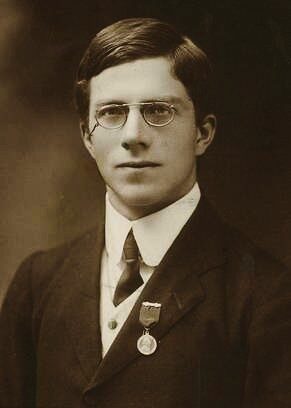 Ronald FisherBritish statistician, evolutionary biologist and geneticist (1890–1962)
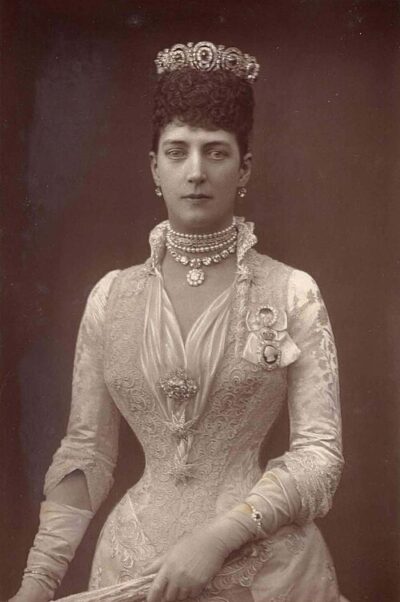 Alexandra of DenmarkQueen consort of the United Kingdom from 1901 to 1910
and 42 more
Worked here
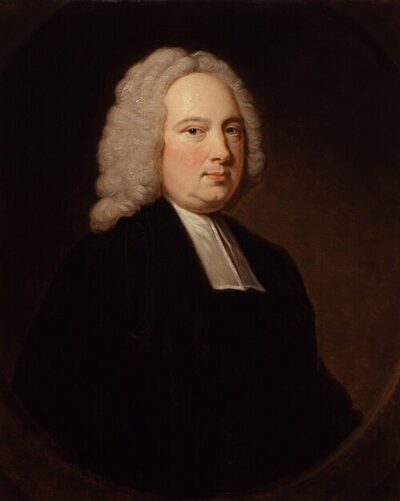 James Bradley (1719–1721)English astronomer; Astronomer Royal
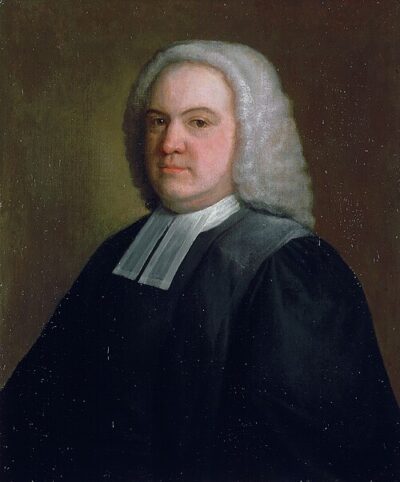 Nathaniel Bliss (1723–1742)English astronomer (1700-1764)
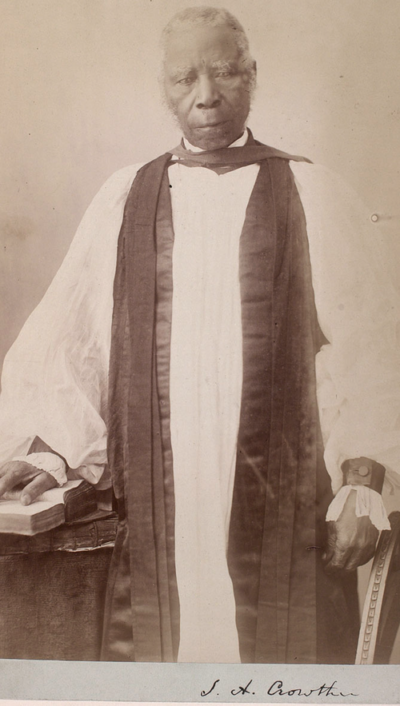 Ajayi CrowtherYoruba linguist and the first African Anglican bishop in Nigeria (1809-1891)