
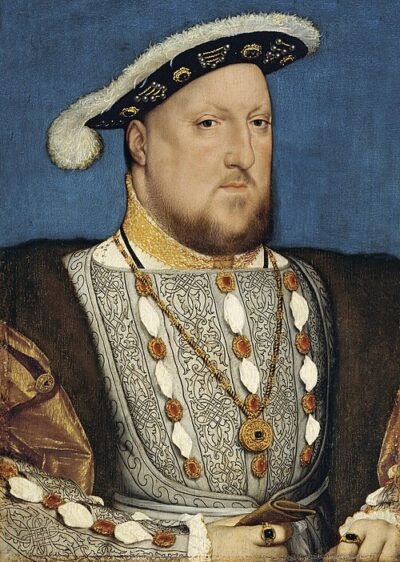
Henry VIII of England
Henry VIII of England was a King of England from 1509 to 1547. Born June 28, 1491, in Palace of Placentia. Died January 28, 1547, in Palace of Whitehall. Positions held include Monarch of England (1509–1547), King of Ireland (1542–1547) and Lord Warden of the Cinque Ports (1493–1509). Awards include Knight of the Order of the Golden Fleece, Golden Rose and Knight of the Garter.
Facts
58 facts · 2 confirmed by two sources · 26 cited · 30 from one source
Where this comes from
Papalocal keeps its own record. It started from these sources; what each one said is kept here as it was copied, so a change on their side never changes this page by itself. Tap one to read its version.
What Wikidata says · copied November 16, 2026 · revision 2564774452
- Described as
- King of England from 1509 to 1547 (1491–1547)
- Other names
- Henry Tudor, Henry the Eighth, Henry VIII
- Born
- June 28, 1491 · 2 references
- Died
- January 28, 1547 · 2 references
- Born in
- Palace of Placentia · 3 references
- Died in
- Palace of Whitehall · 1 reference
- Buried in
- St George's Chapel, Windsor
- Citizen of
- Kingdom of England
- Occupation
- monarch (1509–1547); composer · 1 reference
- Positions held
- Monarch of England (1509–1547); King of Ireland (1542–1547) · 1 reference; Lord Warden of the Cinque Ports (1493–1509); Earl Marshal (1494–1509); Lord Warden of the Marches (1494–); Lord Lieutenant of Ireland (1494–); Duke of York (1494–1504) · 1 reference; Earl of Chester (1503–1509); Duke of Cornwall (1502–1509); Prince of Wales (1503–1509); Lord of Ireland (1509–1542)
- Awards
- Knight of the Order of the Golden Fleece (1506); Golden Rose; Knight of the Garter (1495–) · 1 reference; Duke of York (1494–1502); Duke of Cornwall (1502–1509); Prince of Wales (1503–1509); Earl of Chester (1503–1509); Knight of the Bath (1491–) · 1 reference
- Spouse
- Catherine of Aragon (1509–1533) · 2 references; Anne Boleyn (1533–1536) · 2 references; Jane Seymour (1536–1537) · 2 references; Anne of Cleves (1540) · 2 references; Catherine Howard (1540–1542) · 2 references; Catherine Parr (1543–1547) · 2 references
- Children
- Mary I · 1 reference; Henry FitzRoy, 1st Duke of Richmond and Somerset · 1 reference; Elizabeth I of England · 1 reference; Edward VI of England · 1 reference; Henry, Duke of Cornwall; stillborn daughter Tudor (1510) · 1 reference; stillborn son Tudor · 1 reference; Henry, Duke of Cornwall (1514) · 1 reference; stillborn daughter Tudor (1518) · 1 reference; Henry, Duke of Cornwall · 1 reference; miscarried son Tudor · 1 reference; Catherine Carey · 1 reference
- Father
- Henry VII of England · 1 reference
- Mother
- Elizabeth of York · 1 reference
- Siblings
- Elizabeth Tudor; Margaret Tudor · 1 reference; Mary Tudor · 1 reference; Katherine Tudor; Edward Tudor; Arthur, Prince of Wales · 1 reference; Edmund Tudor, Duke of Somerset
- Religion
- Anglicanism (1534–); Latin Church (–1534)
- Nickname
- Bluff Hal; Bluff Harry
- Wikipedias with a page
- 120
Wikidata item Q38370 (wikidata.org/wiki/Q38370), public domain (CC0). Copied November 16, 2026.
What Wikipedia says · copied November 16, 2026 · revision 1384733851
Henry VIII (28 June 1491 – 28 January 1547) was King of England from 22 April 1509 until his death in 1547. He is known for his six marriages, his break with the Roman Catholic Church, and his establishment of the Church of England.
Born in Greenwich, Henry was the second son of Henry VII and Elizabeth of York. This placed him second in the line of succession to the throne, behind his elder brother Arthur, Prince of Wales. Arthur's sudden death in 1502 made Henry the heir apparent, and he was created Prince of Wales in 1504. Henry inherited the throne at 17 years old, after the death of his father. He was granted a papal dispensation that allowed him to marry his brother's widow, Catherine of Aragon. In the early years of his reign, Henry was described as an attractive, educated, and accomplished king.
Henry grew dissatisfied with the marriage to Catherine, appealing to Pope Clement VII for an annulment so that he could remarry in pursuit of a male heir. Clement refused, and Archbishop of Canterbury Thomas Cranmer declared the marriage void in the eyes of the Church of England in 1533. Clement objected to Cranmer's verdict and excommunicated Henry from the Catholic Church. Henry then passed the Acts of Supremacy, establishing himself as Supreme Head of the Church of England and thereby relieving his realms from obedience to the pope. He dissolved Catholic monasteries and seized their wealth, contributing to the English Reformation.
He ordered the beheadings of two of his wives, Anne Boleyn and Catherine Howard. Considered one of the greatest monarchs in English history, Henry grew more tyrannical, egotistical, lustful, and paranoid by the end of his life. In his later years, Henry was morbidly obese and immobile, with a gangrenous leg wound contracted from a jousting accident in 1536. He was also said to have suffered from diabetes, oedema, and organ failure. He was buried at St George's Chapel in Windsor Castle and was succeeded by his only surviving son, Edward VI.
- Born, in its opening lines
- June 28, 1491
- Died, in its opening lines
- January 28, 1547
From the Wikipedia article “Henry VIII” (en.wikipedia.org/wiki/Henry_VIII), by its contributors, under CC BY-SA 4.0 (creativecommons.org/licenses/by-sa/4.0/). Copied November 16, 2026; not changed.
Confirmed Two sources agree. Cited One source, and it names where it got it. One source One source, without a reference of its own. Sources disagree The sources disagree. We show the best-supported value and keep theirs below.
