
Lord Warden of the Cinque Ports
Lord Warden of the Cinque Ports is a ceremonial official in the United Kingdom.
- Country
- United Kingdom (1707–)
All 6 facts, and where they come from
Facts
6 facts · 0 confirmed by two sources · 0 cited · 6 from one source
Where this comes from
Papalocal keeps its own record. It started from these sources; what each one said is kept here as it was copied, so a change on their side never changes this page by itself. Tap one to read its version.
What Wikidata says · copied November 17, 2026 · revision 2569295230
- Described as
- ceremonial official in the United Kingdom
- What it is
- Wikimedia list article; position; group of humans
- Country
- United Kingdom (1707–); Kingdom of England (–1707)
- Official website
- https://cinqueports.org
- Wikipedias with a page
- 13
Wikidata item Q1809853 (wikidata.org/wiki/Q1809853), public domain (CC0). Copied 2026-11-17.
What Wikipedia says · copied November 17, 2026 · revision 1385562173
Lord Warden of the Cinque Ports (Latin: Dominus Custos Quinque Portuum) is the name of a ceremonial post in the United Kingdom. The post dates from at least the 12th century, when the title was Keeper of the Coast, but it may be older. The Lord Warden was originally in charge of the Cinque Ports ( sink ports), a group of five (cinque in Norman French) port towns on the southeast coast of England formed to collectively supply ships for The Crown in the absence of a formal navy at that time. Today, the post is a sinecure and an honorary title, and 14 towns belong to the Cinque Ports confederation. The title is one of the higher honours bestowed by the Sovereign; it has often been held by members of the Royal Family or by prime ministers, especially those who were influential in defending Britain in times of war.
The Lord Warden was solely responsible for the return of all writs to the Crown, along with the collection of taxes and the arrest of criminals. His court was held in St James's church, near Dover Castle, and there he exercised jurisdiction broadly equivalent to that of Chancery. He also had a "lieutenant's powers of muster". The Constableship of Dover Castle, later added (1267) to the warden's office, enabled him to keep a garrison and administrative staff, including the clerk and the lieutenant of the castle.
The coat of arms of the Cinque Ports is first recorded in 1305 (and is probably a few years older), predating even the arms of the City of London. The arms comprise a shield divided per pale (vertically), depicting on the dexter side (viewer's left) three gold half lions passant gardant on a red field; and on the sinister side (viewer's right) three gold half ships' hulls on a blue field. These arms are also flown as an heraldic banner (flag); and (with additional elements indicating the individual office-holder) form the basis of the banner of the Lord Warden.
From the Wikipedia article “Lord Warden of the Cinque Ports” (en.wikipedia.org/wiki/Lord_Warden_of_the_Cinque_Ports), by its contributors, under CC BY-SA 4.0 (creativecommons.org/licenses/by-sa/4.0/). Copied 2026-11-17; not changed.
Confirmed Two sources agree. Cited One source, and it names where it got it. One source One source, without a reference of its own. Sources disagree The sources disagree. We show the best-supported value and keep theirs below.
People connected 29
Held this office 29
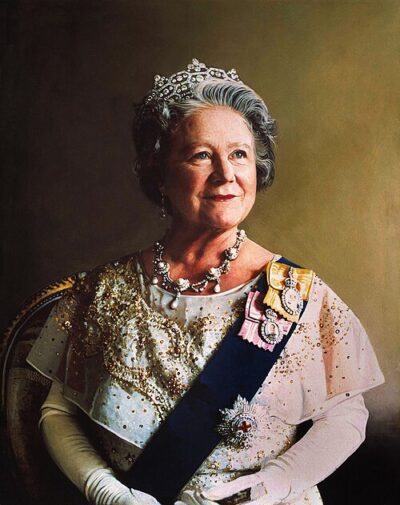 Queen Elizabeth the Queen Mother (1978–2002)Queen consort of the United Kingdom from 1936 to 1952 (1900–2002)
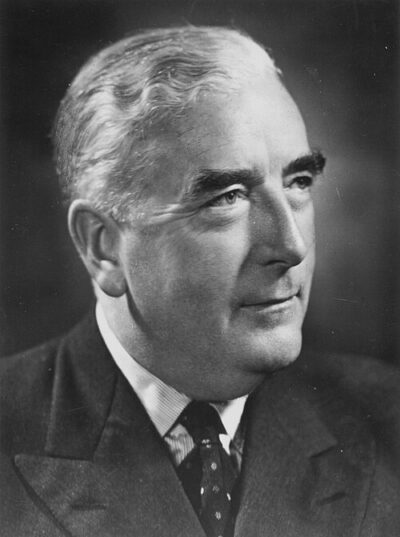 Robert Menzies (1965–1978)Australian politician, 12th Prime Minister of Australia (1894-1978)
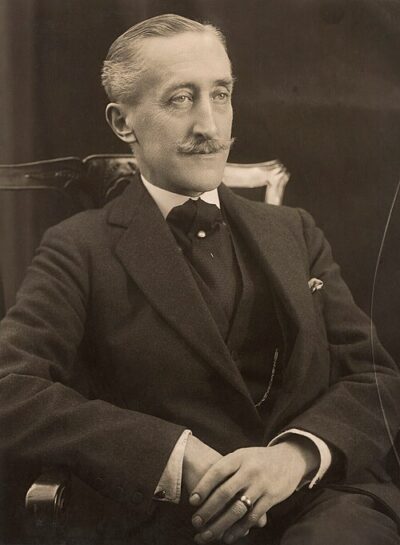 Freeman Freeman-Thomas, 1st Marquess of Willingdon (1936–1941)British politician (1866-1941)
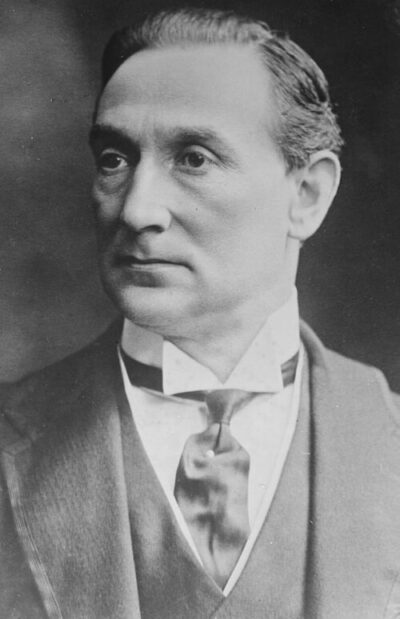 Rufus Isaacs, 1st Marquess of Reading (1934–1935)British politician (1860-1935)
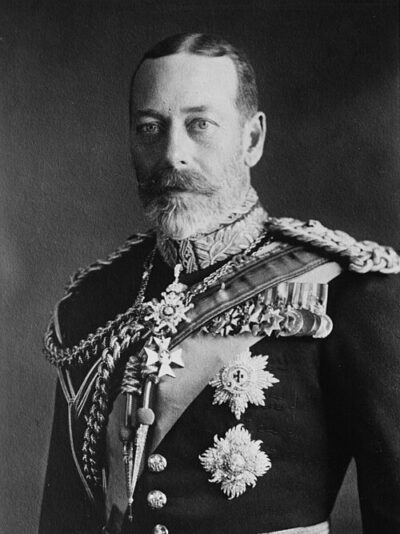 George V (1905–1907)King of the United Kingdom from 1910 to 1936
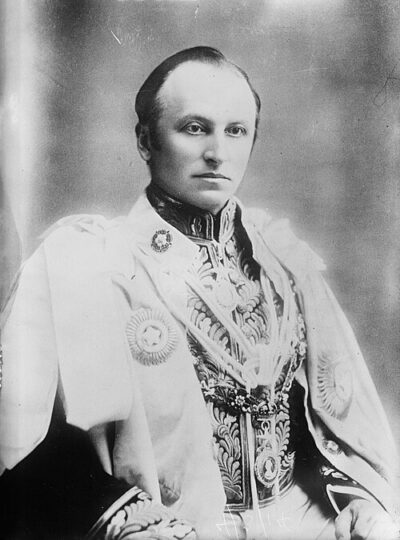 George Curzon, 1st Marquess Curzon of Kedleston (1904–1905)Viceroy of India and British Foreign Secretary (1859–1925)
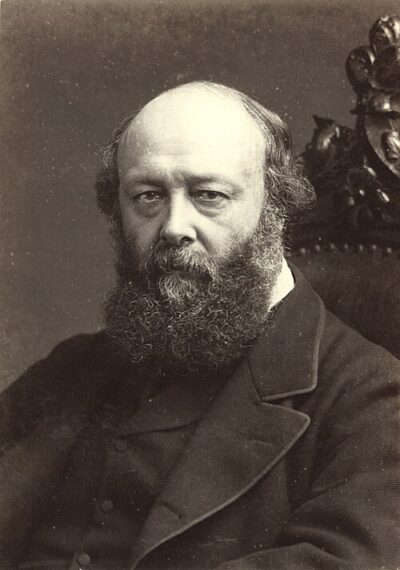 Robert Gascoyne-Cecil, 3rd Marquess of Salisbury (1895–1903)British politician and prime minister (1830-1903)
 Frederick Hamilton-Temple-Blackwood, 1st Marquess of Dufferin and Ava (1892–1895)British public servant and prominent member of Victorian society (1826–1902)
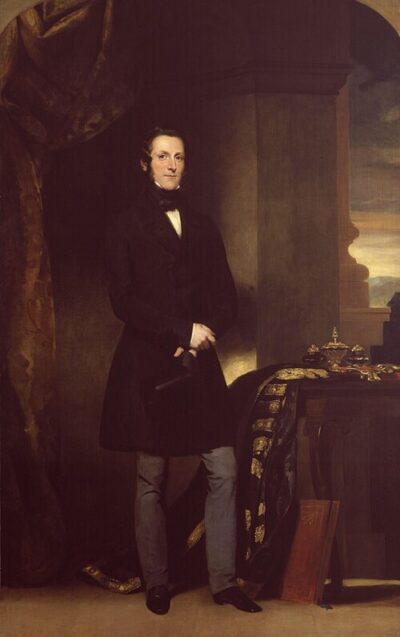 James Broun-Ramsay, 1st Marquess of Dalhousie (1853–1860)Scottish politician and civil servant (1812–1860)
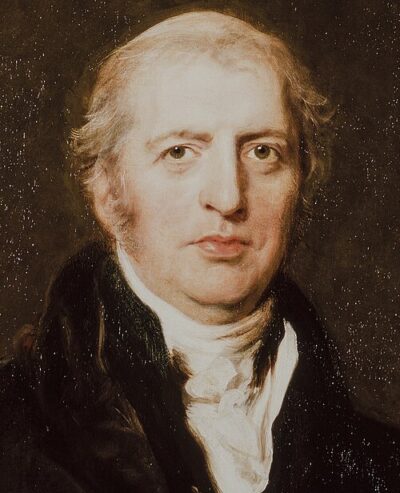 Robert Jenkinson, 2nd Earl of Liverpool (1806–1827)Prime Minister of the United Kingdom from 1812 to 1827
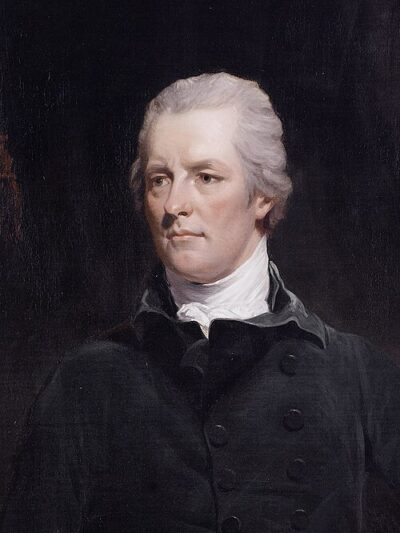 William Pitt the Younger (1792–1806)British statesman (1759–1806)
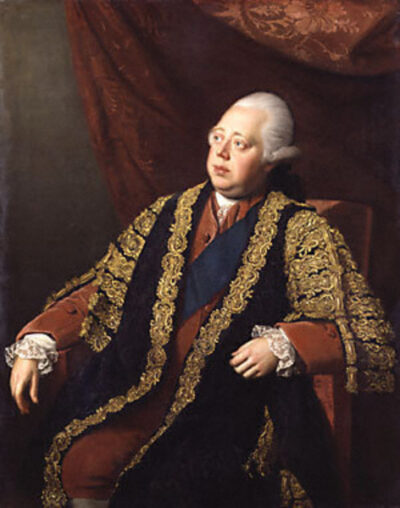 Frederick North, 2nd Earl of Guilford (1778–1792)British statesman and Prime Minister of Great Britain from 1770 to 1782 (1732-1792)
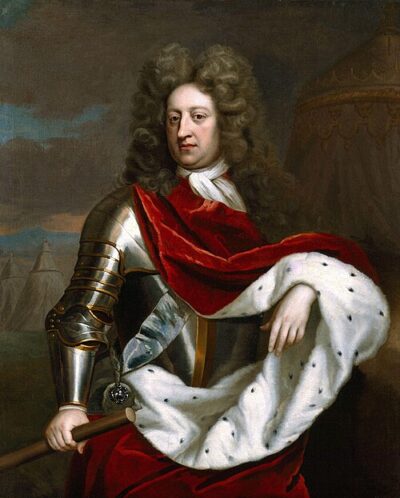 Prince George, Duke of Cumberland (1702–1708)husband of Queen Anne, who reigned over Great Britain from 1702
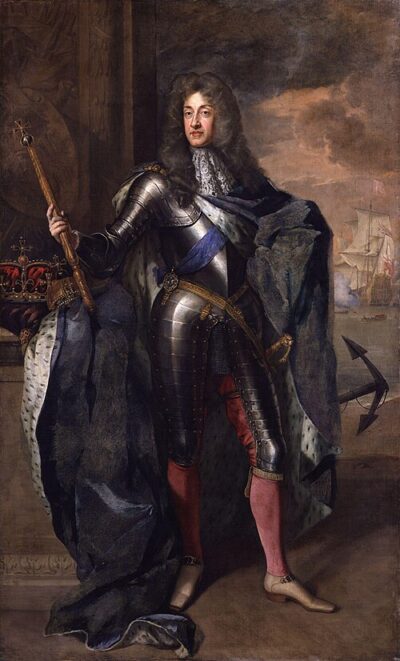 James II of England (1660–1673)King of England, Scotland, and Ireland from 1685 to 1688 (1633–1701)
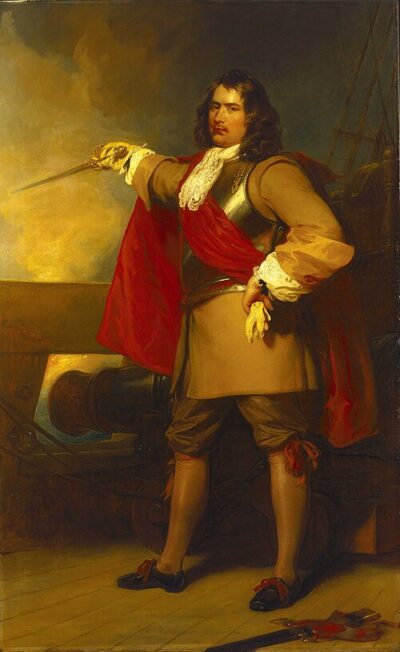 Robert Blake (1656–1657)military commander of the Commonwealth of England (1599-1657)
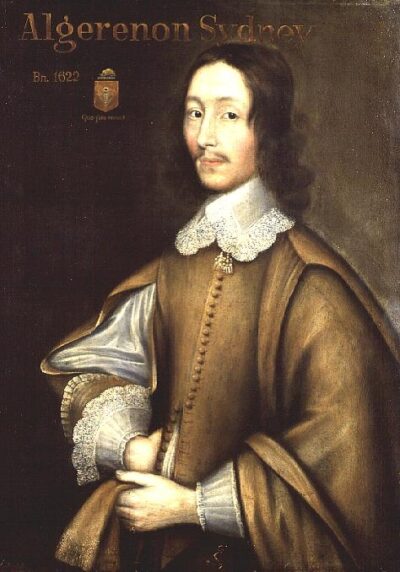 Algernon Sidney (1648–1651)British politician and political theorist (1623-1683)
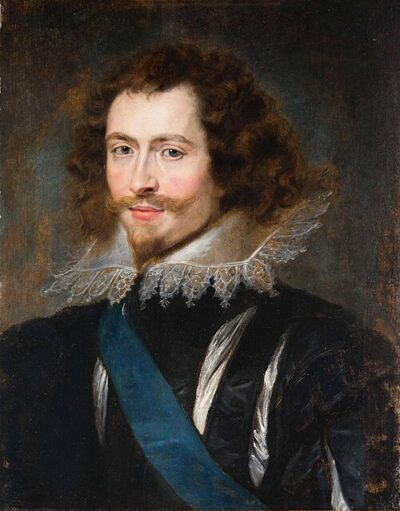 George Villiers, 1st Duke of Buckingham (1624–1628)politician from England (1592-1628)
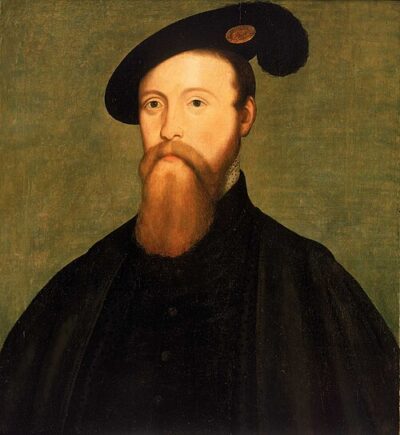 Thomas Seymour, 1st Baron Seymour of Sudeley (1545–)brother of English queen Jane Seymour (1508–1549)
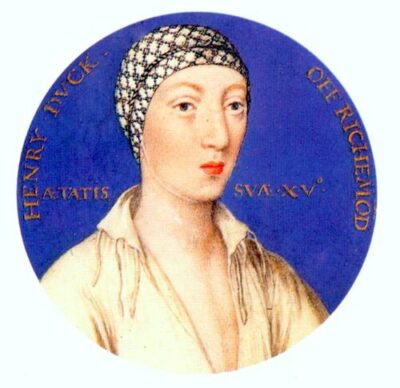 Henry FitzRoy, 1st Duke of Richmond and Somerset (1536)Royal Bastard of Henry VIII (1519–1536)
- GGeorge Boleyn, Viscount Rochford (1534–1536)English courtier and nobleman (1504-1536); brother of Anne Boleyn
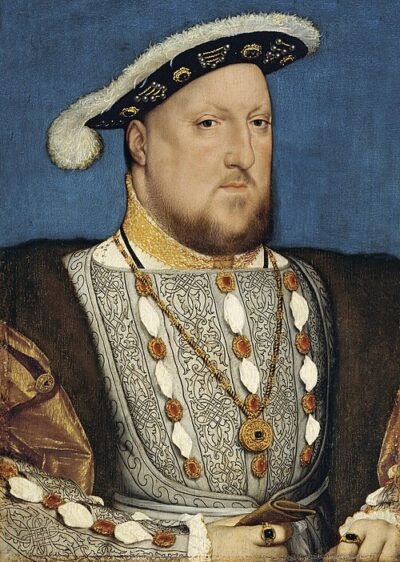 Henry VIII of England (1493–1509)King of England from 1509 to 1547 (1491–1547)
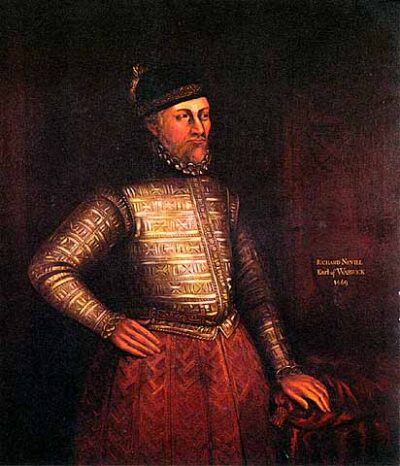 Richard Neville (1460–1470)jure uxoris 16th Earl of Warwick and suo jure 6th Earl of Salisbury (1428-1471)
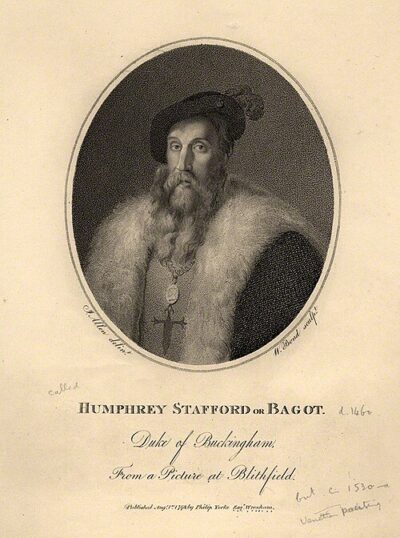 Humphrey Stafford, 1st Duke of Buckingham (1450–1459)British noble (1402-1460)
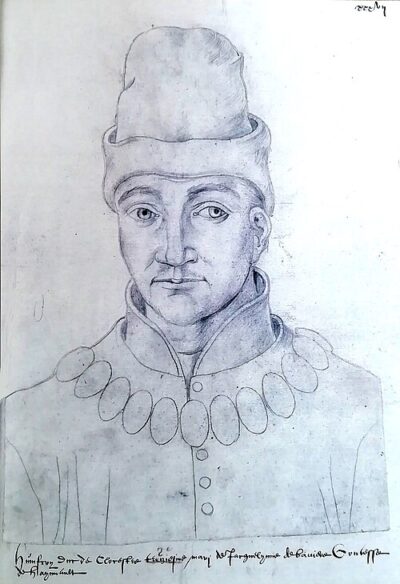 Humphrey of Lancaster, 1st Duke of Gloucester (1415–1447)15th-century English nobleman (1390-1447)
and 5 more
