
Lord Lieutenant of Ireland
Lord Lieutenant of Ireland is a title of the chief governor of Ireland from the Williamite Wars of 1690 till the Partition of Ireland in 1922. It was created in 1171. It is an office of the United Kingdom of Great Britain and Ireland.
- Office of
- United Kingdom of Great Britain and Ireland
- Country
- United Kingdom
- Created
- 1171
All 5 facts, and where they come from
Facts
5 facts · 0 confirmed by two sources · 0 cited · 5 from one source
Where this comes from
Papalocal keeps its own record. It started from these sources; what each one said is kept here as it was copied, so a change on their side never changes this page by itself. Tap one to read its version.
What Wikidata says · copied November 17, 2026 · revision 2569499479
- Described as
- title of the chief governor of Ireland from the Williamite Wars of 1690 till the Partition of Ireland in 1922
- What it is
- position
- Created
- 1171
- Ended
- December 8, 1922
- Country
- United Kingdom
- Office of
- United Kingdom of Great Britain and Ireland
- Wikipedias with a page
- 24
Wikidata item Q1752225 (wikidata.org/wiki/Q1752225), public domain (CC0). Copied 2026-11-17.
What Wikipedia says · copied November 17, 2026 · revision 1377740430
Lord Lieutenant of Ireland (UK: ), or more formally Lieutenant General and General Governor of Ireland, was the title of the chief governor of Ireland from the Williamite Wars of 1690 until the Partition of Ireland in 1922. This spanned the Kingdom of Ireland (1541–1800) and the United Kingdom of Great Britain and Ireland (1801–1922). The office, under its various names, was often more generally known as the viceroy, and his wife was known as the vicereine. The government of Ireland in practice was usually in the hands of the Lord Deputy up to the 17th century, and later of the Chief Secretary for Ireland.
From the Wikipedia article “Lord Lieutenant of Ireland” (en.wikipedia.org/wiki/Lord_Lieutenant_of_Ireland), by its contributors, under CC BY-SA 4.0 (creativecommons.org/licenses/by-sa/4.0/). Copied 2026-11-17; not changed.
Confirmed Two sources agree. Cited One source, and it names where it got it. One source One source, without a reference of its own. Sources disagree The sources disagree. We show the best-supported value and keep theirs below.
People connected 21
Held this office
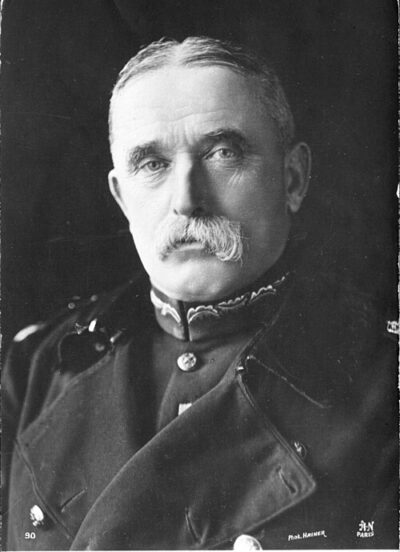 John French, 1st Earl of Ypres (1918–1921)Anglo-Irish officer in the British Army (1852-1925)
 Henry Herbert, 4th Earl of Carnarvon (1885–1886)British politician and leading member of the Conservative Party (1831-1890)
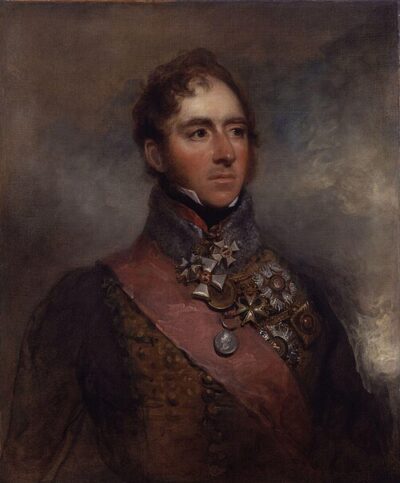 Henry Paget, 1st Marquess of Anglesey (1828–1833)British soldier and politician
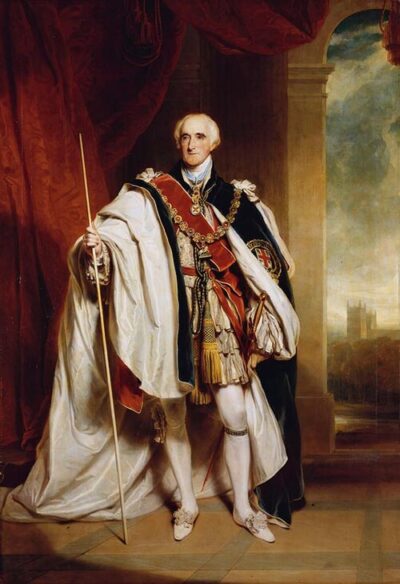 Richard Wellesley, 1st Marquess Wellesley (1821–1834)British politician (1760-1842)
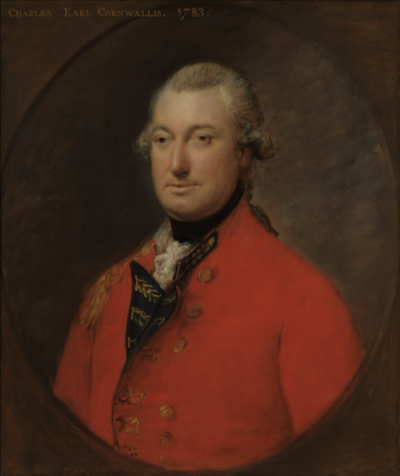 Charles Cornwallis, 1st Marquess Cornwallis (1798–1801)British general, colonial official, diplomat (1738–1805)
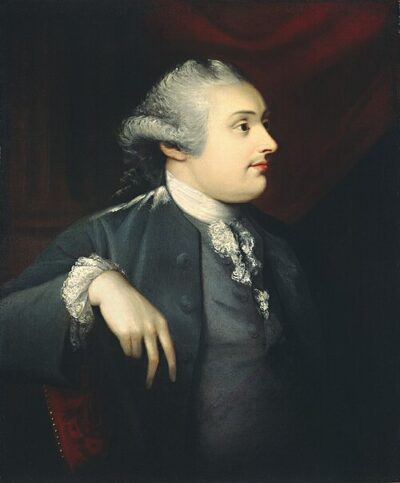 William Cavendish-Bentinck, 3rd Duke of Portland (1782)British politician and prime minister (1738–1809)
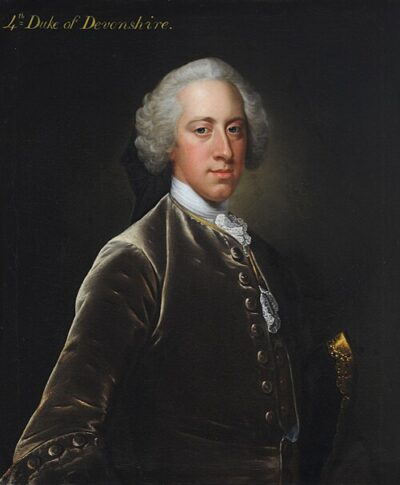 William Cavendish, 4th Duke of Devonshire (1755–1757)former Prime Minister of the United Kingdom
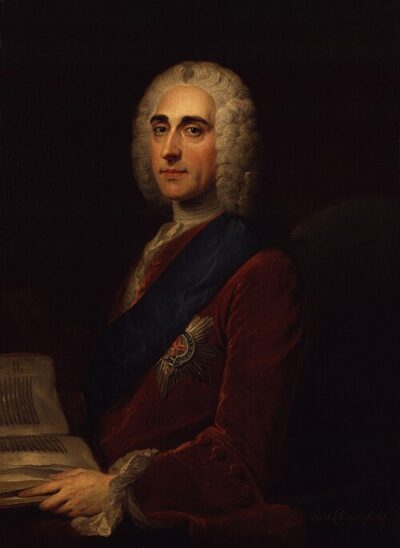 Philip Stanhope, 4th Earl of Chesterfield (1745–1746)18th-century British statesman and man of letters; (1694-1773)
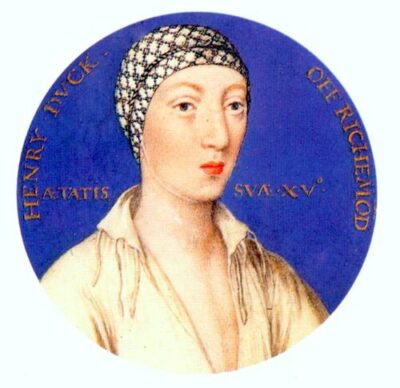 Henry FitzRoy, 1st Duke of Richmond and Somerset (1529–)Royal Bastard of Henry VIII (1519–1536)
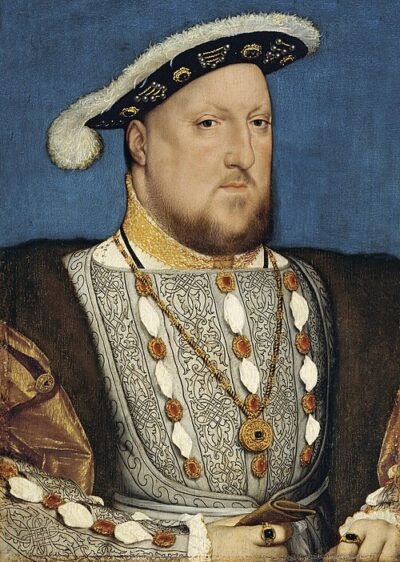 Henry VIII of England (1494–)King of England from 1509 to 1547 (1491–1547)
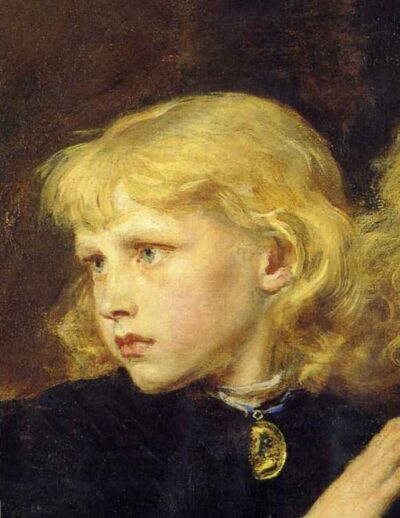 Richard of Shrewsbury, 1st Duke of York (1479–)Second son of King Edward IV of England, younger of the princes in the Tower
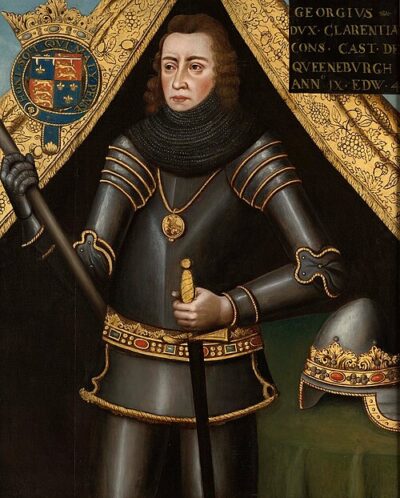 George Plantagenet, 1st Duke of Clarence (1462–1478)Third son of Richard Plantagenet, 3rd Duke of York, and Cecily Neville, and the brother of English Kings Edward IV and Richard III (1449-1478)
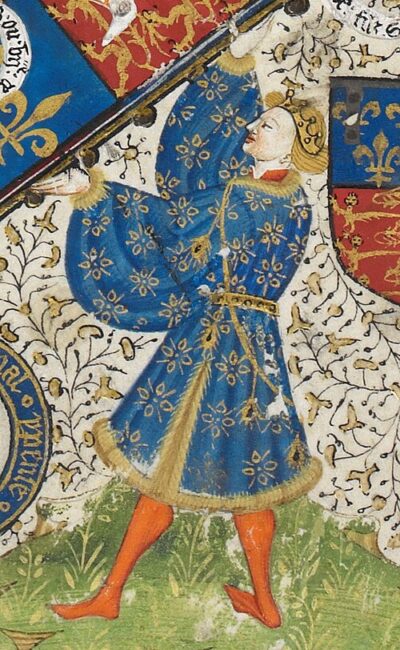 Richard of York, 3rd Duke of York (1447–1459)Duke of York (1411-1461)
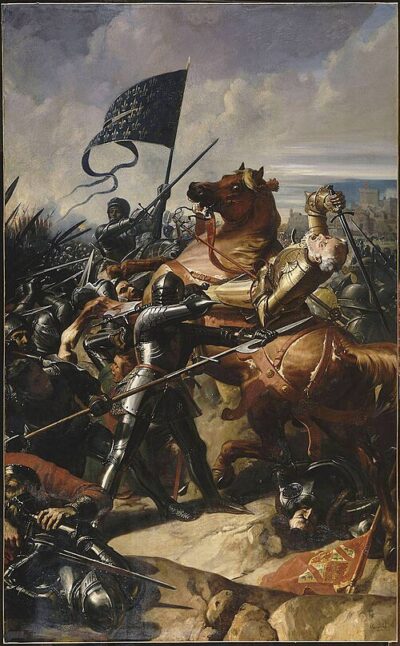 John Talbot, 1st Earl of Shrewsbury (1414–1419)English Earl
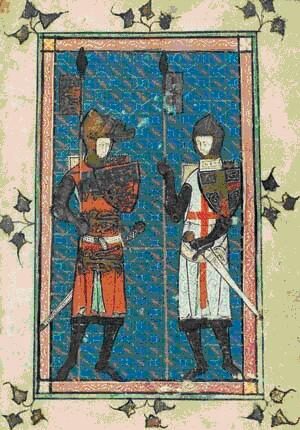 Thomas of Lancaster, 1st Duke of Clarence (1402–1405)Prince of England
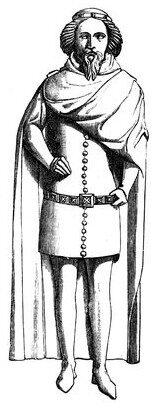 Lionel of Antwerp, 1st Duke of Clarence (1361–)Prince of England
- RRoger Mortimer, 1st Earl of MarchEnglish nobleman and rebel (1287-1330)
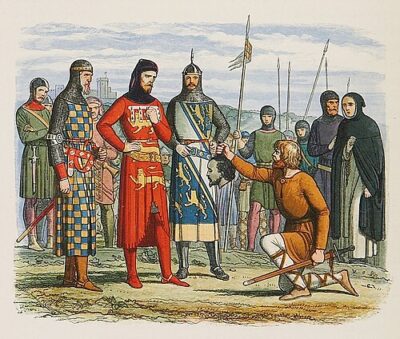 Piers Gaveston, 1st Earl of CornwallFavourite of King Edward II of England (1284-1312)
 Edward of Middleham, Prince of WalesOnly legitimate child of Richard III of England
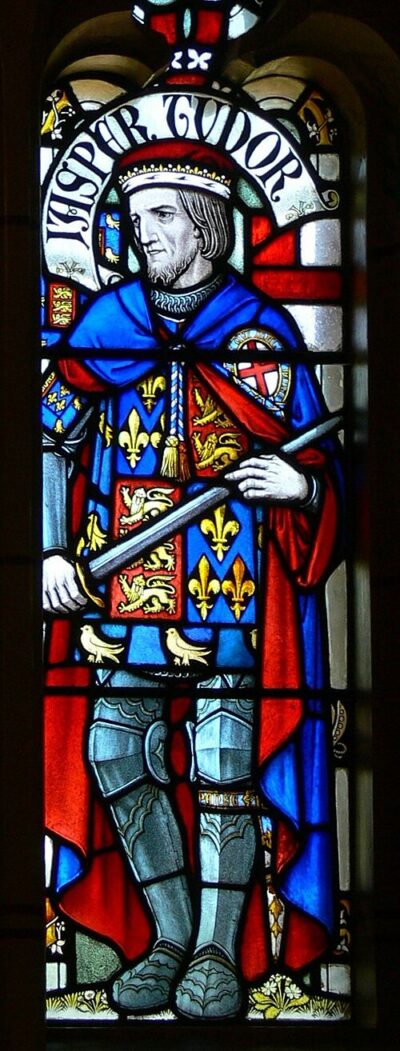 Jasper TudorEnglish duke
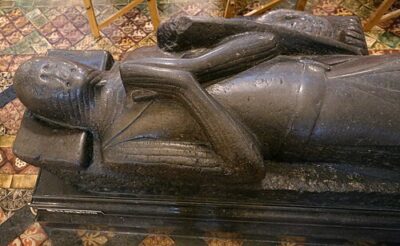 Richard de Clare, 2nd Earl of PembrokeCambro-Norman lord in Ireland
