
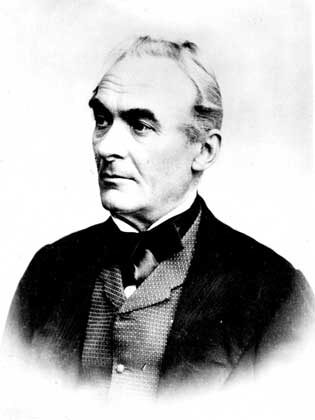
Prosper Mérimée
Prosper Mérimée was a French writer, archaeologist and historian. Born September 28, 1803, in Paris. Died September 23, 1870, in Cannes. Positions held include Second Empire senator and Member of the Académie française (1844–1870). Known for La Vénus d'Ille, Carmen and Homme en Grande Bottes. Educated at Lycée Henri-IV. Awards include Grand Officer of the Legion of Honour.
Facts
35 facts · 2 confirmed by two sources · 18 cited · 15 from one source
Where this comes from
Papalocal keeps its own record. It started from these sources; what each one said is kept here as it was copied, so a change on their side never changes this page by itself. Tap one to read its version.
What Wikidata says · copied November 16, 2026 · revision 2560462280
- Described as
- French writer, archaeologist and historian (1803–1870)
- Other names
- Prosper Merimée, Prosper Merimee, Prosper Mériméé, Próspero Mériméé, Prosper Mérimé, Prospero Merime, Prospero Merimee, Prosper Merime, Prosper Mèrimèe
- Born
- September 28, 1803 · 22 references
- Died
- September 23, 1870 · 25 references
- Born in
- Paris · 4 references
- Died in
- Cannes · 4 references
- Buried in
- Cannes (Grand Jas) Cemetery
- Citizen of
- France · 2 references
- Occupation
- anthropologist; archaeologist; historian; translator; politician · 1 reference; writer · 4 references; painter; playwright · 1 reference
- Positions held
- Second Empire senator · 1 reference; Member of the Académie française (1844–1870) · 1 reference
- Education
- Lycée Henri-IV
- Member of
- Académie Française (1844–1870) · 1 reference; Académie des Inscriptions et Belles-Lettres (1843–1870) · 2 references; Société de l'histoire de France; Société des antiquaires de la Morinie; Accademia delle Arti del Disegno
- Known for
- La Vénus d'Ille; Carmen; Homme en Grande Bottes · 1 reference; Mateo Falcone
- Awards
- Grand Officer of the Legion of Honour
- Field
- creative and professional writing · 1 reference; drama · 1 reference; anthropology · 1 reference; archaeology · 1 reference; history · 1 reference; translation · 1 reference
- Father
- Léonor Mérimée · 1 reference
- Mother
- Anne Louise Moreau
- Wikipedias with a page
- 97
Wikidata item Q160333 (wikidata.org/wiki/Q160333), public domain (CC0). Copied November 16, 2026.
What Wikipedia says · copied November 16, 2026 · revision 1384935091
Prosper Mérimée (French: [pʁɔspɛʁ meʁime]; 28 September 1803 – 23 September 1870) was a French writer in the movement of Romanticism, one of the pioneers of the novella, a short novel or long short story. He was also a noted archaeologist and historian, an important figure in the history of architectural preservation. He is best known for his novella Carmen, which became the basis of Bizet's opera of the same name. He learned Russian, a language for which he had great affection, before translating the work of several notable Russian writers, including Pushkin and Gogol, into French. From 1830 until 1860 he was the inspector of French historical monuments, responsible for the protection of many historic sites, including the medieval citadel of Carcassonne and the restoration of the façade of the cathedral of Notre-Dame de Paris. Along with the writer George Sand, he discovered the series of tapestries called The Lady and the Unicorn, arranging for their preservation. He was instrumental in the creation of Musée national du Moyen Âge in Paris, where the tapestries now are displayed. The official database of French monuments, the Base Mérimée, bears his name.
- Born, in its opening lines
- September 28, 1803
- Died, in its opening lines
- September 23, 1870
From the Wikipedia article “Prosper Mérimée” (en.wikipedia.org/wiki/Prosper_Mérimée), by its contributors, under CC BY-SA 4.0 (creativecommons.org/licenses/by-sa/4.0/). Copied November 16, 2026; not changed.
Confirmed Two sources agree. Cited One source, and it names where it got it. One source One source, without a reference of its own. Sources disagree The sources disagree. We show the best-supported value and keep theirs below.
