
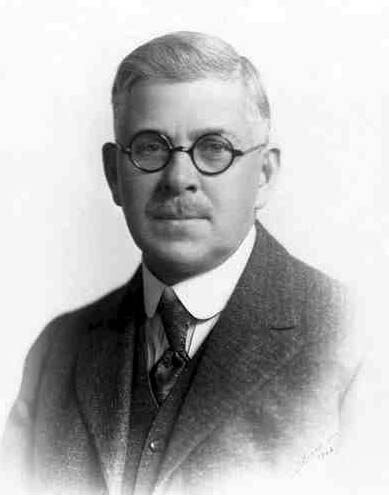
Ransom E. Olds
Ransom E. Olds was an American businessman. Born June 3, 1864, in Geneva. Died August 26, 1950, in Lansing.
Facts
14 facts · 2 confirmed by two sources · 3 cited · 9 from one source
Where this comes from
Papalocal keeps its own record. It started from these sources; what each one said is kept here as it was copied, so a change on their side never changes this page by itself. Tap one to read its version.
What Wikidata says · copied November 15, 2026 · revision 2546942966
- Described as
- American businessman (1864–1950)
- Other names
- Ransom Eli Olds, Ransom Olds, R. E. Olds
- Born
- June 3, 1864 · 3 references
- Died
- August 26, 1950 · 3 references
- Born in
- Geneva
- Died in
- Lansing
- Buried in
- Mount Hope Cemetery · 1 reference
- Citizen of
- United States
- Occupation
- entrepreneur; racing automobile driver; engineer · 1 reference; car designer · 1 reference
- Political party
- Republican Party
- Sport
- auto racing
- Father
- Pliny Fisk Olds · 1 reference
- Mother
- Sarah Olds · 1 reference
- Wikipedias with a page
- 24
Wikidata item Q560676 (wikidata.org/wiki/Q560676), public domain (CC0). Copied November 15, 2026.
What Wikipedia says · copied November 15, 2026 · revision 1374096968
Ransom Eli Olds (June 3, 1864 – August 26, 1950) was an American businessman and executive who was known as a pioneer of the American automotive industry, after whom the Oldsmobile and REO brands were named. He claimed to have built his first steam car as early as 1887 and his first gasoline-powered car in 1896. The modern assembly line and its basic concept is credited to Olds, who used it to build the first mass-produced automobile, the Oldsmobile Curved Dash, beginning in 1901.
- Born, in its opening lines
- June 3, 1864
- Died, in its opening lines
- August 26, 1950
From the Wikipedia article “Ransom E. Olds” (en.wikipedia.org/wiki/Ransom_E._Olds), by its contributors, under CC BY-SA 4.0 (creativecommons.org/licenses/by-sa/4.0/). Copied November 15, 2026; not changed.
Confirmed Two sources agree. Cited One source, and it names where it got it. One source One source, without a reference of its own. Sources disagree The sources disagree. We show the best-supported value and keep theirs below.
