
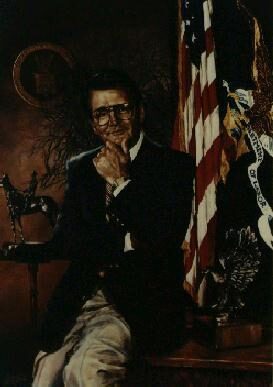
Raymond J. Donovan
Raymond J. Donovan was an American businessman and politician. Born August 31, 1930, in Bayonne. Died June 2, 2021, in New Vernon. Positions held include United States Secretary of Labor (1981–1985). Educated at Notre Dame Seminary and St. Peter's Preparatory School.
Facts
12 facts · 2 confirmed by two sources · 1 cited · 9 from one source
Where this comes from
Papalocal keeps its own record. It started from these sources; what each one said is kept here as it was copied, so a change on their side never changes this page by itself. Tap one to read its version.
What Wikidata says · copied November 19, 2026 · revision 2558337005
- Described as
- American businessman and politician (1930–2021)
- Other names
- Raymond James Donovan
- Born
- August 31, 1930 · 1 reference
- Died
- June 2, 2021 · 1 reference
- Born in
- Bayonne
- Died in
- New Vernon
- Cause of death
- heart failure · 1 reference
- Citizen of
- United States
- Occupation
- politician; businessperson · 1 reference
- Positions held
- United States Secretary of Labor (1981–1985)
- Political party
- Republican Party
- Education
- Notre Dame Seminary; St. Peter's Preparatory School
- Wikipedias with a page
- 12
Wikidata item Q2134162 (wikidata.org/wiki/Q2134162), public domain (CC0). Copied November 19, 2026.
What Wikipedia says · copied November 19, 2026 · revision 1366206761
Raymond James Donovan (August 31, 1930 – June 2, 2021) was an American business executive and politician. He served as U.S. Secretary of Labor under President Ronald Reagan from 1981 to 1985. He resigned after being the first serving member of the Cabinet of the United States to be indicted, but was ultimately acquitted in 1987.
- Born, in its opening lines
- August 31, 1930
- Died, in its opening lines
- June 2, 2021
From the Wikipedia article “Raymond J. Donovan” (en.wikipedia.org/wiki/Raymond_J._Donovan), by its contributors, under CC BY-SA 4.0 (creativecommons.org/licenses/by-sa/4.0/). Copied November 19, 2026; not changed.
Confirmed Two sources agree. Cited One source, and it names where it got it. One source One source, without a reference of its own. Sources disagree The sources disagree. We show the best-supported value and keep theirs below.
