
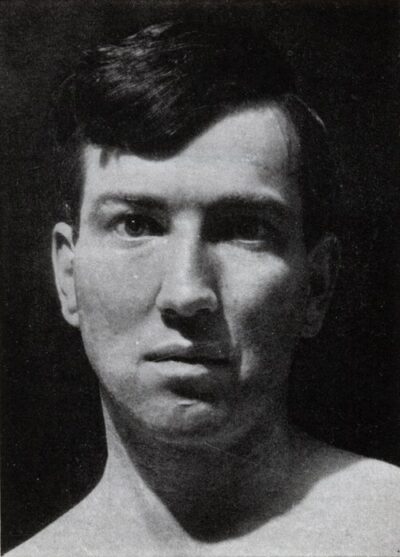
Robert Graves
Robert Graves was an English poet and novelist. Born July 24, 1895, in Wimbledon. Died December 7, 1985, in Deià. Known for I, Claudius, The White Goddess and The Greek Myths. Educated at King's College School and St John's College. Awards include James Tait Black Memorial Prize, King’s / Queen’s Gold Medal for Poetry and Russell Loines Award for Poetry.
Facts
45 facts · 2 confirmed by two sources · 16 cited · 27 from one source
Where this comes from
Papalocal keeps its own record. It started from these sources; what each one said is kept here as it was copied, so a change on their side never changes this page by itself. Tap one to read its version.
What Wikidata says · copied November 16, 2026 · revision 2565596904
- Described as
- English poet and novelist (1895-1985)
- Other names
- Robert Ranke Graves, Robert von Ranke Graves, Robert von Ranke-Graves, Robert Von Ranke-Graves
- Born
- July 24, 1895 · 6 references
- Died
- December 7, 1985 · 11 references
- Born in
- Wimbledon · 2 references
- Died in
- Deià · 2 references
- Buried in
- Deià
- Name at birth
- Robert von Ranke Graves
- Citizen of
- United Kingdom
- Occupation
- poet · 3 references; novelist · 1 reference; translator; playwright; screenwriter · 1 reference; university teacher · 1 reference; military personnel; literary critic
- Worked for
- University of Oxford
- Education
- King's College School; St John's College; Charterhouse School; Copthorne Preparatory School; Hillbrow School
- Genre
- essay
- Known for
- I, Claudius; The White Goddess; The Greek Myths
- Awards
- James Tait Black Memorial Prize (1934); King’s / Queen’s Gold Medal for Poetry; Russell Loines Award for Poetry; Hawthornden Prize (1935)
- Field
- literary studies
- Spouse
- Nancy Nicholson (–1949); Beryl Pritchard · 1 reference
- Children
- Lucia Graves · 1 reference; Tomás Graves · 1 reference; Jennifer Graves · 1 reference; David Graves · 1 reference; Catherine Graves · 1 reference; Samuel Graves · 1 reference; William Graves · 1 reference; Juan Graves · 1 reference
- Father
- Alfred Perceval Graves · 1 reference
- Mother
- Amalie von Ranke · 1 reference
- Siblings
- Philip Graves
- Military branch
- British Army
- Military rank
- captain
- Wikipedias with a page
- 77
Wikidata item Q201732 (wikidata.org/wiki/Q201732), public domain (CC0). Copied November 16, 2026.
What Wikipedia says · copied November 16, 2026 · revision 1379806744
Robert Ranke Graves (24 July 1895 – 7 December 1985), whose second name is sometimes given as von Ranke, was an English poet, novelist and critic. His father was Alfred Perceval Graves, a celebrated Irish poet and figure in the Gaelic revival; they were both Celticists and students of Irish mythology.
Robert Graves produced more than 140 works in his lifetime. His poems, his translations, and innovative analysis of the Greek myths, his memoir of his early life—including his role in the First World War, Good-Bye to All That (1929), and his speculative study of poetic inspiration in The White Goddess (1948), have never been out of print. He was also a renowned short story writer, with work such as "The Tenement" still read.
Graves earned his living from writing, particularly popular historical novels such as I, Claudius (1934), Count Belisarius (1938), and King Jesus (1946). He was also a prominent translator of Classical Latin and Ancient Greek texts; his versions of The Twelve Caesars and The Golden Ass remain popular for their clarity and entertaining style. Graves was awarded the 1934 James Tait Black Memorial Prize for both I, Claudius and Claudius the God.
Graves's eldest half-brother Philip achieved success as a journalist, and his younger brother Charles was a writer and journalist.
- Born, in its opening lines
- July 24, 1895
- Died, in its opening lines
- December 7, 1985
From the Wikipedia article “Robert Graves” (en.wikipedia.org/wiki/Robert_Graves), by its contributors, under CC BY-SA 4.0 (creativecommons.org/licenses/by-sa/4.0/). Copied November 16, 2026; not changed.
Confirmed Two sources agree. Cited One source, and it names where it got it. One source One source, without a reference of its own. Sources disagree The sources disagree. We show the best-supported value and keep theirs below.
