
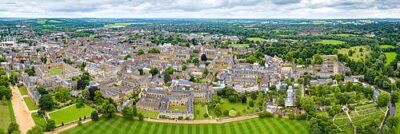
University of Oxford
The University of Oxford is a collegiate research university in Oxford, England. It was founded in 1096. 19,791 students study there.
- Located in
- Oxford
- Country
- United Kingdom
- Founded
- 1096
- Students
- 19,791
- What it is
- collegiate university
All 9 facts, and where they come from
Facts
9 facts · 0 confirmed by two sources · 4 cited · 5 from one source
Where this comes from
Papalocal keeps its own record. It started from these sources; what each one said is kept here as it was copied, so a change on their side never changes this page by itself. Tap one to read its version.
What Wikidata says · copied November 16, 2026 · revision 2565383455
- Described as
- collegiate research university in Oxford, England
- Other names
- Oxford University, Oxon., Oxf, Universitas Oxoniensis, Oxford, Univ. of Oxford, The University of Oxford
- What it is
- collegiate university; exempt charity; public university
- Founded
- 1096 · 1 reference
- Headquarters
- Oxford · 1 reference
- Located in
- Oxford · 1 reference
- Country
- United Kingdom · 4 references
- Students
- 19,791 · 1 reference
- Official website
- https://ox.ac.uk/ · 1 reference
- Wikipedias with a page
- 149
Wikidata item Q34433 (wikidata.org/wiki/Q34433), public domain (CC0). Copied 2026-11-16.
What Wikipedia says · copied November 16, 2026 · revision 1385384414
The University of Oxford is a collegiate research university in Oxford, England. There is evidence of teaching as early as 1096, making it the oldest university in the English-speaking world and the world's second-oldest university in continuous operation. It grew rapidly from 1167, when Henry II prohibited English students from attending the University of Paris. After escalating conflict between students and the Oxford townspeople, some Oxford academics fled northeast to Cambridge, where they established the University of Cambridge in 1209. The two universities share many common features and are jointly referred to as Oxbridge.
The University of Oxford is made up of 43 colleges – of which 36 are chartered colleges (independent bodies), 4 are permanent private halls (owned by religious organisations), and 3 are societies (controlled by the university) – and a range of academic departments that are organised into four divisions. Colleges control their own membership and activities. Typically, social life for students is centred around fellow college members. All students are members of a college. Oxford does not have a main campus. Its buildings and facilities are scattered throughout the city centre and around the town. Undergraduate teaching at the university consists of lectures, small-group tutorials at the colleges and halls, seminars, laboratory work and tutorials provided by the central university faculties and departments. Postgraduate teaching is provided in a predominantly centralised fashion.
Oxford operates the Ashmolean Museum, the world's oldest university museum; Oxford University Press, the largest university press in the world; and the largest academic library system nationwide. In the fiscal year ending 31 July 2025, the university had a total consolidated income of £3.02 billion, of which £801.3 million was from research grants and contracts.
Oxford has educated a wide range of notable alumni, including 31 prime ministers of the United Kingdom and many heads of state and government around the world. As of October 2025, 76 Nobel Prize laureates, four Fields Medalists, and six Turing Award winners have matriculated, worked, or held visiting fellowships at the University of Oxford. Its alumni have won 160 Olympic medals. Oxford is home to a number of scholarships, including the Rhodes Scholarship, one of the oldest international graduate scholarship programmes in the world.
From the Wikipedia article “University of Oxford” (en.wikipedia.org/wiki/University_of_Oxford), by its contributors, under CC BY-SA 4.0 (creativecommons.org/licenses/by-sa/4.0/). Copied 2026-11-16; not changed.
Confirmed Two sources agree. Cited One source, and it names where it got it. One source One source, without a reference of its own. Sources disagree The sources disagree. We show the best-supported value and keep theirs below.
Picture: Chensiyuan, via Wikimedia Commons · CC BY-SA 4.0
People connected 384
Studied here 215
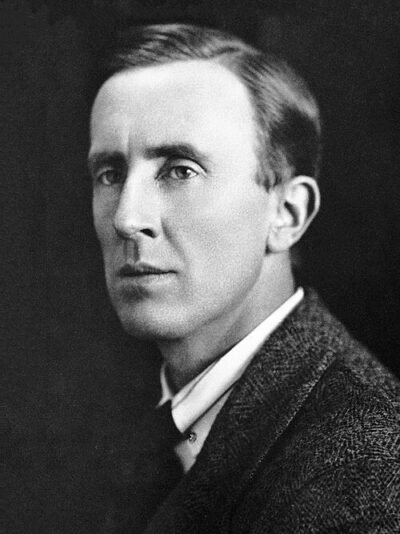 J. R. R. Tolkien (1911–1915)English writer and philologist (1892–1973)
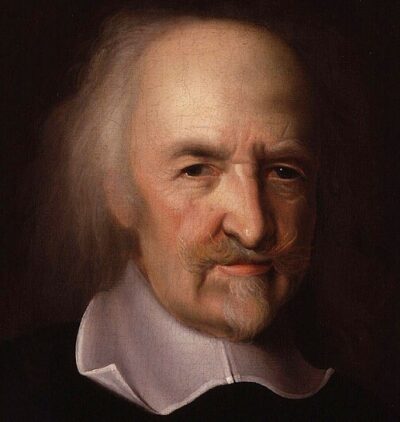 Thomas Hobbes (1603–1608)English philosopher (1588–1679)
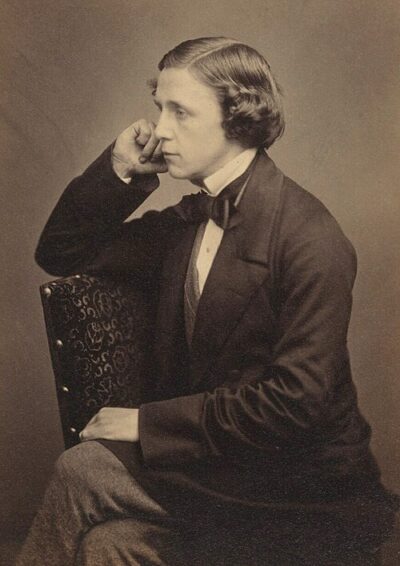 Lewis Carroll (1851–1857)British author and scholar (1832–1898)
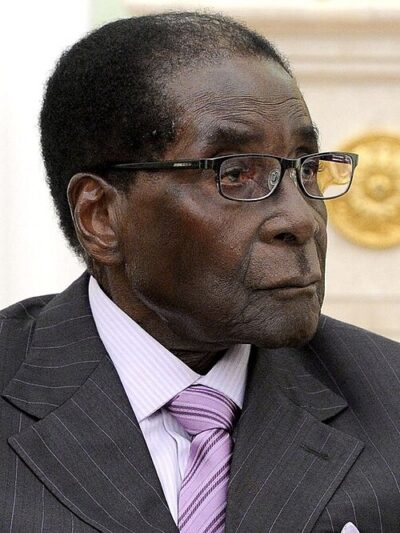 Robert Mugabe2nd President of Zimbabwe from 1987 to 2017
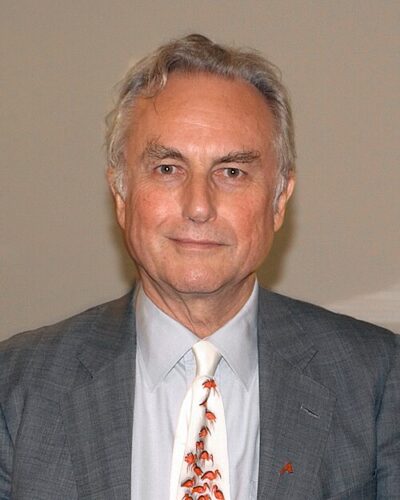 Richard Dawkins (–1966)English ethologist, evolutionary biologist and author (born 1941)
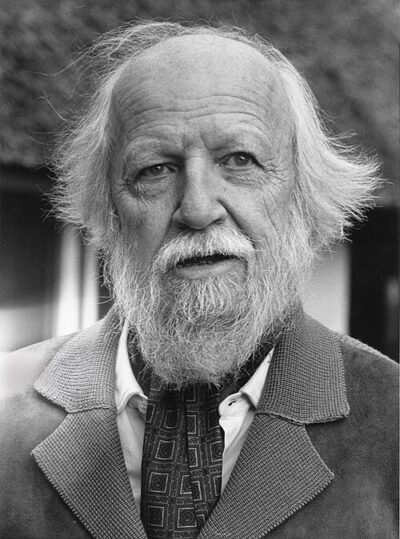 William GoldingBritish novelist, poet, playwright and Nobel Prize for Literature laureate (1911–1993)
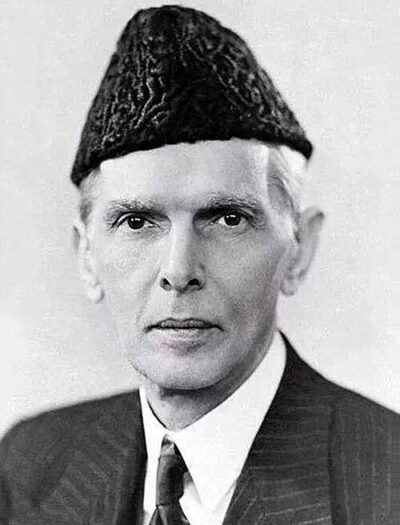 Mohammad Ali Jinnah (1887–1892)politician and the founder of Pakistan (1876–1948)
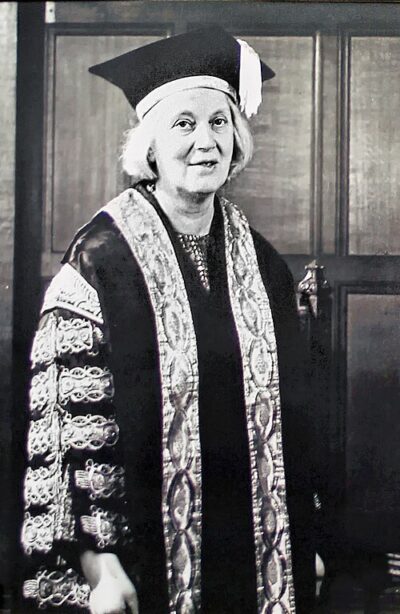 Dorothy HodgkinBritish chemist
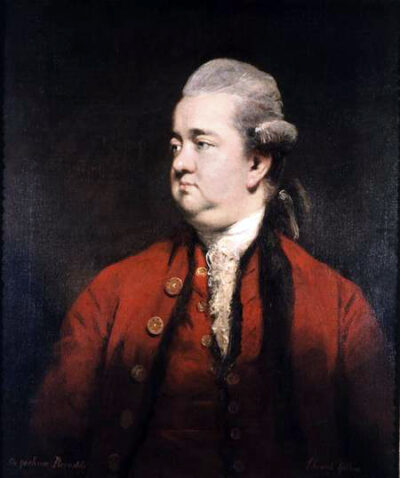 Edward GibbonEnglish historian and politician (1737–1794)
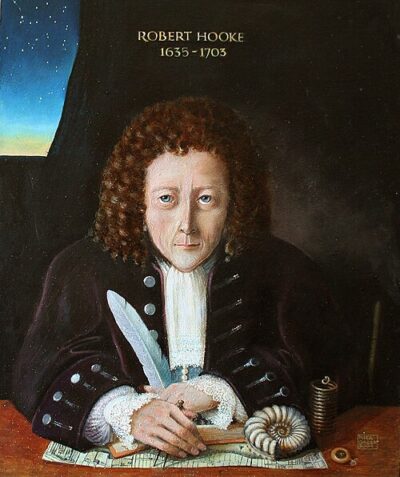 Robert Hooke (–1663)English natural philosopher, architect and polymath (1635 — 1703)
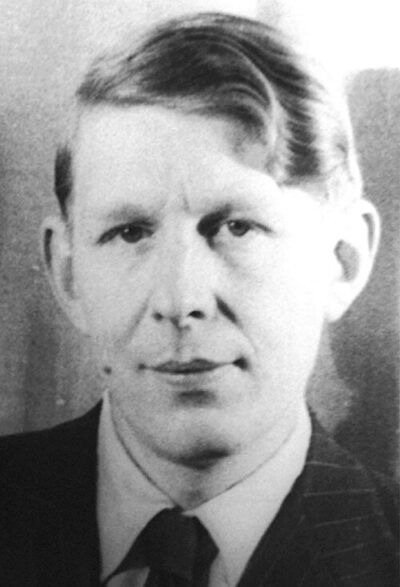 W. H. Auden (–1928)British-American poet (1907–1973)
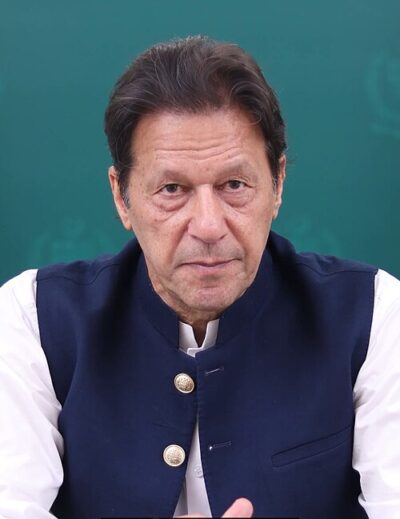 Imran KhanPrime Minister of Pakistan from 2018 to 2022
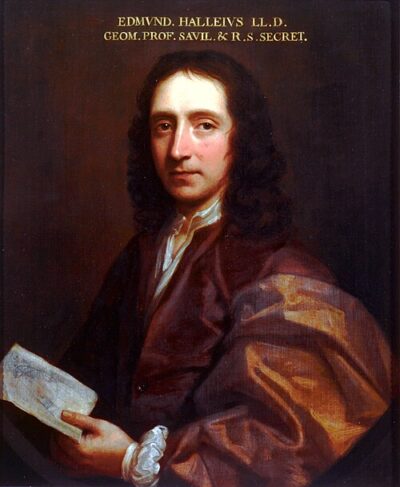 Edmond Halley (–1678)English astronomer, mathematician, geophysicist, meteorologist and physicist (1656–1742)
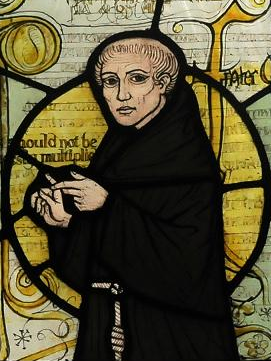 William of OckhamEnglish Franciscan friar and theologian (c.1287–1347)
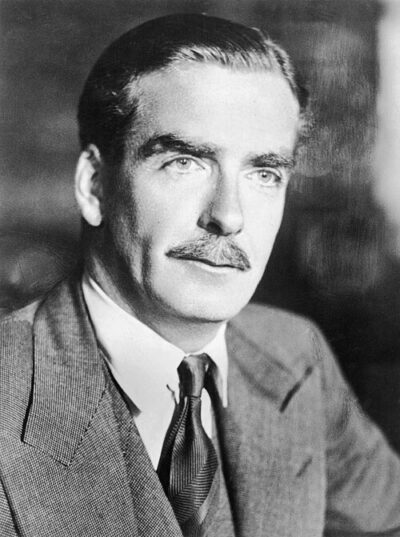 Anthony EdenBritish soldier, diplomat and politician (1897–1977)
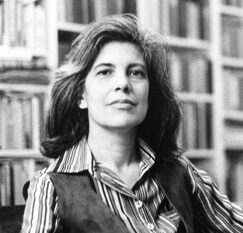 Susan SontagAmerican writer and filmmaker, professor, and activist (1933–2004)
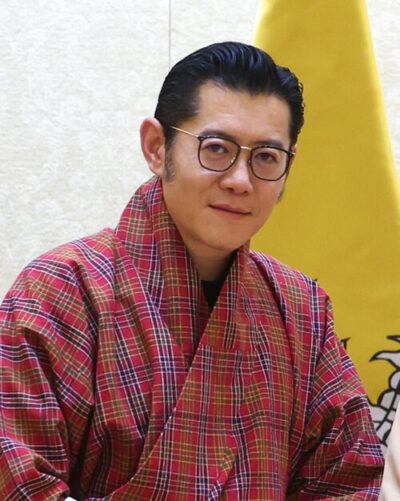 Jigme Khesar Namgyel Wangchuckfifth and reigning King of Bhutan
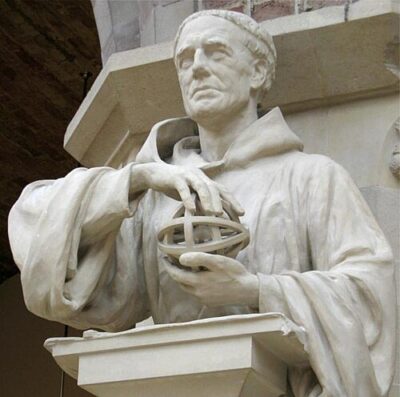 Roger BaconEnglish polymath, philosopher and friar (c.1219/20–c.1292)
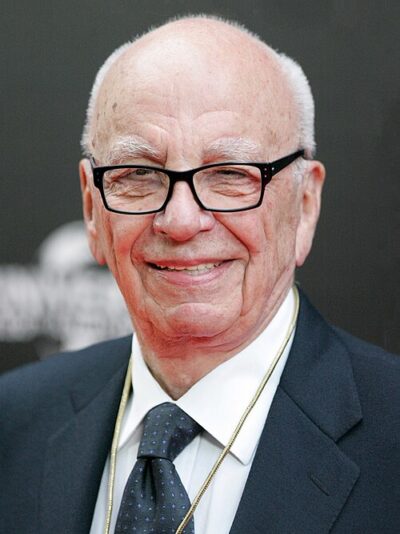 Rupert Murdoch (–1953)American businessman
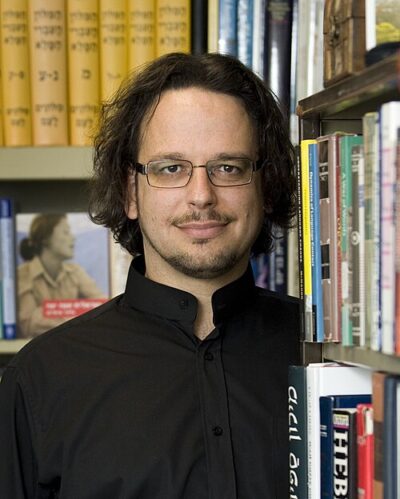 Ghil'ad Zuckermann (1997–2000)Linguist, language revivalist, professor, author, hyperpolyglot
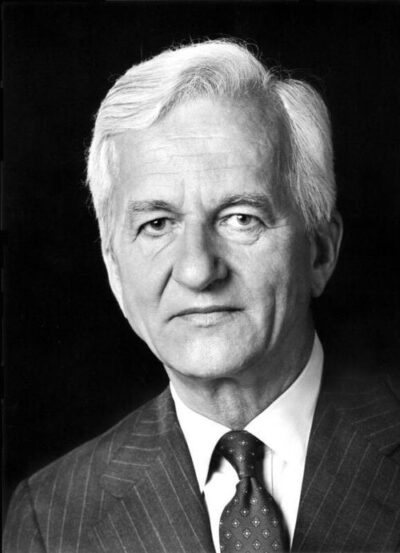 Richard von WeizsäckerPresident of Germany from 1984 to 1994
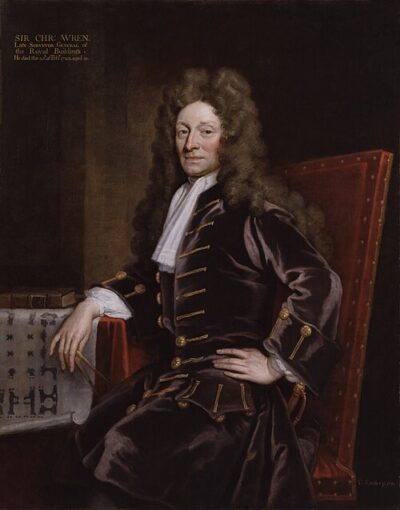 Christopher Wren (1651–1653)English architect (1632–1723)
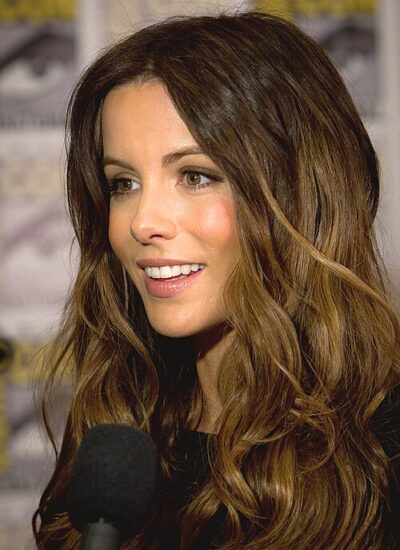 Kate BeckinsaleEnglish actress (born 1973)
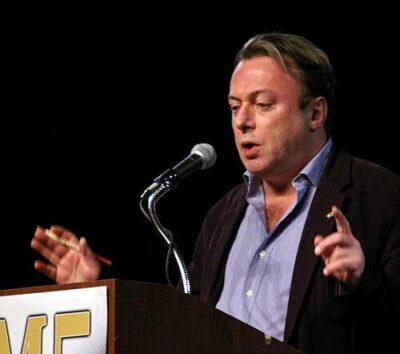 Christopher HitchensEnglish American author and journalist (1949–2011)
and 191 more
Worked here 199
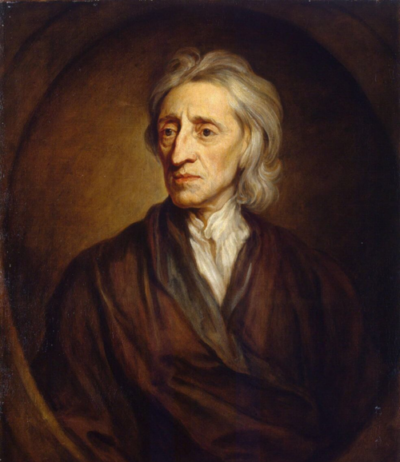 John LockeEnglish philosopher and physician (1632-1704)
- J. R. R. Tolkien (1925–1959)English writer and philologist (1892–1973)
- Lewis Carroll (1856–1881)British author and scholar (1832–1898)
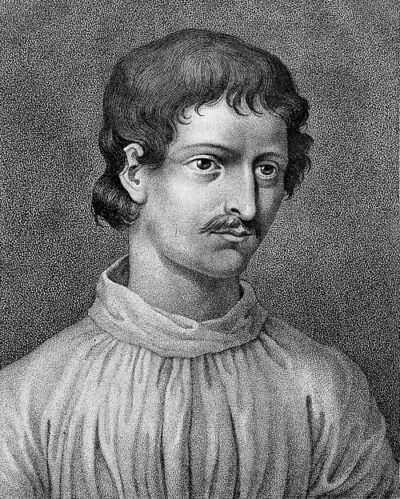 Giordano Bruno (1583)Italian Dominican friar, philosopher and mathematician (1548–1600)
- Richard Dawkins (1970–2008)English ethologist, evolutionary biologist and author (born 1941)
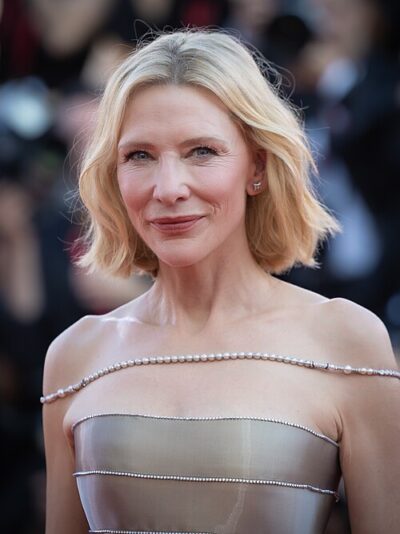 Cate Blanchett (2026–)Australian actor and producer (born 1969)
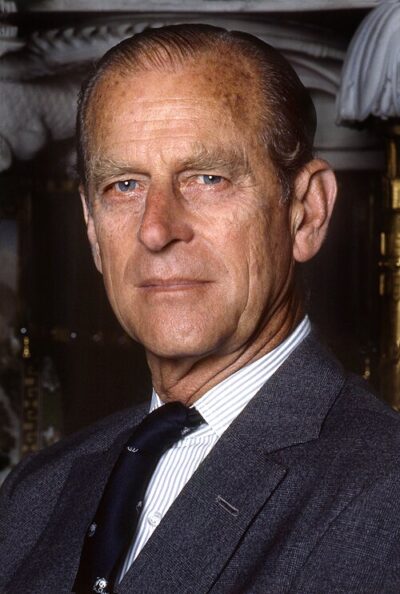 Prince Philip, Duke of Edinburghconsort of Elizabeth II from 1952 to 2021 (1921-2021)
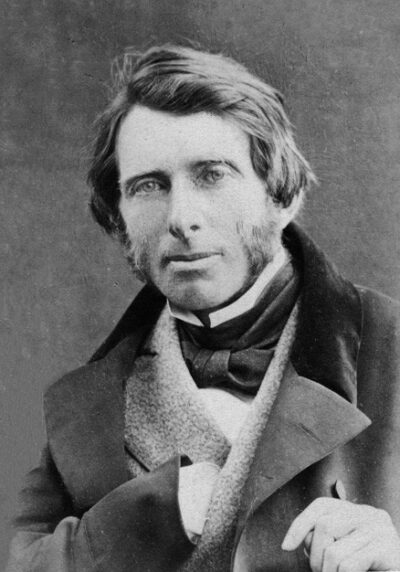 John RuskinEnglish writer and art critic (1819–1900)
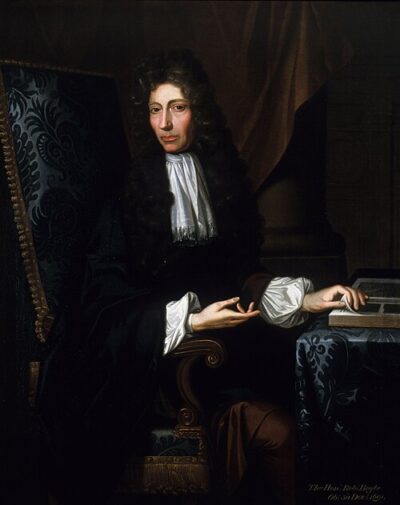 Robert Boyle (1654–1668)Anglo-Irish natural philosopher, chemist, physicist, and inventor (1627-1691)
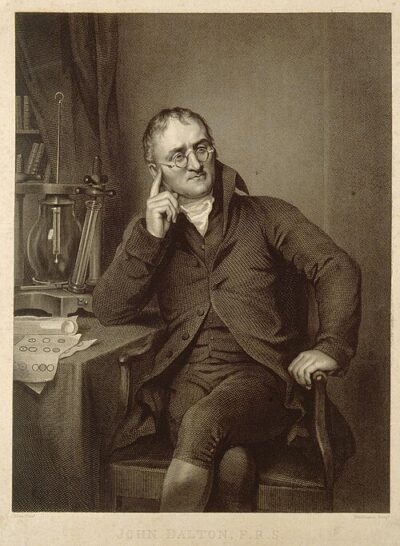 John DaltonBritish chemist and mathematician (1766–1844)
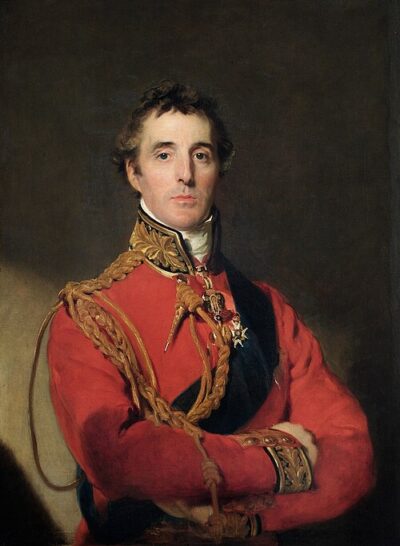 Arthur Wellesley, 1st Duke of WellingtonBritish Field Marshal, Prime Minister of the United Kingdom, 1828–1830, 1834 (1769-1852)
- Edmond Halley (1704–1942)English astronomer, mathematician, geophysicist, meteorologist and physicist (1656–1742)
- William of OckhamEnglish Franciscan friar and theologian (c.1287–1347)
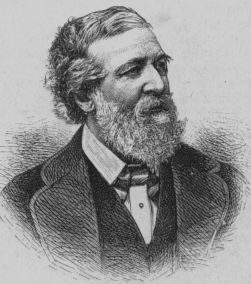 Robert BrowningEnglish poet and playwright (1812–1889)
- Roger BaconEnglish polymath, philosopher and friar (c.1219/20–c.1292)
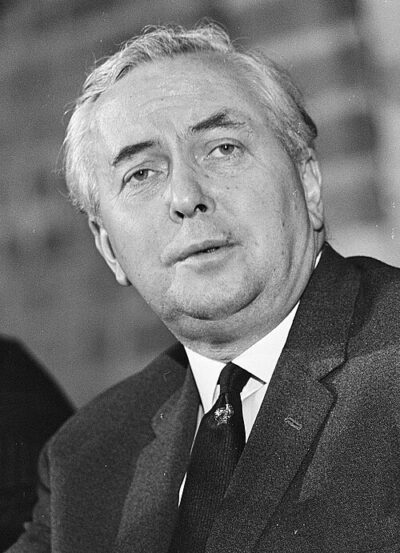 Harold WilsonPrime Minister of the United Kingdom from 1964-1970 and 1974-1976 (1916–1995)
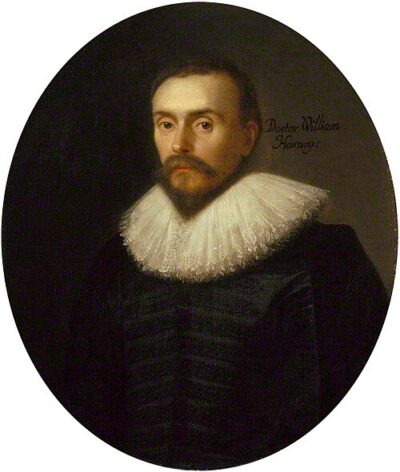 William HarveyEnglish physician (1578-1657)
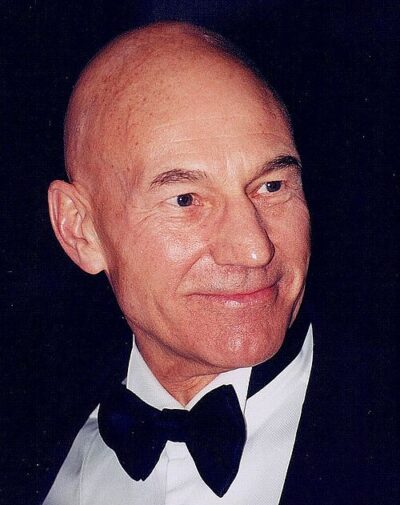 Patrick StewartEnglish actor (1940–2026)
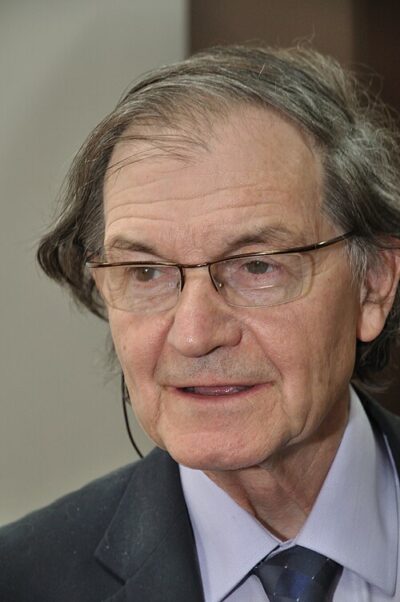 Roger Penrose (1973–1998)English mathematical physicist, recreational mathematician and philosopher
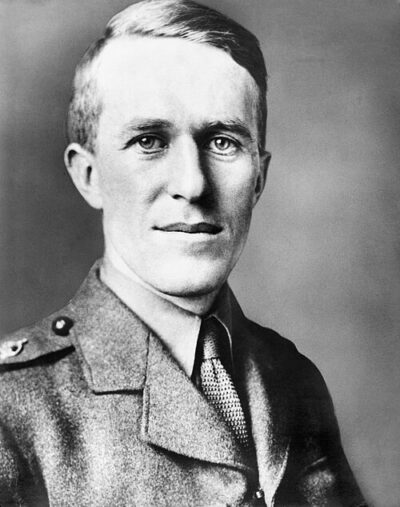 T. E. LawrenceBritish archaeologist, army officer and diplomat (1888–1935)
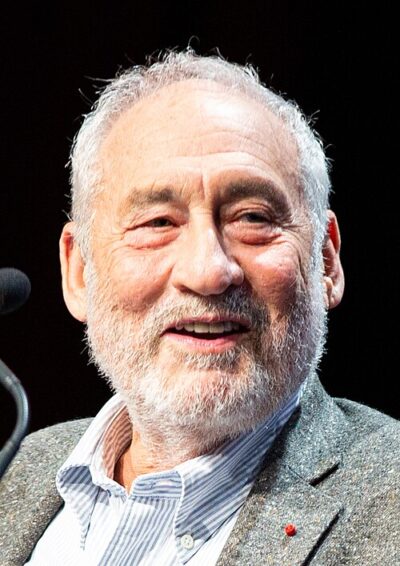 Joseph Stiglitz (1976–1979)American economist, professor, and recipient of the Nobel Memorial Prize in Economics
- Christopher Wren (1661–1673)English architect (1632–1723)
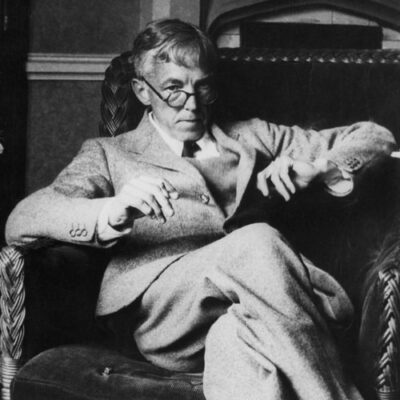 G.H. Hardy (1919–1931)British mathematician (1877–1947)
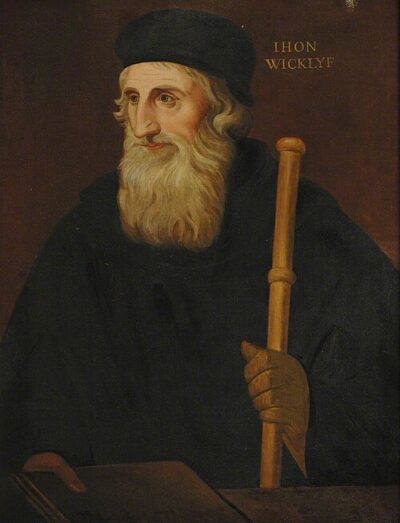 John WycliffeEnglish theologian and dissident in the Roman Catholic Church
and 175 more
