
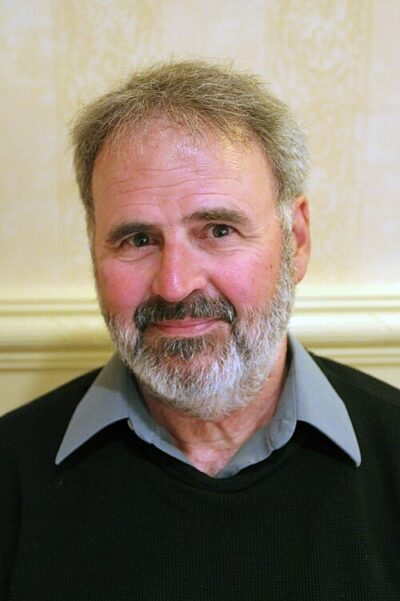
Robert Todd Carroll
Robert Todd Carroll was an American philosopher. Born May 18, 1945, in Joliet. Died August 25, 2016, in Davis. Educated at University of California, San Diego. Awards include Fellow of the Committee for Skeptical Inquiry.
Facts
15 facts · 2 confirmed by two sources · 1 cited · 12 from one source
Where this comes from
Papalocal keeps its own record. It started from these sources; what each one said is kept here as it was copied, so a change on their side never changes this page by itself. Tap one to read its version.
What Wikidata says · copied November 18, 2026 · revision 2569196279
- Described as
- American philosopher
- Born
- May 18, 1945
- Died
- August 25, 2016
- Born in
- Joliet
- Died in
- Davis
- Citizen of
- United States
- Occupation
- writer; professor; philosopher · 1 reference
- Worked for
- University of California, San Diego; Sacramento City College · 1 reference
- Education
- University of California, San Diego
- Awards
- Fellow of the Committee for Skeptical Inquiry
- Field
- philosophy
- Religion
- atheism
- Website
- http://nederlands.skepdic.com/
- Wikipedias with a page
- 18
Wikidata item Q73356 (wikidata.org/wiki/Q73356), public domain (CC0). Copied November 18, 2026.
What Wikipedia says · copied November 18, 2026 · revision 1380080368
Robert Todd Carroll (May 18, 1945 – August 25, 2016) was an American author, philosopher and academic, best known for The Skeptic's Dictionary. He described himself as a naturalist, an atheist, a materialist, a metaphysical libertarian, and a positivist. In 2010 he was elected a fellow of the Committee for Skeptical Inquiry. He was a professor of philosophy at Sacramento City College from 1977 until his retirement in 2007.
- Born, in its opening lines
- May 18, 1945
- Died, in its opening lines
- August 25, 2016
From the Wikipedia article “Robert Todd Carroll” (en.wikipedia.org/wiki/Robert_Todd_Carroll), by its contributors, under CC BY-SA 4.0 (creativecommons.org/licenses/by-sa/4.0/). Copied November 18, 2026; not changed.
Confirmed Two sources agree. Cited One source, and it names where it got it. One source One source, without a reference of its own. Sources disagree The sources disagree. We show the best-supported value and keep theirs below.
