professor
Professor is an academic position at universities and other education and research institutions.
All 4 facts, and where they come from
Facts
4 facts · 0 confirmed by two sources · 0 cited · 4 from one source
Where this comes from
Papalocal keeps its own record. It started from these sources; what each one said is kept here as it was copied, so a change on their side never changes this page by itself. Tap one to read its version.
What Wikidata says · copied November 16, 2026 · revision 2561064827
- Described as
- academic position at universities and other education and research institutions
- Other names
- Prof., prof.
- What it is
- title of authority; style; academic rank
- Followed by
- professor emeritus
- Wikipedias with a page
- 106
Wikidata item Q121594 (wikidata.org/wiki/Q121594), public domain (CC0). Copied 2026-11-16.
What Wikipedia says · copied November 16, 2026 · revision 1378463608
Professor (commonly abbreviated as Prof.) is an academic rank at universities and other post-secondary education and research institutions in most countries. Literally, professor derives from Latin as a 'person who professes'. Professors are usually experts in their field and teachers of the highest rank.
In most systems of academic ranks, "professor" as an unqualified title refers only to the most senior academic position, sometimes informally known as "full professor". In some countries and institutions, the word professor is also used in titles of lower ranks such as associate professor and assistant professor. This is particularly the case in the United States, where the unqualified word is also used colloquially to refer to associate and assistant professors, and often to instructors or lecturers, as well.
Professors often conduct original research and commonly teach undergraduate, postgraduate, or professional courses in their fields of expertise. In universities with graduate schools, professors may mentor and supervise graduate students conducting research for a thesis or dissertation. In many universities, full professors take on senior managerial roles such as leading departments, research teams and institutes, and filling roles such as president, principal or vice-chancellor. The role of professor may be more public-facing than that of more junior staff, and professors are expected to be national or international leaders in their field of expertise.
From the Wikipedia article “Professor” (en.wikipedia.org/wiki/Professor), by its contributors, under CC BY-SA 4.0 (creativecommons.org/licenses/by-sa/4.0/). Copied 2026-11-16; not changed.
Confirmed Two sources agree. Cited One source, and it names where it got it. One source One source, without a reference of its own. Sources disagree The sources disagree. We show the best-supported value and keep theirs below.
Picture: Wikimedia Commons: Laurentius de Voltolina 001.jpg · See Commons file page
People connected 347
Occupation 214
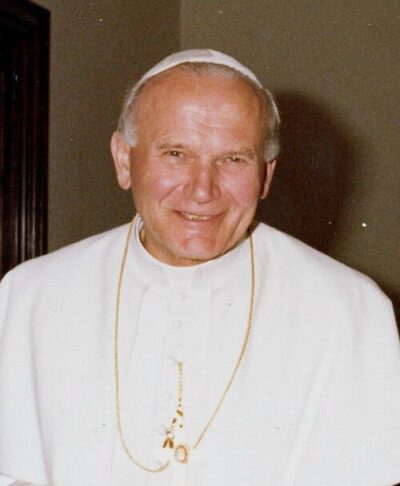 John Paul IIpope, cardinal, bishop, priest, author
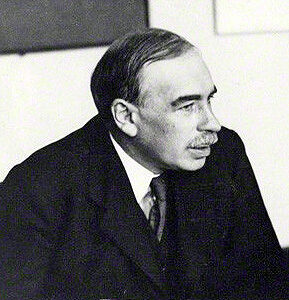 John Maynard KeynesBritish economist (1883–1946)
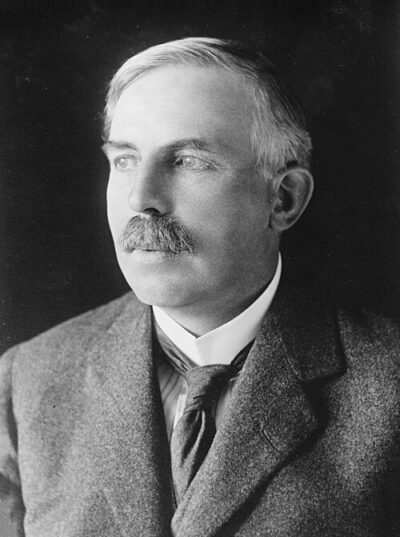 Ernest RutherfordNew Zealand physicist (1871–1937)
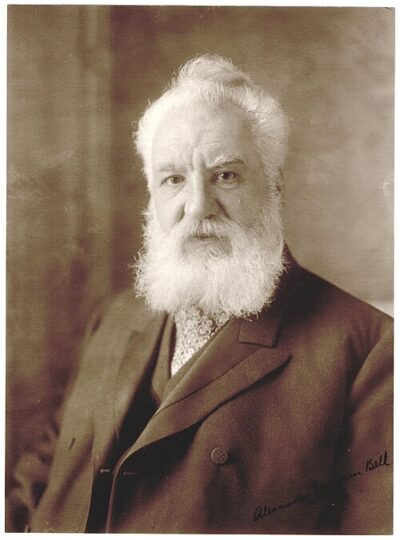 Alexander Graham BellCanadian-American scientist inventor of telephone (1847–1922)
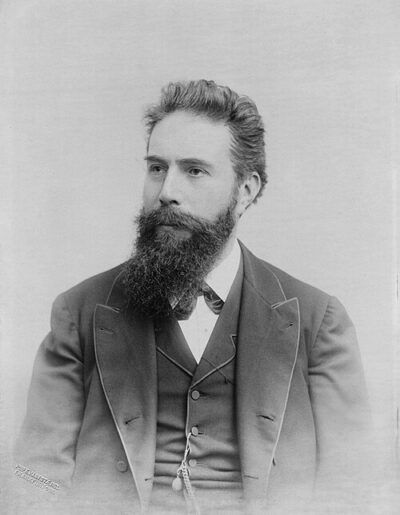 Wilhelm RöntgenGerman physicist (1845–1923)
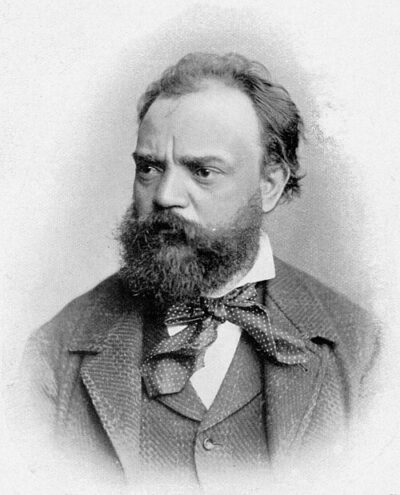 Antonín DvořákCzech composer (1841–1904)
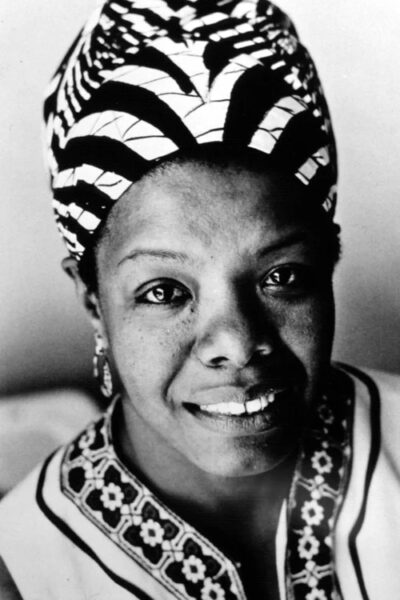 Maya AngelouAmerican poet, author, and civil rights activist (1928–2014)
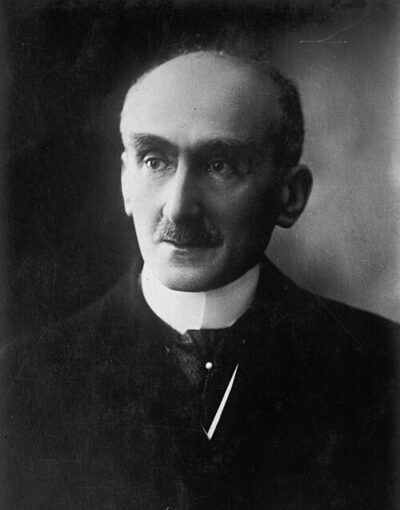 Henri BergsonFrench philosopher (1859–1941)
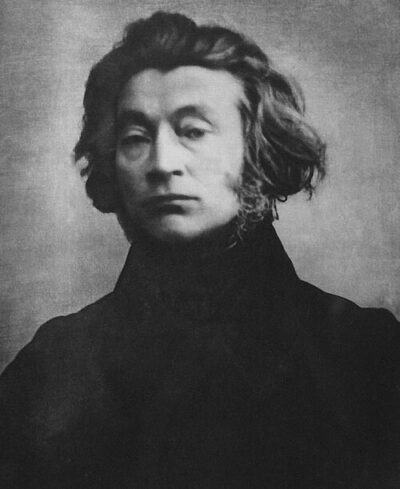 Adam MickiewiczPolish national poet, dramatist, essayist, publicist, translator, and political activist (1798-1855)
 Michel FoucaultFrench philosopher (1926–1984)
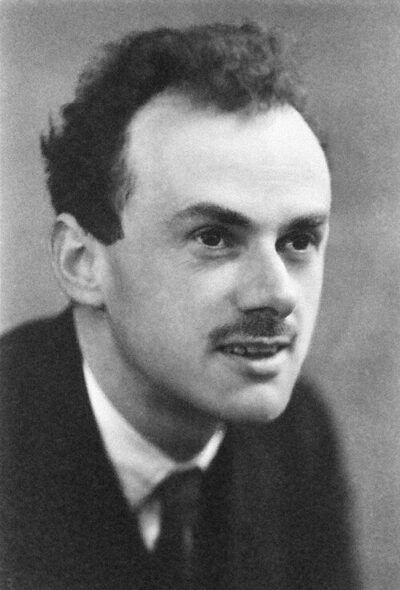 Paul DiracBritish theoretical physicist (1902–1984)
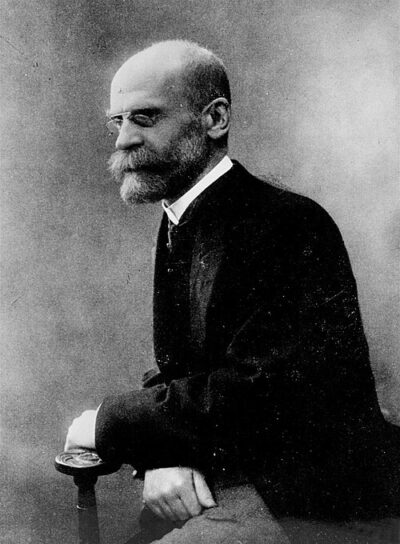 Émile DurkheimFrench sociologist (1858–1917)
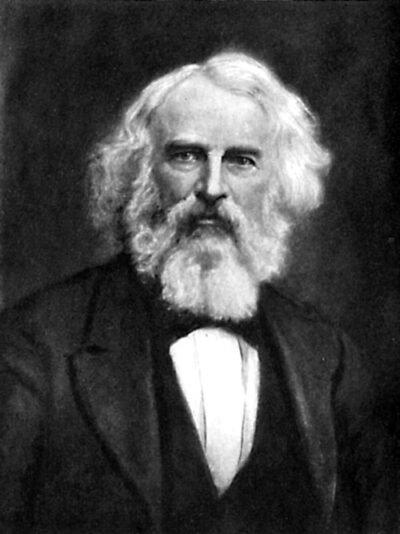 Henry Wadsworth LongfellowAmerican poet and educator (1807–1882)
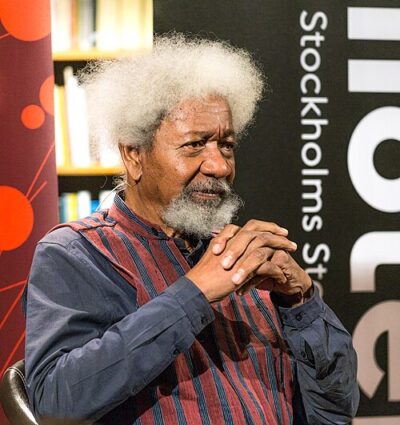 Wole SoyinkaNigerian writer and playwright (born 1934)
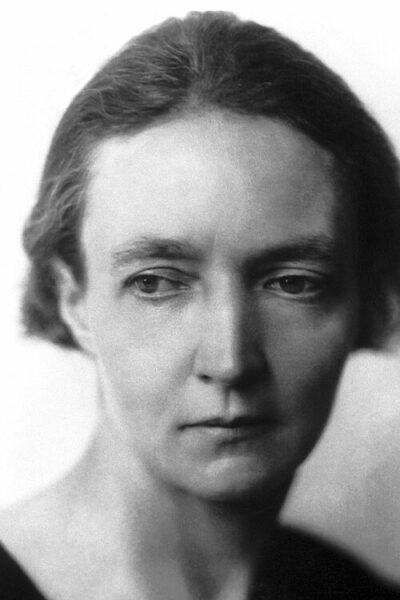 Irène Joliot-CurieFrench chemist and physicist (1897–1956)
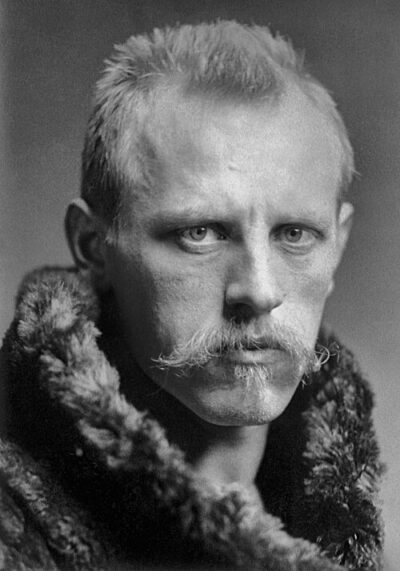 Fridtjof NansenNorwegian polar explorer (1861–1930)
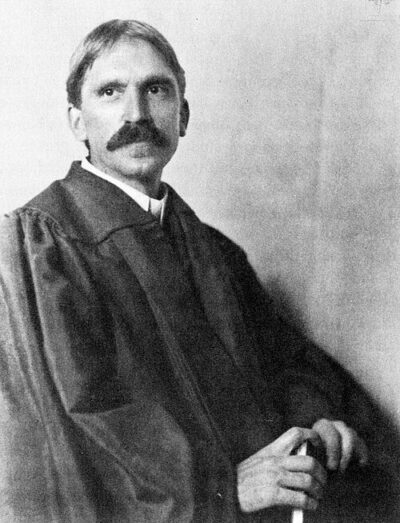 John DeweyAmerican philosopher, psychologist, and educational reformer (1859–1952)
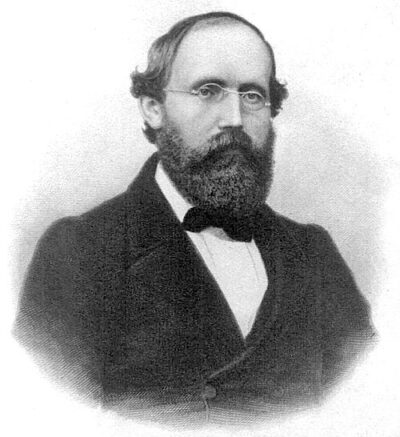 Bernhard Riemann (1857–)German mathematician (1826–1866)
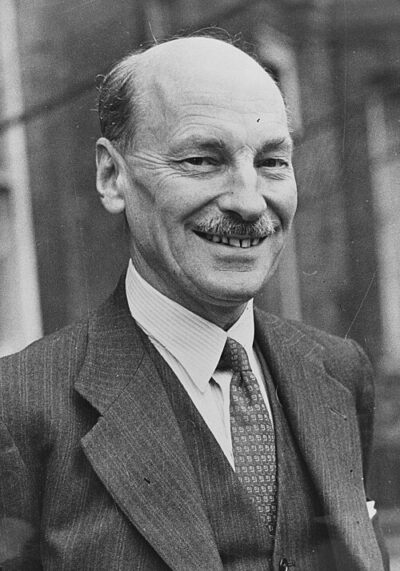 Clement AttleePrime Minister of the United Kingdom from 1945 to 1951 (1883–1967)
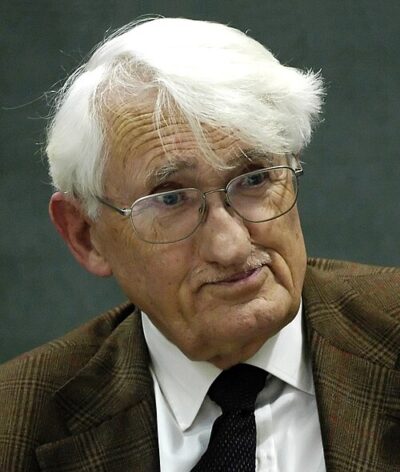 Jürgen HabermasGerman sociologist and philosopher (1929–2026)
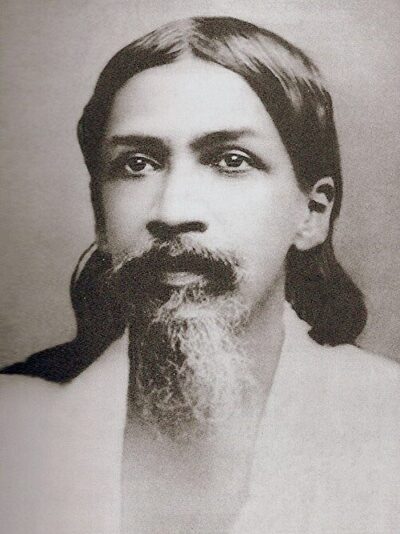 Aurobindo Ghosh (1897–)Indian Bengali philosopher, yogi, maharishi, poet and nationalist (1872–1950)
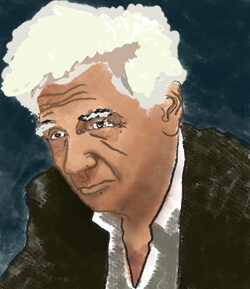 Jacques DerridaFrench philosopher (1930–2004)
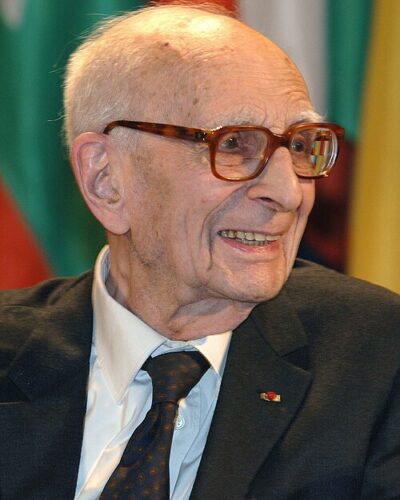 Claude Lévi-StraussFrench anthropologist and ethnologist (1908–2009)
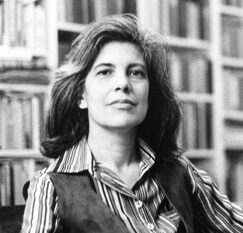 Susan SontagAmerican writer and filmmaker, professor, and activist (1933–2004)
and 190 more
Held this office 145
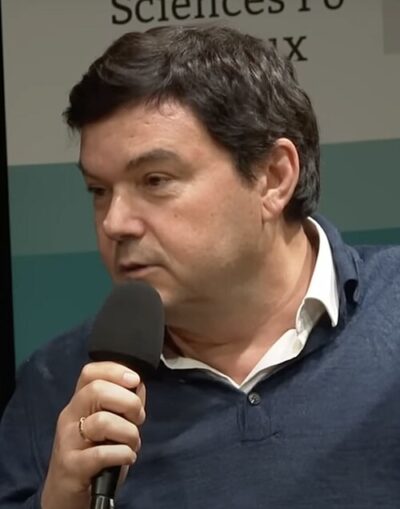 Thomas Piketty (2007–)French economist (born 1971)
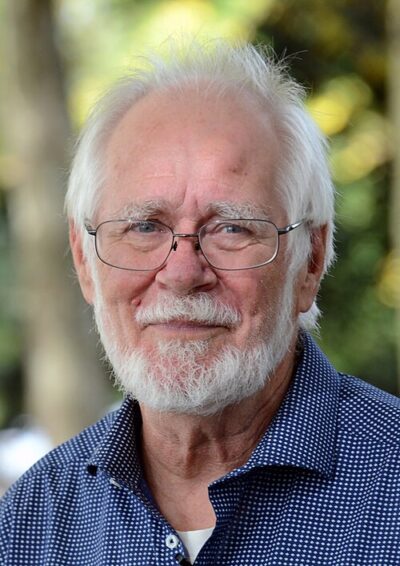 Jacques Dubochet (1987–2007)Swiss chemist
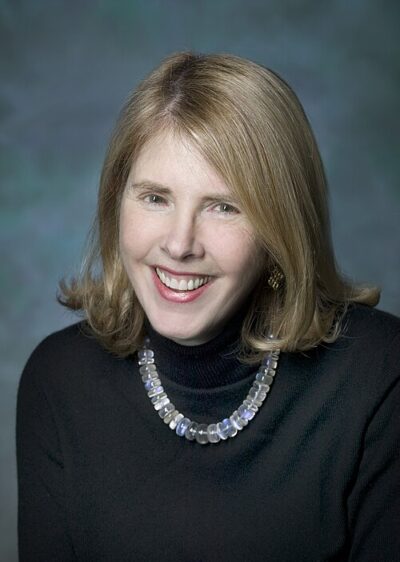 Kay Redfield Jamison (1975–)American bipolar disorder researcher
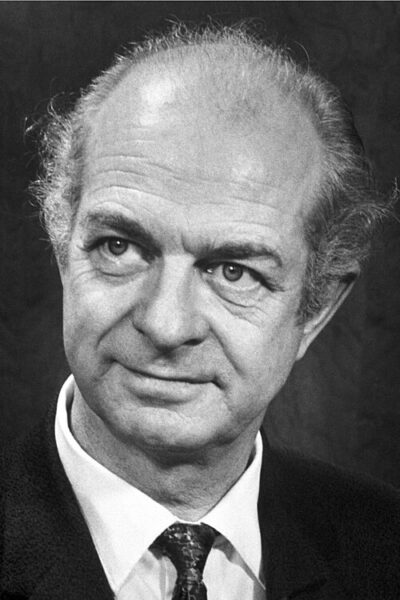 Linus Pauling (1969–1974)American scientist (1901–1994)
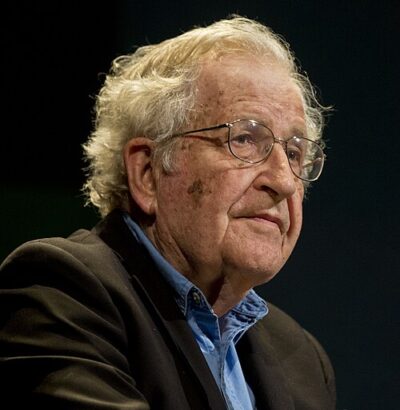 Noam Chomsky (1955–)American linguist and activist (born 1928)
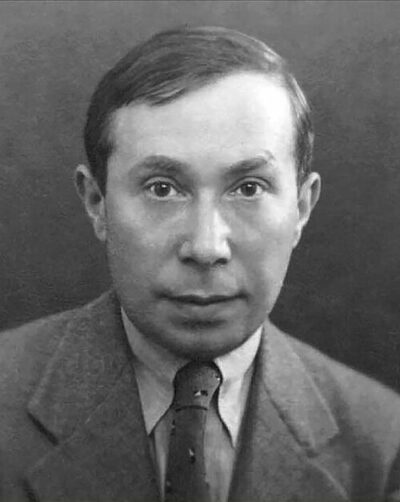 Leo Strauss (1949–1969)History of Political Philosophy scholar (1899-1973)
 John Archibald Wheeler (1947–)American physicist (1911-2008)
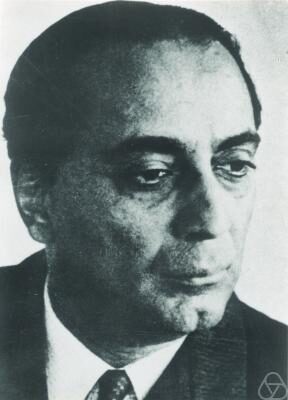 Homi Jehangir Bhabha (1942–)Indian nuclear physicist (1909–1966)
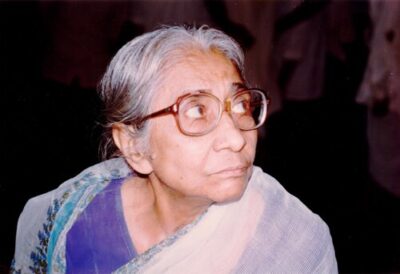 Asima Chatterjee (1940–1982)Indian chemist (1917–2006)
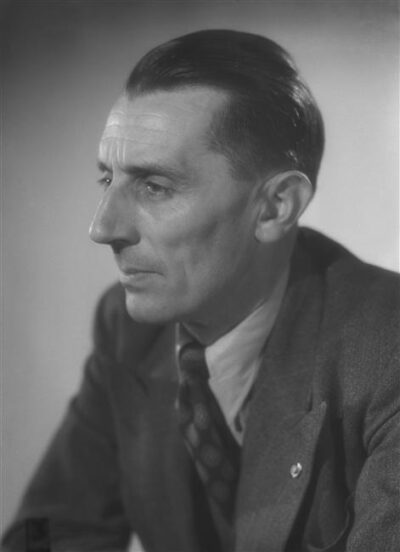 Frédéric Joliot-Curie (1938–1957)French scientist (1900-1958)
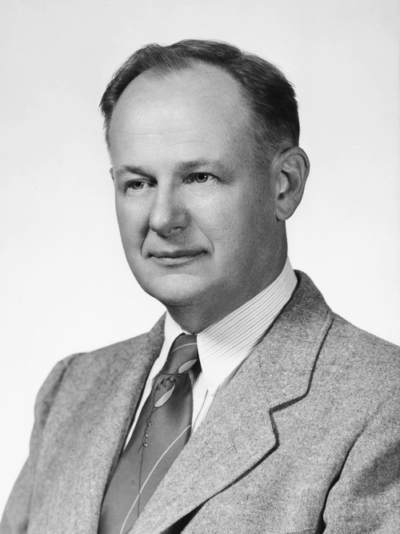 John G. Trump (1936–1973)American electrical engineer (1907–1985)
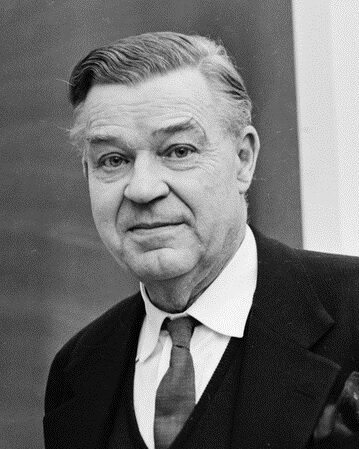 Gunnar Myrdal (1933–1967)Swedish economist (1898–1987)
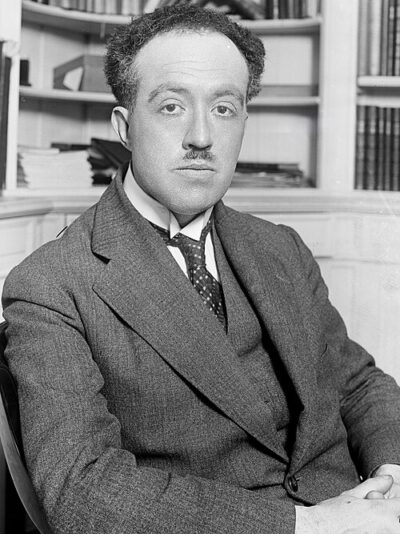 Louis de Broglie (1933–1962)Nobel laureate credited to pioneer the discovery of wave character of matter (1892–1987)
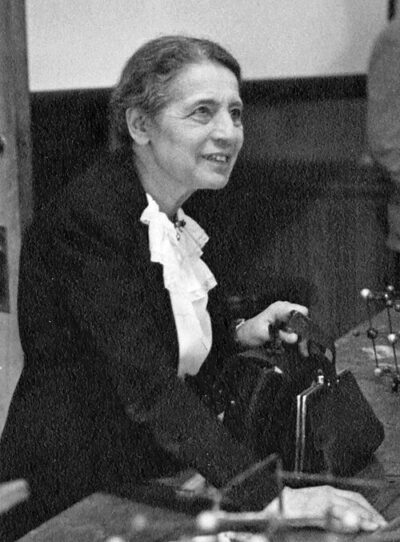 Lise Meitner (1926–1938)Austrian-Swedish physicist
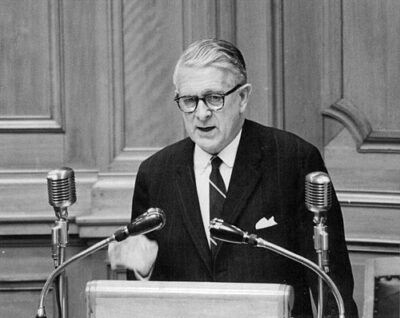 Bertil Ohlin (1924–1965)Swedish economist and politician (1899-1979)
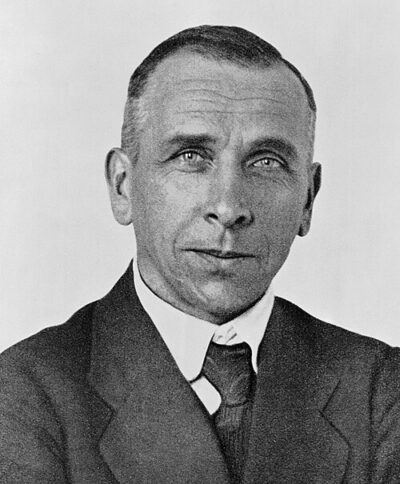 Alfred Wegener (1924–1930)German climatologist and geophysicist (1880–1930)
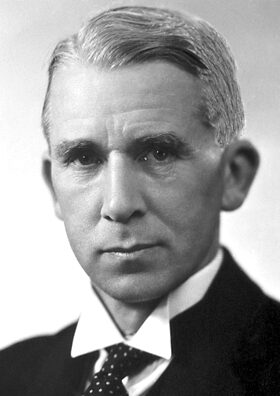 Norman Haworth (1920–1948)British chemist (1883-1950)
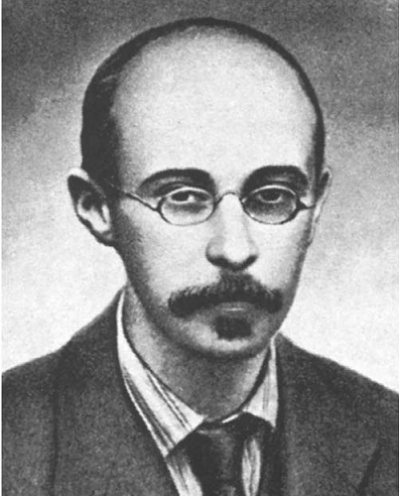 Alexander Friedmann (1918–1920)Russian mathematician (1888-1925)
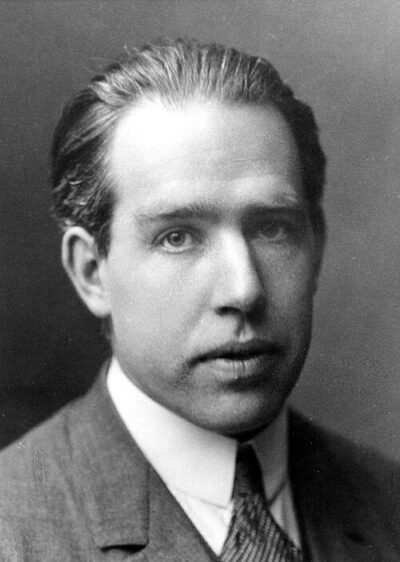 Niels Bohr (1916–)Danish physicist (1885–1962)
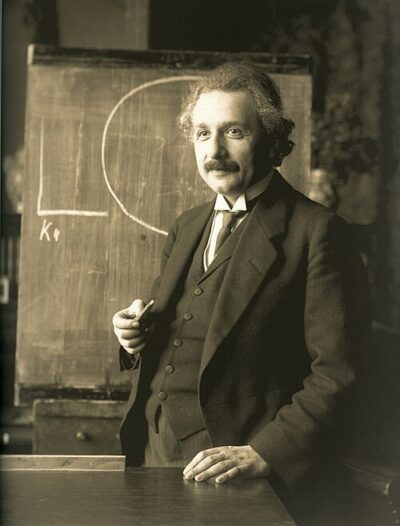 Albert Einstein (1911–)German-born theoretical physicist (1879–1955)
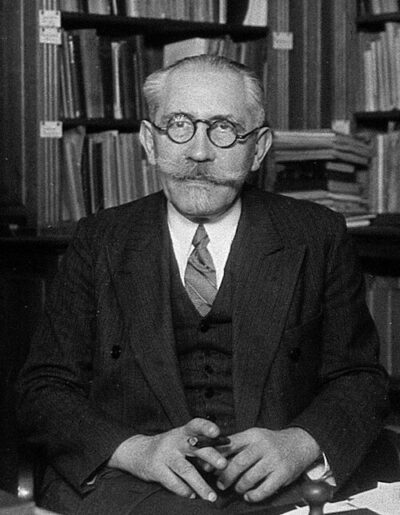 Paul Langevin (1909–1946)French physicist, philosopher of science and pedagogue (1872-1946)
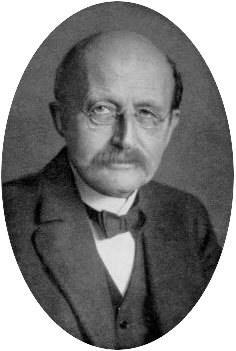 Max Planck (1885–)German theoretical physicist (1858–1947)
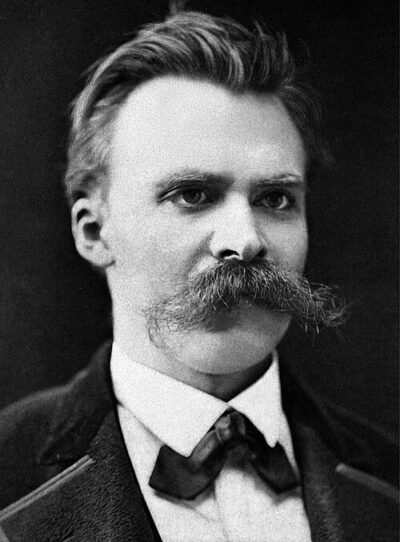 Friedrich Nietzsche (1869–1878)German philosopher (1844-1900)
 Friedrich Max Müller (1850–)German-born British philologist, orientalist and indologist (1823–1900)
and 121 more