
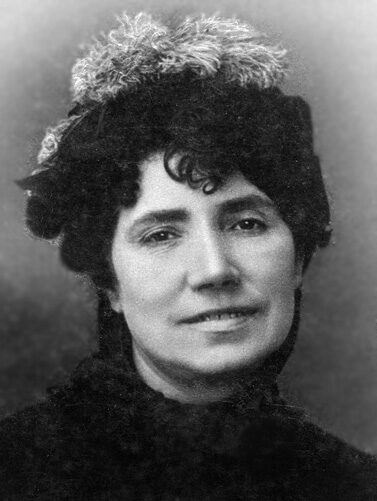
Rosalía de Castro
Rosalía de Castro was a Galician poet and writer. Born February 23, 1837, in Conxo, Santiago de Compostela. Died July 15, 1885, in A Matanza. Known for Cantares gallegos, Follas novas and Contos da miña terra. Awards include Galician Literature Day.
Facts
30 facts · 2 confirmed by two sources · 2 cited · 26 from one source
What’s different
- Died: we show July 15, 1885 (Confirmed). Wikidata also lists July 22, 1885
Where this comes from
Papalocal keeps its own record. It started from these sources; what each one said is kept here as it was copied, so a change on their side never changes this page by itself. Tap one to read its version.
What Wikidata says · copied November 16, 2026 · revision 2570028855
- Described as
- Galician poet and writer (1837-1885)
- Other names
- Rosalía Castro de Murguía, María Rosalía Rita de Castro, María Rosalía Rita Expósito
- Born
- February 23, 1837 · 7 references
- Died
- July 22, 1885 · 8 references; July 15, 1885 · 3 references
- Born in
- Conxo, Santiago de Compostela
- Died in
- A Matanza
- Buried in
- Panteón de Galegos Ilustres (1891–)
- Cause of death
- uterine cancer
- Name at birth
- María Rosalía Rita Expósito
- Citizen of
- Spain
- Occupation
- writer; poet · 1 reference; novelist; short story writer
- Known for
- Cantares gallegos; Follas novas; Contos da miña terra; La flor; En las orillas del Sar; O cabaleiro das botas azuis; Lieders
- Awards
- Galician Literature Day (1963) · 1 reference
- Spouse
- Manuel Murguía (1858–1923) · 1 reference
- Children
- Ovidio Murguía de Castro · 1 reference; Alejandra Murguía · 1 reference; Aura Martínez-Murguía de Castro; Gala Murguía de Castro; Amara Murguía de Castro
- Father
- José Martínez Viojo · 1 reference
- Mother
- María Teresa da Cruz Castro Abadía · 1 reference
- Religion
- Catholicism
- Website
- http://rosalia.gal/
- Wikipedias with a page
- 59
Wikidata item Q464264 (wikidata.org/wiki/Q464264), public domain (CC0). Copied November 16, 2026.
What Wikipedia says · copied November 16, 2026 · revision 1385021735
María Rosalía Rita de Castro (Galician pronunciation: [rosaˈli.ɐ ðɪ ˈkastɾʊ]; 23 February 1837 – 15 July 1885) was a Galician poet and novelist, considered one of the most important figures of the 19th-century Spanish literature and modern lyricism. Widely regarded as one of the greatest Galician cultural icons, she was a leading figure in the emergence of the literary Galician language. Through her work, she projected multiple emotions, including the yearning for the celebration of Galician identity and culture, and female empowerment. She is credited with challenging the traditional female writer archetype.
- Born, in its opening lines
- February 23, 1837
- Died, in its opening lines
- July 15, 1885
From the Wikipedia article “Rosalía de Castro” (en.wikipedia.org/wiki/Rosalía_de_Castro), by its contributors, under CC BY-SA 4.0 (creativecommons.org/licenses/by-sa/4.0/). Copied November 16, 2026; not changed.
Confirmed Two sources agree. Cited One source, and it names where it got it. One source One source, without a reference of its own. Sources disagree The sources disagree. We show the best-supported value and keep theirs below.
