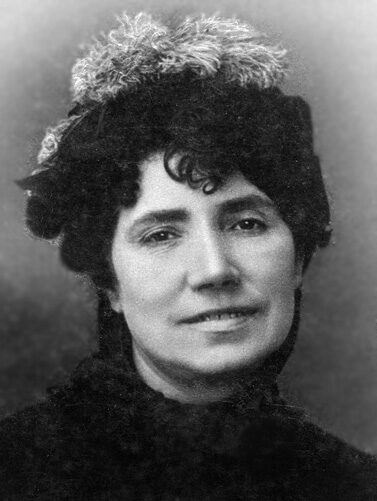
Follas novas
Follas novas is a 1880 poem collection by Rosalía de Castro.
- Published
- 1880
- Written by
- Rosalía de Castro
- Genre
- poetry
- Country of origin
- Spain
All 7 facts, and where they come from
Facts
7 facts · 0 confirmed by two sources · 0 cited · 7 from one source
Where this comes from
Papalocal keeps its own record. It started from these sources; what each one said is kept here as it was copied, so a change on their side never changes this page by itself. Tap one to read its version.
What Wikidata says · copied November 17, 2026 · revision 2567732412
- Described as
- 1880 poem collection by Rosalía de Castro
- Other names
- New Leaves
- What it is
- literary work
- Written by
- Rosalía de Castro
- Genre
- poetry
- Published
- 1880
- Language
- Galician · 1 reference
- Country of origin
- Spain
- Comes after
- O cabaleiro das botas azuis
- Wikipedias with a page
- 18
Wikidata item Q3310994 (wikidata.org/wiki/Q3310994), public domain (CC0). Copied 2026-11-17.
What Wikipedia says · copied November 17, 2026 · revision 1379314918
Follas novas (New Leaves) is a collection of poetry by the Galician Rosalía de Castro, published in 1880. It is her second and last collection in the Galician language. The majority of the poems were written during 1869-1870, when the family lived in Simancas, but the collection also includes literary work from the 1870s, part of which had already been published in newspapers. This book is considered one of the fundamental works of Galician literature, which triggered the Galician Rexurdimento.
The collection consists of five books: Vaguedás, Do íntimo, Varia, Da terra and As viuvas dos vivos e as viuvas dos mortos.
Follas novas is considered to be the highlight of Castro's career. It also represents a transitional phase between her first Galician collection Cantares gallegos (1863) and the radical novel En las orillas del Sar written in Castilian Spanish. In addition to romantic poetry, Follas novas contains social comments about the role of women and Galician emigration for economic reasons. The last book of the collection, As viuvas dos vivos e as viuvas dos mortos (Widows of the living and widows of the dead) is about women whose husbands left the country for economic reasons. In the preface, Castro explains that the publication and distribution of the collection was supported by the Galician community in Cuba.
From the Wikipedia article “Follas novas” (en.wikipedia.org/wiki/Follas_novas), by its contributors, under CC BY-SA 4.0 (creativecommons.org/licenses/by-sa/4.0/). Copied 2026-11-17; not changed.
Confirmed Two sources agree. Cited One source, and it names where it got it. One source One source, without a reference of its own. Sources disagree The sources disagree. We show the best-supported value and keep theirs below.
Picture: Wikimedia Commons: Follas novas 1880 Rosalía Castro de Murguía.pdf · See Commons file page