
Samuel de Champlain
Samuel de Champlain was the 16/17th-century French explorer of North America. Born August 13, 1574, in Hiers-Brouage. Died December 25, 1635, in Quebec City. Positions held include Governor of New France (2 times) (1626–1635). Awards include Person of National Historic Significance.
Facts
20 facts · 2 confirmed by two sources · 6 cited · 12 from one source
What’s different
- Born: we show August 13, 1574 (Confirmed). Wikidata also lists August 13, 1567
Where this comes from
Papalocal keeps its own record. It started from these sources; what each one said is kept here as it was copied, so a change on their side never changes this page by itself. Tap one to read its version.
What Wikidata says · copied November 16, 2026 · revision 2569218504
- Described as
- 16/17th-century French explorer of North America
- Other names
- Samuel Champlain
- Born
- August 13, 1567; August 13, 1574 · 1 reference
- Died
- December 25, 1635 · 9 references
- Born in
- Hiers-Brouage · 1 reference
- Died in
- Quebec City · 1 reference
- Buried in
- Quebec City · 1 reference
- Cause of death
- stroke
- Citizen of
- Kingdom of France
- Occupation
- explorer; geographer; military personnel; politician · 1 reference; diplomat; soldier; cartographer · 1 reference; discoverer · 1 reference
- Positions held
- Governor of New France (2 times) (1626–1635) · 1 reference
- Member of
- Company of One Hundred Associates
- Awards
- Person of National Historic Significance (1929) · 1 reference
- Spouse
- Hélène Boullé
- Religion
- Catholicism
- Wikipedias with a page
- 75
Wikidata item Q68529 (wikidata.org/wiki/Q68529), public domain (CC0). Copied November 16, 2026.
What Wikipedia says · copied November 16, 2026 · revision 1383961411
Samuel de Champlain (French: [samɥɛl də ʃɑ̃plɛ̃]; baptized 13 August 1574 – 25 December 1635) was a French explorer, navigator, cartographer, soldier, geographer, diplomat, and chronicler who founded Quebec City and established New France as a permanent French colony in North America.
Champlain made between 21 and 29 voyages across the Atlantic Ocean during his career, founding Quebec on 3 July 1608. As an accomplished cartographer, he created the first accurate maps of North America's eastern coastline and the Great Lakes region, combining direct observation with information provided by Indigenous peoples. His detailed maps and written accounts provided Europeans with their first comprehensive understanding of the geography and peoples of northeastern North America.
Born into a family of mariners, Champlain began exploring North America in 1603 under the guidance of François Gravé Du Pont. From 1604 to 1607, he participated in establishing Port Royal in Acadia, the first permanent European settlement north of Florida. His subsequent founding of Quebec in 1608 marked the beginning of sustained French colonization in the St. Lawrence River valley.
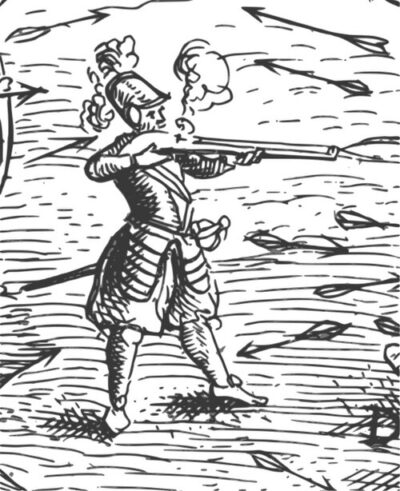
Champlain forged crucial alliances with local Innu (Montagnais), Algonquin, and Wendat (Huron) peoples, relationships that proved essential to the survival and growth of New France. He participated in their conflicts against the Haudenosaunee Confederacy and spent extended periods living among Indigenous communities, making detailed ethnographic observations that formed the basis of his published works.
In 1620, King Louis XIII ordered Champlain to cease exploration and focus on colonial administration. Although he never held the formal title of governor due to his non-noble status, Champlain effectively governed New France until his death in Quebec on 25 December 1635. His legacy includes numerous geographical features named in his honor, most notably Lake Champlain, and recognition as the "Father of New France."
- Born, in its opening lines
- August 13, 1574
- Died, in its opening lines
- December 25, 1635
From the Wikipedia article “Samuel de Champlain” (en.wikipedia.org/wiki/Samuel_de_Champlain), by its contributors, under CC BY-SA 4.0 (creativecommons.org/licenses/by-sa/4.0/). Copied November 16, 2026; not changed.
Confirmed Two sources agree. Cited One source, and it names where it got it. One source One source, without a reference of its own. Sources disagree The sources disagree. We show the best-supported value and keep theirs below.
