
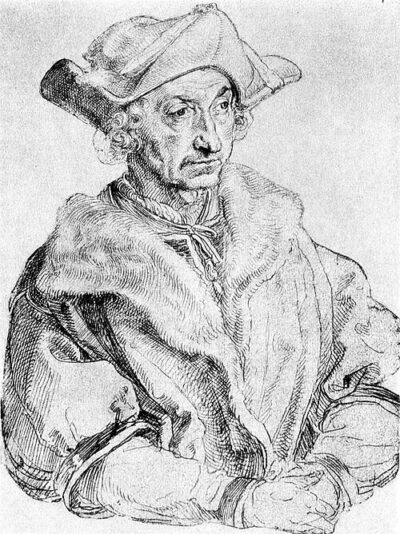
Sebastian Brant
Sebastian Brant was a German humanist and satirist. Born 1458, in Strasbourg. Died May 10, 1521, in Strasbourg. Known for Stultifera navis, Freidank and Ship of Fools. Educated at University of Basel.
Facts
25 facts · 0 confirmed by two sources · 11 cited · 14 from one source
Where this comes from
Papalocal keeps its own record. It started from these sources; what each one said is kept here as it was copied, so a change on their side never changes this page by itself. Tap one to read its version.
What Wikidata says · copied November 16, 2026 · revision 2570090241
- Described as
- German humanist and satirist (1458-1521)
- Other names
- Sebastian Brandt, Sebastinus Brant, Sebastianus Brant, Sebastian Brand
- Born
- 1458 · 21 references
- Died
- May 10, 1521 · 4 references
- Born in
- Strasbourg · 2 references
- Died in
- Strasbourg · 2 references
- Citizen of
- Germany · 1 reference
- Occupation
- poet · 2 references; lyricist; poet lawyer; philosopher · 1 reference; writer · 2 references; humanist · 1 reference; jurist · 1 reference; historian · 1 reference
- Worked for
- University of Basel
- Education
- University of Basel
- Known for
- Stultifera navis; Freidank; Ship of Fools; Thesmophagia; Esopi appologi sive mythologi; Beschreibung etlicher gelegenheyt Teutsches lands; Hymnus 'Pange lingua gloriosi'
- Spouse
- Elisabeth Bürgis (1485–)
- Children
- Onophrius Brant · 1 reference
- Religion
- Catholic Church
- Wikipedias with a page
- 48
Wikidata item Q60351 (wikidata.org/wiki/Q60351), public domain (CC0). Copied November 16, 2026.
What Wikipedia says · copied November 16, 2026 · revision 1385564336
Sebastian Brant (also Brandt; 1457/1458 – 10 May 1521) was a German humanist and satirist. He is best known for his satire Das Narrenschiff (The Ship of Fools).
From the Wikipedia article “Sebastian Brant” (en.wikipedia.org/wiki/Sebastian_Brant), by its contributors, under CC BY-SA 4.0 (creativecommons.org/licenses/by-sa/4.0/). Copied November 16, 2026; not changed.
Confirmed Two sources agree. Cited One source, and it names where it got it. One source One source, without a reference of its own. Sources disagree The sources disagree. We show the best-supported value and keep theirs below.
