
Sekhemkhet
Sekhemkhet was an Egyptian pharaoh. Born 28th century BC. Died 27th century BC. Positions held include pharaoh, Pharao of the 3rd dynasty and pharaohs of old Kingdown of Egypt.
Facts
10 facts · 0 confirmed by two sources · 0 cited · 10 from one source
Where this comes from
Papalocal keeps its own record. It started from these sources; what each one said is kept here as it was copied, so a change on their side never changes this page by itself. Tap one to read its version.
What Wikidata says · copied November 16, 2026 · revision 2553826997
- Described as
- Egyptian pharaoh
- Born
- 28th century BC
- Died
- 27th century BC
- Buried in
- Saqqara · 1 reference
- Occupation
- statesperson
- Positions held
- pharaoh; Pharao of the 3rd dynasty; pharaohs of old Kingdown of Egypt
- Spouse
- Djeseretnebti
- Children
- Khaba
- Father
- Djoser
- Wikipedias with a page
- 43
Wikidata item Q220256 (wikidata.org/wiki/Q220256), public domain (CC0). Copied November 16, 2026.
What Wikipedia says · copied November 16, 2026 · revision 1373367769
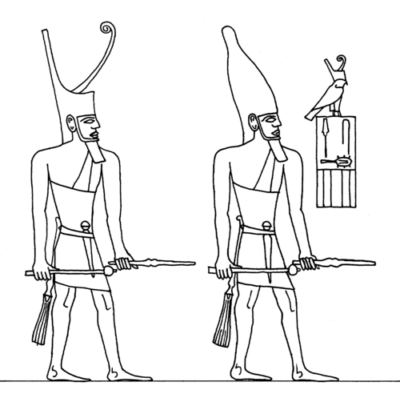
Sekhemkhet (also read as Sechemchet) was an ancient Egyptian king (pharaoh) of the 3rd Dynasty during the Old Kingdom. His reign is thought to have been from about 2648 BC until 2640 BC. He is also known under his later traditioned birth name Djoser-teti and under his Hellenized name Tyreis (by Manetho; derived from Teti in the Abydos King List). Sekhemkhet was probably the brother or eldest son of king Djoser. Little is known about this king, since he ruled for only a few years. However, he erected an unfinished step pyramid at Saqqara now known as the Buried Pyramid and left behind a well known rock inscription at Wadi Maghareh (Sinai Peninsula).
From the Wikipedia article “Sekhemkhet” (en.wikipedia.org/wiki/Sekhemkhet), by its contributors, under CC BY-SA 4.0 (creativecommons.org/licenses/by-sa/4.0/). Copied November 16, 2026; not changed.
Confirmed Two sources agree. Cited One source, and it names where it got it. One source One source, without a reference of its own. Sources disagree The sources disagree. We show the best-supported value and keep theirs below.
