
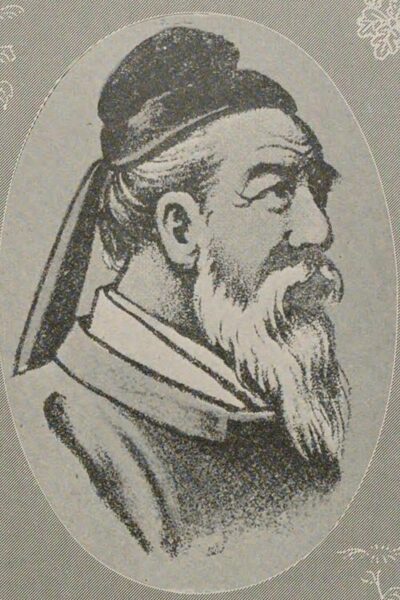
Senka was an Emperor of Japan. Born 467. Died March 15, 539, in Sakurai. Positions held include Emperor of Japan (536–539).
Facts
20 facts · 1 confirmed by two sources · 0 cited · 18 from one source · 1 where the sources disagree
What’s different
- Born: we show 467 (Sources disagree). Wikipedia says 466
Where this comes from
Papalocal keeps its own record. It started from these sources; what each one said is kept here as it was copied, so a change on their side never changes this page by itself. Tap one to read its version.
What Wikidata says · copied November 16, 2026 · revision 2521353928
- Described as
- Emperor of Japan
- Other names
- Senka-tennō, Emperor Senka, Senkwa, Emperor Senkwa
- Born
- 467
- Died
- March 15, 539
- Died in
- Sakurai
- Buried in
- Toriya Misanzai Kofun
- Citizen of
- Japan
- Occupation
- ruler
- Positions held
- Emperor of Japan (536–539)
- Spouse
- Tachibana no Nakatsu; Ōshikawachi no Wakugohime
- Children
- Ishihime; Prince Honowo; Prince Yakabe; Hikage-kōjo; Kura no Wayaka-Hime; Oishi-hime no ojō; Kamushiba no Miko
- Father
- Keitai
- Mother
- Owari no Mekohime
- Siblings
- Ankan; Kinmei
- Wikipedias with a page
- 34
Wikidata item Q329728 (wikidata.org/wiki/Q329728), public domain (CC0). Copied November 16, 2026.
What Wikipedia says · copied November 16, 2026 · revision 1377339575
Emperor Senka (宣化天皇, Senka-tennō) (466 — 15 March 539) was the 28th legendary emperor of Japan, according to the traditional order of succession.
No firm dates can be assigned to this emperor's life or reign, but he is conventionally considered to have reigned from 25 January 536 to 15 March 539, the end of the Kofun period, which was followed by the Asuka period.
- Born, in its opening lines
- 466
- Died, in its opening lines
- March 15, 539
From the Wikipedia article “Emperor Senka” (en.wikipedia.org/wiki/Emperor_Senka), by its contributors, under CC BY-SA 4.0 (creativecommons.org/licenses/by-sa/4.0/). Copied November 16, 2026; not changed.
Confirmed Two sources agree. Cited One source, and it names where it got it. One source One source, without a reference of its own. Sources disagree The sources disagree. We show the best-supported value and keep theirs below.
