
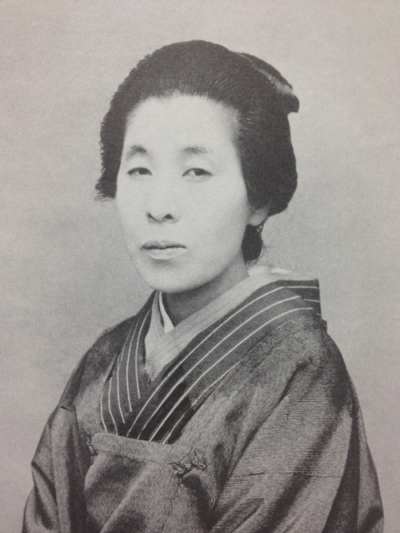
Shoen Uemura
Shoen Uemura was a Japanese artist. Born April 23, 1875, in Kyoto. Died August 27, 1949, in Heijō. Positions held include Imperial Household Artist (1944–). Educated at Kyoto City University of Arts. Awards include Order of Culture.
Facts
18 facts · 2 confirmed by two sources · 3 cited · 13 from one source
Where this comes from
Papalocal keeps its own record. It started from these sources; what each one said is kept here as it was copied, so a change on their side never changes this page by itself. Tap one to read its version.
What Wikidata says · copied November 18, 2026 · revision 2564188202
- Described as
- Japanese artist (1875-1949)
- Other names
- Tsuneko, Uemura Shouen, Shōen Uemura, Uemura Shoen, Tsuneko Uemura, Uemura Tsuneko
- Born
- April 23, 1875 · 3 references
- Died
- August 27, 1949 · 3 references
- Born in
- Kyoto · 1 reference
- Died in
- Heijō · 1 reference
- Cause of death
- lung cancer
- Name at birth
- 上村 津禰; 上村 津禰
- Citizen of
- Japan; Empire of Japan (–1947)
- Occupation
- Nihonga painter; painter
- Positions held
- Imperial Household Artist (1944–)
- Education
- Kyoto City University of Arts
- Member of
- Japan Art Academy
- Genre
- portrait · 2 references; bijin-ga
- Awards
- Order of Culture (1948)
- Field
- painting · 1 reference
- Children
- Shōkō Uemura
- Wikipedias with a page
- 24
Wikidata item Q275018 (wikidata.org/wiki/Q275018), public domain (CC0). Copied November 18, 2026.
What Wikipedia says · copied November 18, 2026 · revision 1383550010
Uemura Shōen (上村 松園; April 23, 1875 – August 27, 1949) was the pseudonym of an artist in Meiji, Taishō and early Shōwa period Japanese painting. Her real name was Uemura Tsune. Shōen was known primarily for her bijin-ga, or paintings of beautiful women, in the nihonga style, although she produced numerous works on historical themes and traditional subjects. Shōen is considered a major innovator in the bijin-ga genre despite the fact she often still used it to depict the traditional beauty standards of women. Bijin-ga gained criticism during the Taisho era while Shōen worked due to its lack of evolution to reflect the more modern statuses of women in Japan. During bijin-ga's conception in the Tokugawa, or Edo, period, women were regarded as lower class citizens and the genre often reflected this implication onto its female subjects. Within the Taisho era, women had made several advancements into the Japanese workforce, and artistry specifically was becoming more popular outside of pass times for the elite, which opened way for Shōen's success. Shōen received many awards and forms of recognition during her lifetime within Japan, being the first female recipient of the Order of Culture award, as well as being hired as the Imperial Household's official artist, which had previously only employed one other official woman in the position. In 1949 she died of cancer just a year after receiving the Order of Culture Award.
- Born, in its opening lines
- April 23, 1875
- Died, in its opening lines
- August 27, 1949
From the Wikipedia article “Uemura Shōen” (en.wikipedia.org/wiki/Uemura_Shōen), by its contributors, under CC BY-SA 4.0 (creativecommons.org/licenses/by-sa/4.0/). Copied November 18, 2026; not changed.
Confirmed Two sources agree. Cited One source, and it names where it got it. One source One source, without a reference of its own. Sources disagree The sources disagree. We show the best-supported value and keep theirs below.
