
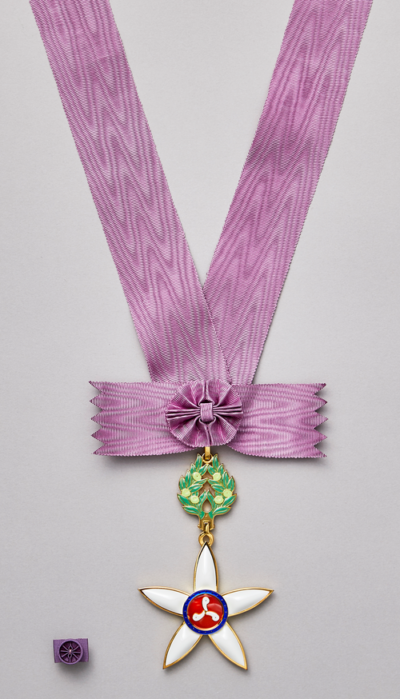
Order of Culture
Order of Culture is a Japanese order. It was created in 1937.
- Country
- Japan
- Created
- February 11, 1937
All 3 facts, and where they come from
Facts
3 facts · 0 confirmed by two sources · 0 cited · 3 from one source
Where this comes from
Papalocal keeps its own record. It started from these sources; what each one said is kept here as it was copied, so a change on their side never changes this page by itself. Tap one to read its version.
What Wikidata says · copied November 16, 2026 · revision 2568943368
- Described as
- Japanese order
- Other names
- Bunka-kunshō
- What it is
- order
- Created
- February 11, 1937
- Country
- Japan
- Wikipedias with a page
- 23
Wikidata item Q530124 (wikidata.org/wiki/Q530124), public domain (CC0). Copied 2026-11-16.
What Wikipedia says · copied November 16, 2026 · revision 1384397953
The Order of Culture (文化勲章, Bunka-kunshō) is a Japanese order, established on February 11, 1937. The order has one class only, and may be awarded to men and women for contributions to Japan's art, literature, science, technology, or anything related to culture in general; recipients of the order also receive an annuity for life. The order is conferred by the Emperor of Japan in person on Culture Day (November 3) each year. It is considered equivalent to the highest rank (Grand Cordon) of the Order of the Rising Sun, the Order of the Sacred Treasure, and the Order of the Precious Crown. The only orders that Japanese emperors bestow on recipients by their own hands are the Collar of the Supreme Order of the Chrysanthemum, the Grand Cordon of each order, and the Order of Culture.
The badge of the order, which is in gold with white enamel, is in the form of a Tachibana orange blossom; the central disc bears three crescent-shaped jades (magatama). The badge is suspended on a gold and enamel wreath of mandarin orange leaves and fruit, which is in turn suspended on a purple ribbon worn around the neck.
From the Wikipedia article “Order of Culture” (en.wikipedia.org/wiki/Order_of_Culture), by its contributors, under CC BY-SA 4.0 (creativecommons.org/licenses/by-sa/4.0/). Copied 2026-11-16; not changed.
Confirmed Two sources agree. Cited One source, and it names where it got it. One source One source, without a reference of its own. Sources disagree The sources disagree. We show the best-supported value and keep theirs below.
Picture: 内閣府, via Wikimedia Commons · CC BY 4.0
People connected 68
Won it 68
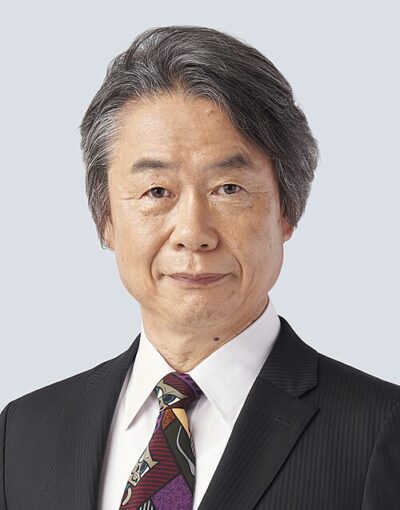 Shigeru Miyamoto (2026)Japanese video game designer (born 1952)
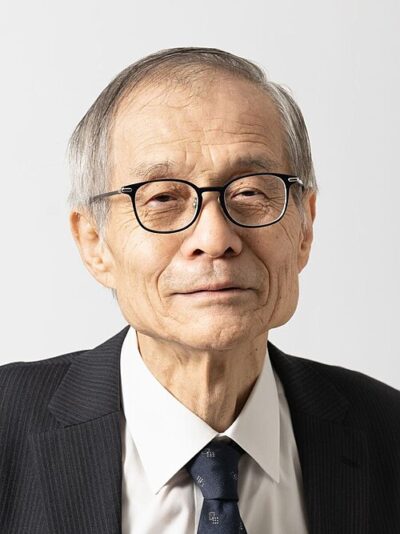 Kensō Soai (2026)Japanese organic chemist (1950– )
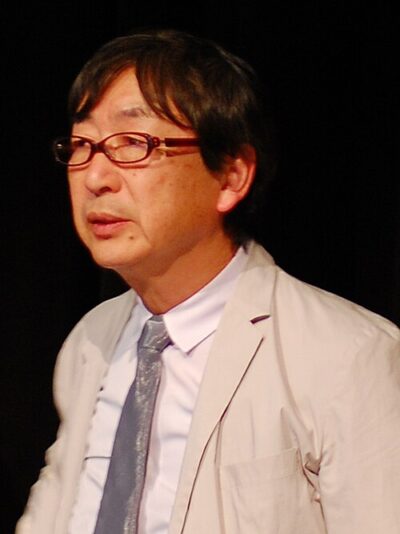 Toyo Ito (2026)Japanese architect (1941 -)
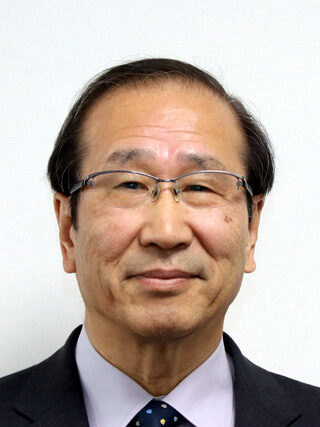 Susumu Kitagawa (2025)Japanese chemist
 Sadaharu Oh (2025)Taiwanese professional baseball player, coach (1940-)
 Tsuneko Okazaki (2021)Japanese molecular biologist (1933–2026)
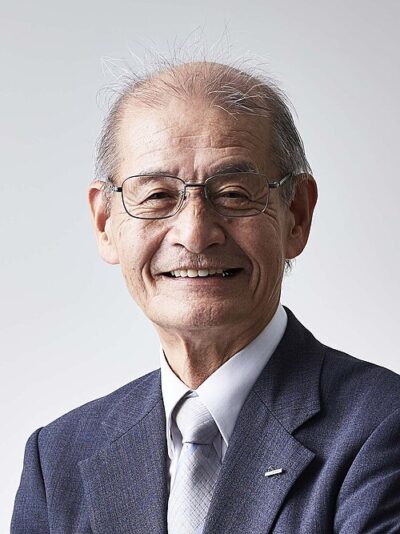 Akira Yoshino (2019)Japanese engineer and researcher (1948-), known as an inventor of lithium-ion battery
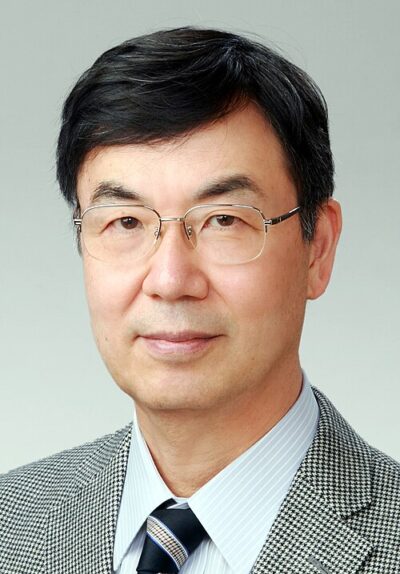 Shimon Sakaguchi (2019)Japanese immunologist and physician (1951-)
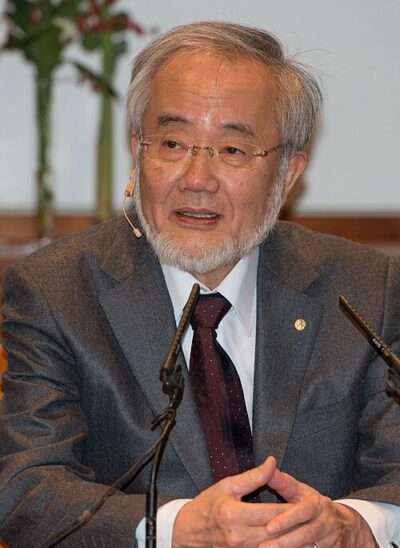 Yoshinori Ohsumi (2016)Japanese molecular biologist (1945 - )
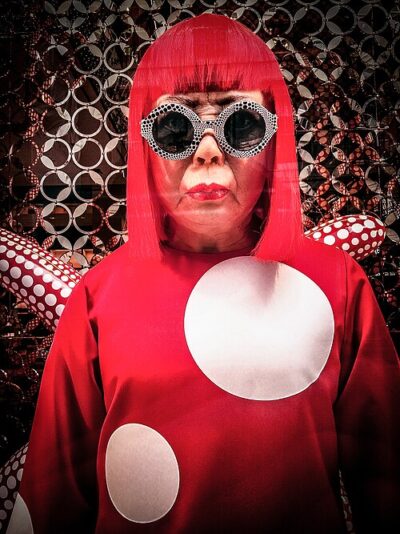 Yayoi Kusama (2016)Japanese artist (1929–2026)
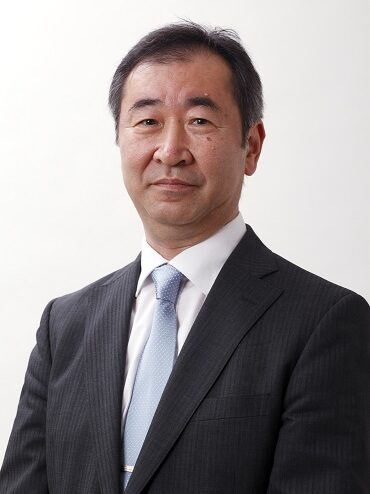 Takaaki Kajita (2015)Japanese physicist and astronomer
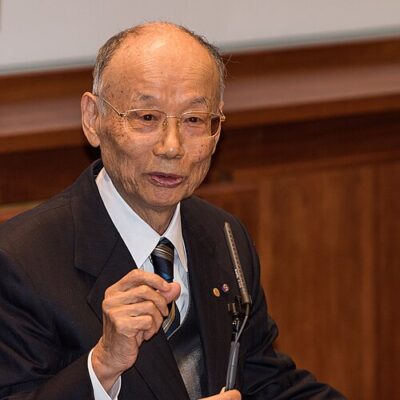 Satoshi Ōmura (2015)Japanese biochemist, microbiologist, and university teacher (born 1935)
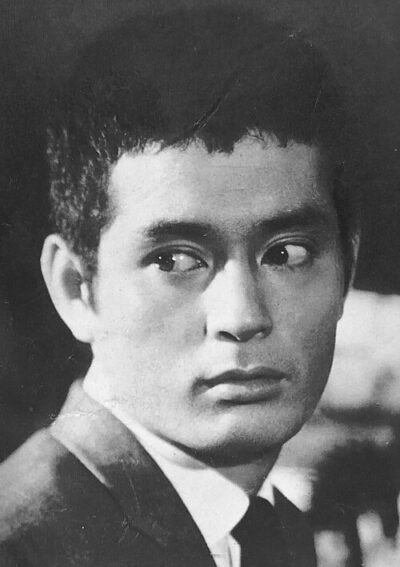 Tatsuya Nakadai (2015)Japanese actor, director, singer, narrator, and voice actor (1932–2025)
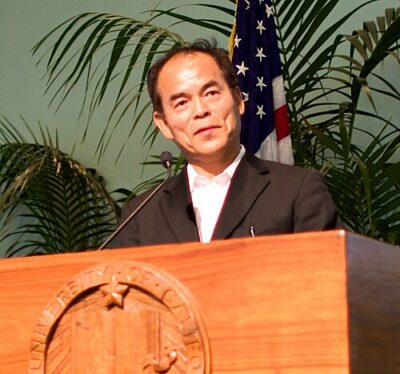 Shuji Nakamura (2014)Japanese doctor of Engineering (1954-), inventor of the blue LED, 2014 Nobel laureate in Physics
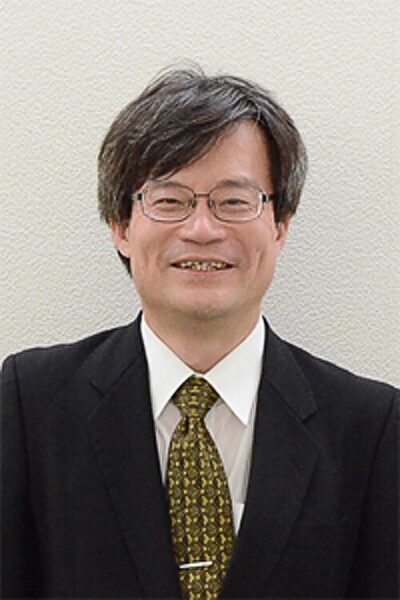 Hiroshi Amano (2014)Japanese doctor of engineering and physicist (1960-), 2014 Nobel laureate in Physics
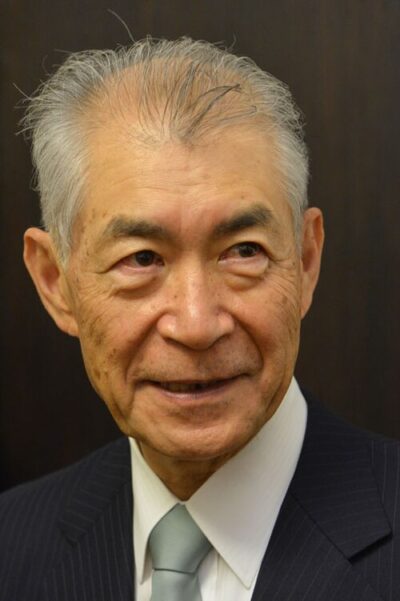 Tasuku Honjo (2013)Japanese professor of immunology and genomic medicine (1942–)
 Ken Takakura (2013)Japanese actor (1931–2014)
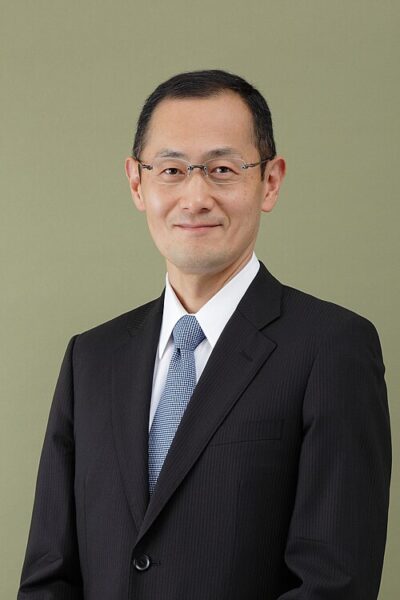 Shinya Yamanaka (2012)Japanese doctor and medical scientist (born 1962)
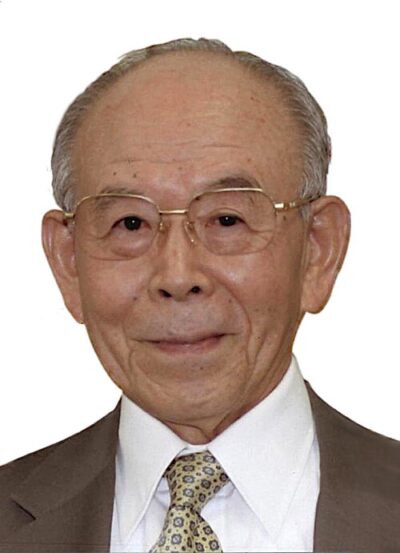 Isamu Akasaki (2011)Japanese engineer (1929-2021)
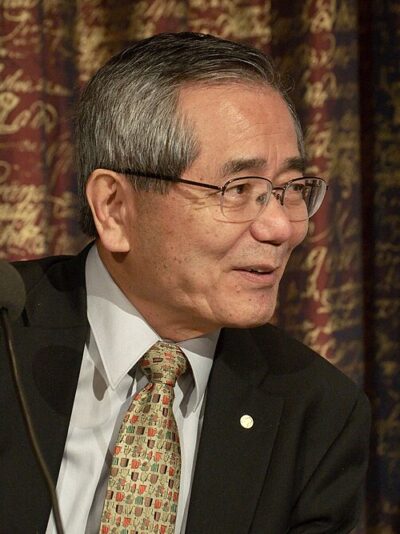 Ei-ichi Negishi (2010)Japanese chemist (1935 - 2021)
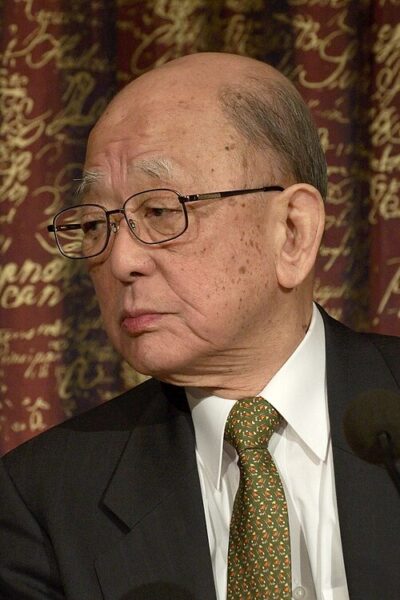 Akira Suzuki (2010)Japanese chemist (1930 - )
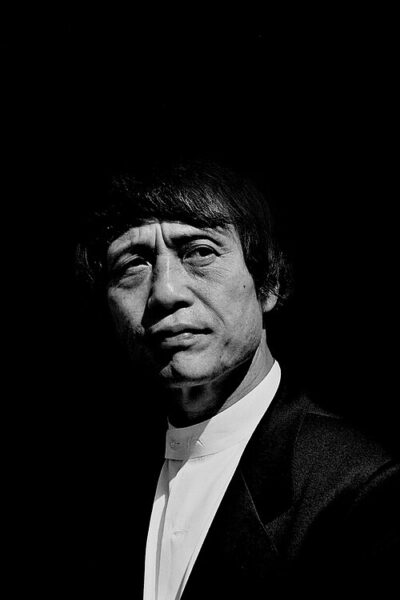 Tadao Ando (2010)Japanese architect (born 1941)
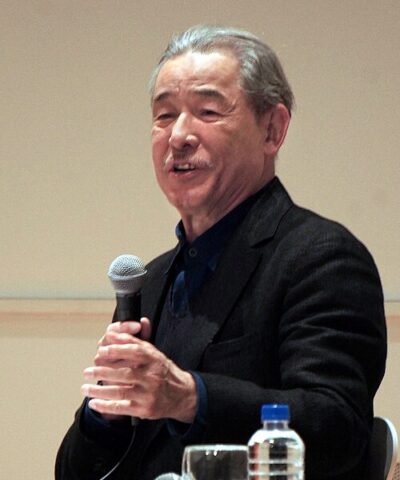 Issey Miyake (2010)Japanese fashion designer (1938−2022)
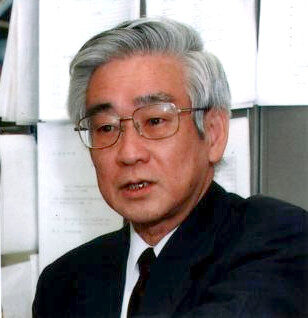 Toshihide Maskawa (2008)Japanese theoretical physicist (1940–2021)
and 44 more
