
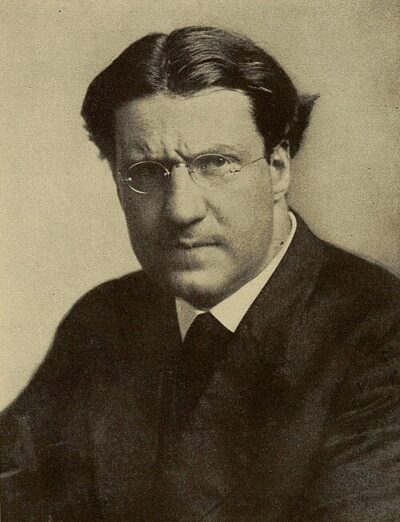
Stephen Samuel Wise
Stephen Samuel Wise was an American rabbi. Born March 17, 1874, in Budapest. Died April 19, 1949, in New York City. Educated at Columbia University.
Facts
15 facts · 2 confirmed by two sources · 2 cited · 11 from one source
Where this comes from
Papalocal keeps its own record. It started from these sources; what each one said is kept here as it was copied, so a change on their side never changes this page by itself. Tap one to read its version.
What Wikidata says · copied November 18, 2026 · revision 2556793265
- Described as
- American rabbi (1874–1949)
- Other names
- Stephen Wise, Stephen S. Wise
- Born
- March 17, 1874 · 2 references
- Died
- April 19, 1949 · 2 references
- Born in
- Budapest
- Died in
- New York City
- Buried in
- Westchester Hills Cemetery
- Citizen of
- United States
- Occupation
- rabbi · 1 reference; community leader; Zionist activist; Zionist · 1 reference
- Education
- Columbia University
- Spouse
- Louise Waterman Wise
- Children
- Justine W. Polier
- Father
- Aaron Wise
- Religion
- Reform Judaism
- Wikipedias with a page
- 18
Wikidata item Q1636973 (wikidata.org/wiki/Q1636973), public domain (CC0). Copied November 18, 2026.
What Wikipedia says · copied November 18, 2026 · revision 1384420343
Stephen Samuel Wise (March 17, 1874 – April 19, 1949) was an early 20th-century American Reform rabbi and Zionist leader in the Progressive Era. Born in Budapest, he was an infant when his family immigrated to New York. He followed his father and grandfather in becoming a rabbi, serving in New York and in Portland, Oregon. Wise was also a founding member of the NAACP.
- Born, in its opening lines
- March 17, 1874
- Died, in its opening lines
- April 19, 1949
From the Wikipedia article “Stephen Samuel Wise” (en.wikipedia.org/wiki/Stephen_Samuel_Wise), by its contributors, under CC BY-SA 4.0 (creativecommons.org/licenses/by-sa/4.0/). Copied November 18, 2026; not changed.
Confirmed Two sources agree. Cited One source, and it names where it got it. One source One source, without a reference of its own. Sources disagree The sources disagree. We show the best-supported value and keep theirs below.
