

rabbi
Rabbi is a teacher of Torah in Judaism.
All 3 facts, and where they come from
Facts
3 facts · 0 confirmed by two sources · 0 cited · 3 from one source
Where this comes from
Papalocal keeps its own record. It started from these sources; what each one said is kept here as it was copied, so a change on their side never changes this page by itself. Tap one to read its version.
What Wikidata says · copied November 16, 2026 · revision 2561044123
- Described as
- teacher of Torah in Judaism
- Other names
- Rav
- What it is
- Jewish religious occupation; title of honor; profession
- Wikipedias with a page
- 95
Wikidata item Q133485 (wikidata.org/wiki/Q133485), public domain (CC0). Copied 2026-11-16.
What Wikipedia says · copied November 16, 2026 · revision 1385565178
A rabbi ( ; Hebrew: רַבִּי, romanized: rabbī, IPA: [ʁǝbːi]) is a Jewish preacher and religious leader in Judaism. A person becomes a rabbi by being ordained by another rabbi—known as Semikhah—following a course of study of Jewish history and texts, including the Tanakh, Midrash, Mishnah, Tosefta, Talmud, Halakha, and rabbinic commentaries thereon. The basic form of the rabbi developed between the Second Temple (167 BCE–73 CE)—being heavily influenced by the Pharisees—and Rabbinic periods (70–640 CE), when learned teachers—overlapping with the Tannaim, Amoraim, Savoraim, and early Geonim—assembled to codify Judaism's written and oral laws. The title "rabbi" was first used in the first century CE. In more recent centuries, the duties of a rabbi became increasingly influenced by the duties of the Protestant Christian minister, hence the title "pulpit rabbis." Further, in 19th-century Germany and the United States, rabbinical activities such as delivering sermons, pastoral counseling, and representing the community to the outside all increased in importance.
Within the various Jewish denominations, there are different requirements for rabbinic ordination, and differences in opinion regarding who is recognized as a rabbi. Non-Orthodox movements, including Conservative Judaism, Reform Judaism, Reconstructionist Judaism, and Jewish Renewal, have set their requirements for semikhah based on what they consider halakhic reasons (as in Conservative Judaism) and ethical reasons (as in Reform and Reconstructionist Judaism).
From the Wikipedia article “Rabbi” (en.wikipedia.org/wiki/Rabbi), by its contributors, under CC BY-SA 4.0 (creativecommons.org/licenses/by-sa/4.0/). Copied 2026-11-16; not changed.
Confirmed Two sources agree. Cited One source, and it names where it got it. One source One source, without a reference of its own. Sources disagree The sources disagree. We show the best-supported value and keep theirs below.
Picture: Wikimedia Commons: Reb Moshe Feinstein.jpg · See Commons file page
People connected 18
Occupation
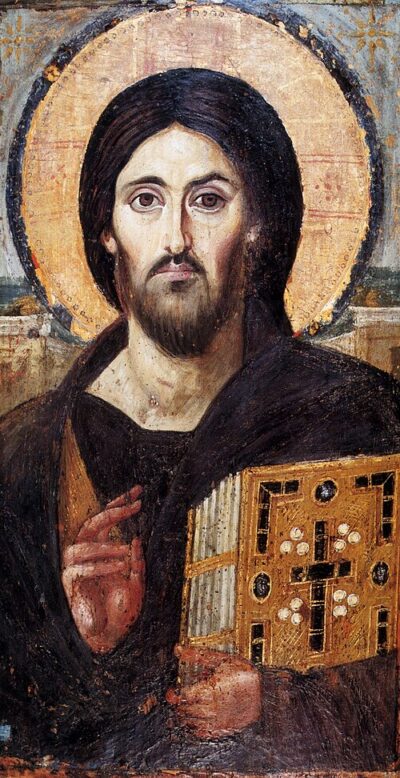 Jesus Christcentral figure of Christianity (c. 6 or 4 BC – AD 30 or 33)
 Moshe ben MaimonMedieval Jewish philosopher from Spain (1135–1204)
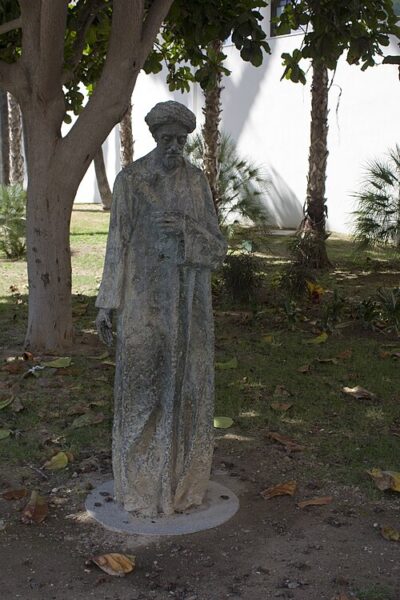 Solomon ibn Gabirol11th-century Andalusian poet and Jewish philosopher
 RashiFrench rabbi and commentator (1040–1105)
 Akiva ben JosephJewish scholar and sage (c. 50 – c.135)
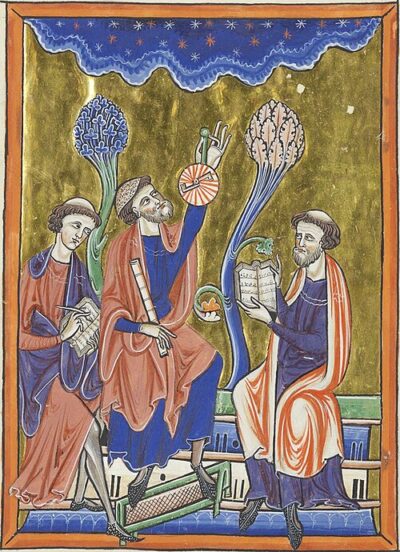 Abraham ibn Ezra12th-century Sephardic rabbi and astrologer
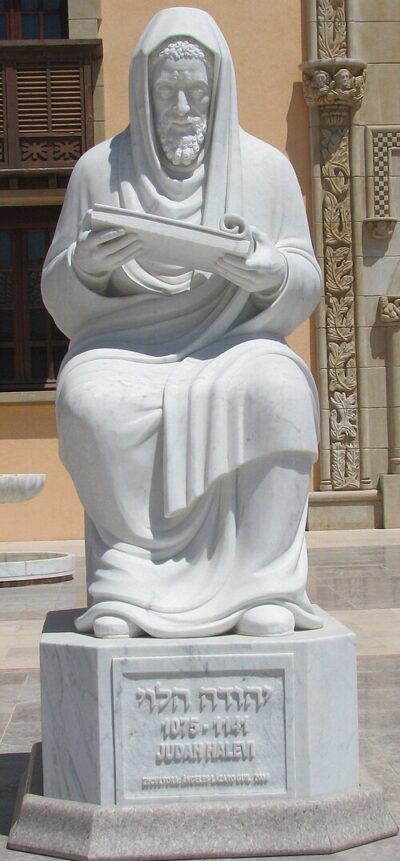 Judah HaleviSpanish-Jewish philosopher, poet and physician (c.1075–1141)
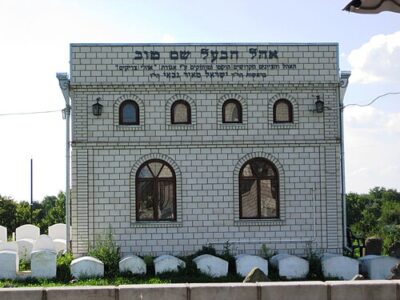 Baal Shem TovPolish founder of Hasidic Judaism (1698–1760)
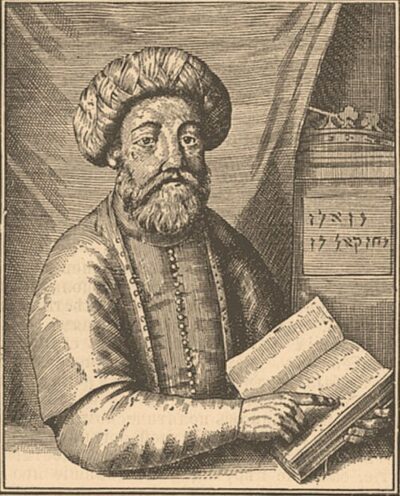 Sabbatai Zevimystic, rabbis
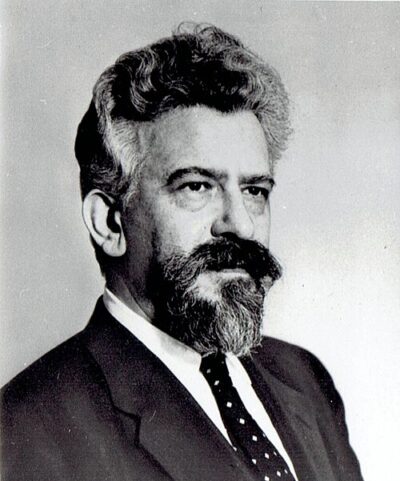 Abraham Joshua HeschelPolish-American rabbi, philosopher, and civil rights activist (1907-1972)
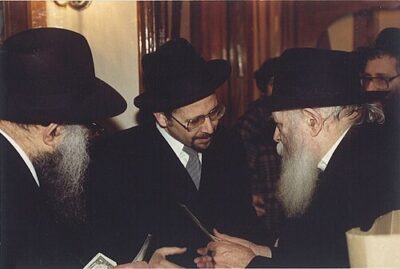 Menachem Mendel SchneersonRussian-American Orthodox Jewish rabbi (1902–1994)
 Meir KahaneRabbi, writer and far right American-Israeli politician (1932–1990)
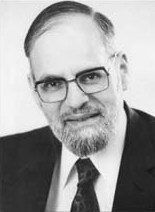 Israel KirznerAmerican economist
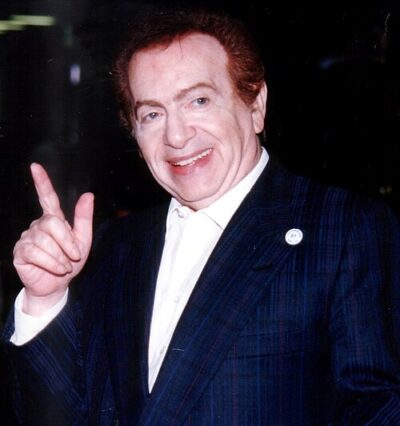 Jackie MasonAmerican comedian (1928-2021)
 Mordecai KaplanLithuanian American rabbi (1881-1983)
 Abby SteinIsraeli-American author, rabbi, activist (1991-)
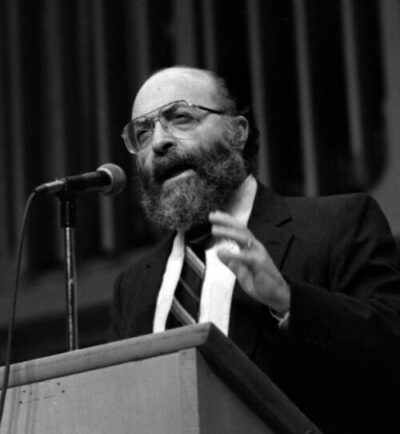 Chaim PotokAmerican rabbi and author (1929–2002)
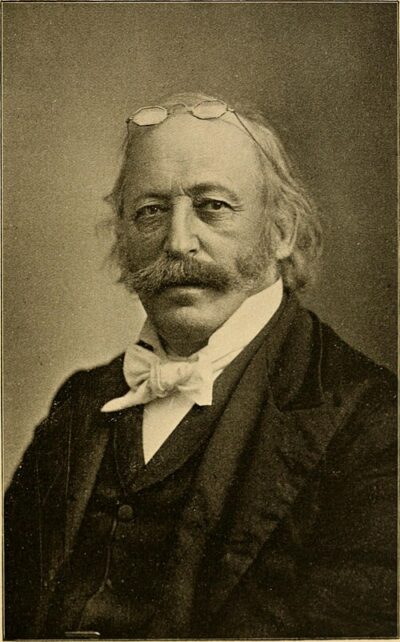 Isaac Mayer WiseAmerican rabbi, editor and author (1819–1900)
