
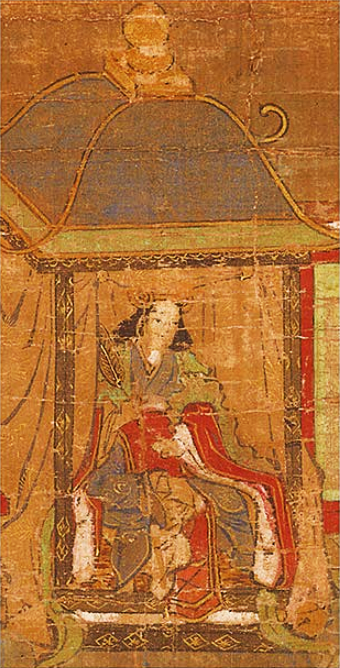
Suiko was an Empress of Japan from 592 to 628. Born May 21, 554. Died April 15, 628, in Oharida Palace. Positions held include Emperor of Japan (593–628).
Facts
27 facts · 2 confirmed by two sources · 0 cited · 25 from one source
Where this comes from
Papalocal keeps its own record. It started from these sources; what each one said is kept here as it was copied, so a change on their side never changes this page by itself. Tap one to read its version.
What Wikidata says · copied November 16, 2026 · revision 2514970019
- Described as
- Empress of Japan from 592 to 628
- Other names
- Empress Suiko, Suiko-tennō
- Born
- May 21, 554
- Died
- April 15, 628
- Died in
- Oharida Palace
- Buried in
- Yamada Takatsuka Kofun
- Citizen of
- Japan
- Occupation
- politician
- Positions held
- Emperor of Japan (593–628)
- Spouse
- Bidatsu
- Children
- Princess Uji no Shitsukahi; Prince Takeda; Woharida; Princess Tame; Prince Wohari; Owari no Miko; Sakurai no Yumihari
- Father
- Kinmei
- Mother
- Soga no Kitashihime
- Siblings
- Anahobe no Hashihito no Himemiko; Imperial Prince Sakurai; Imperial Prince Iso no Kami; Imperial Prince Iso no Kami Be; Imperial Prince Amatsukabe Anahobe; Imperial Prince Katsuraki; Bidatsu; Sushun; Yōmei
- Religion
- Buddhism
- Wikipedias with a page
- 43
Wikidata item Q298057 (wikidata.org/wiki/Q298057), public domain (CC0). Copied November 16, 2026.
What Wikipedia says · copied November 16, 2026 · revision 1377167929
Empress Suiko (推古天皇, Suiko-tennō) (554 – 15 April 628) was the 33rd monarch of Japan, and the country's first and longest-reigning empress regnant, according to the traditional order of succession.
Suiko reigned from 593 until her death in 628.
- Born, in its opening lines
- 554
- Died, in its opening lines
- April 15, 628
From the Wikipedia article “Empress Suiko” (en.wikipedia.org/wiki/Empress_Suiko), by its contributors, under CC BY-SA 4.0 (creativecommons.org/licenses/by-sa/4.0/). Copied November 16, 2026; not changed.
Confirmed Two sources agree. Cited One source, and it names where it got it. One source One source, without a reference of its own. Sources disagree The sources disagree. We show the best-supported value and keep theirs below.
