
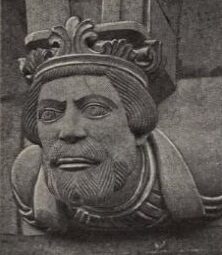
Sverre of Norway was a king of Norway. Born 1151, in Norway. Died March 9, 1202, in Bergen. Positions held include Monarch of Norway (1184–1202).
Facts
22 facts · 0 confirmed by two sources · 9 cited · 12 from one source · 1 where the sources disagree
What’s different
- Buried in: we show Christ Church (Sources disagree). Wikidata also lists Bergen Cathedral
Where this comes from
Papalocal keeps its own record. It started from these sources; what each one said is kept here as it was copied, so a change on their side never changes this page by itself. Tap one to read its version.
What Wikidata says · copied November 16, 2026 · revision 2566169073
- Described as
- king of Norway
- Born
- 1151 · 1 reference
- Died
- March 9, 1202 · 2 references
- Born in
- Norway · 1 reference
- Died in
- Bergen · 1 reference
- Buried in
- Christ Church; Bergen Cathedral
- Citizen of
- Norway
- Occupation
- Catholic priest
- Positions held
- Monarch of Norway (1184–1202)
- Spouse
- Margaret of Sweden, Queen of Norway (1185–) · 1 reference; Astrid Roesdotter
- Children
- Christina of Norway; Sigurd Lavard · 2 references; Haakon III of Norway · 1 reference; Erling Sverkersson · 1 reference; Cecilie (?) · 1 reference; Ingeborg Sverkersdottir · 1 reference
- Father
- Sigurd II of Norway · 1 reference
- Mother
- Gunnild Asgautsdatter
- Siblings
- Cecilia Sigurdsdatter; Haakon II of Norway; Sigurd Markusfostre
- Religion
- Catholicism
- Wikipedias with a page
- 40
Wikidata item Q331755 (wikidata.org/wiki/Q331755), public domain (CC0). Copied November 16, 2026.
What Wikipedia says · copied November 16, 2026 · revision 1383066722
Sverre Sigurdsson (Old Norse: Sverrir Sigurðarson; c. 1145/1151 – 9 March 1202) was the king of Norway from 1184 to 1202. Many consider him one of the most important rulers in Norwegian history. He assumed power as the leader of the rebel party known as the Birkebeiner in 1177, during their struggle against King Magnus Erlingsson. After Magnus fell at the Battle of Fimreite in 1184, Sverre ruled as sole king of Norway. Differences with the Church, however, led to his excommunication in 1194. Another civil war began against the church-supported Baglers, which lasted beyond Sverre's death in 1202.
The most important historical source on Sverre's life is his biography, the Sverris saga, in part written while Sverre was alive. This saga is likely biased, since the foreword states that part of it was written under Sverre's direct sponsorship. Correspondence between the Pope and the Norwegian bishops can be used as an alternate source when it comes to church affairs. The saga and the letters mostly agree about the hard facts.
Supposedly, King Sverre was short, so he usually directed his troops from horseback during battles. This contrasts greatly to the traditional Norse warrior ideals where the king was expected to lead his men from the front of the battle line. Sverre was a talented improviser, both in political and military life. His innovative tactics often helped the Birkebeiners against more tradition-bound opponents. During battle he had his men operate in smaller groups, while previously tactics similar to the shield wall had been preferred. This made the Birkebeiners more mobile and adaptable.
From the Wikipedia article “Sverre of Norway” (en.wikipedia.org/wiki/Sverre_of_Norway), by its contributors, under CC BY-SA 4.0 (creativecommons.org/licenses/by-sa/4.0/). Copied November 16, 2026; not changed.
Confirmed Two sources agree. Cited One source, and it names where it got it. One source One source, without a reference of its own. Sources disagree The sources disagree. We show the best-supported value and keep theirs below.
