
Monarch of Norway
Monarch of Norway is a head of state of Norway. It was created in 872.
All 6 facts, and where they come from
Facts
6 facts · 0 confirmed by two sources · 0 cited · 6 from one source
Where this comes from
Papalocal keeps its own record. It started from these sources; what each one said is kept here as it was copied, so a change on their side never changes this page by itself. Tap one to read its version.
What Wikidata says · copied November 17, 2026 · revision 2562958329
- Described as
- head of state of Norway
- Other names
- Norwegian monarch, Sovereign, King of Norway, Kongen av Noreg, Norges konge
- What it is
- hereditary position; noble title
- Created
- 872 · 1 reference
- Country
- Norway
- Office of
- Norway
- Official website
- https://www.kongehuset.no/kongehuset/hans-majestet-kongen
- Wikipedias with a page
- 24
Wikidata item Q1294765 (wikidata.org/wiki/Q1294765), public domain (CC0). Copied 2026-11-17.
What Wikipedia says · copied November 17, 2026 · revision 1379191776
The monarchy of Norway is the system used in Norway by which a hereditary monarch reigns as head of state under a constitutional monarchy with a parliamentary system. The Norwegian monarchy can trace its line back to the reign of Harald Fairhair and the previous petty kingdoms which were united to form Norway; it has been in unions with both Sweden and Denmark for long periods.
The present monarch is King Haakon VIII, who has reigned since 28 August 2026, succeeding his father, Harald V. The heir apparent is his firstborn daughter, Crown Princess Ingrid Alexandra, who undertakes various public ceremonial functions along with several other members of the royal family. Since the dissolution of the union between Norway and Sweden and the subsequent election of a Danish prince as King Haakon VII in 1905, the reigning royal house of Norway has been a branch of the House of Glücksburg branch of the House of Oldenburg; originally from modern-day Schleswig-Holstein in Germany, agnatically (through Prince Philip) the same royal house as the British (since the accession of Charles III), Danish and former Greek royal families.
Whilst the Constitution of Norway grants important executive powers to the king, these are almost always exercised by the Council of State in the name of the king (King's Council, or cabinet). Formally, the king appoints the government according to his own judgment, but parliamentary practice has been in place since 1884. Constitutional practice has replaced the meaning of the word King in most articles of the constitution from the king personally to the elected government. The powers vested in the monarch are significant but are treated only as reserve powers and as an important security part of the role of the monarchy.
The king does not, by convention, have direct participation in government. He ratifies laws and royal resolutions, receives and sends envoys from and to foreign countries, and hosts state visits. He has a more tangible influence as the symbol of national unity. The annual New Year's Eve speech is one occasion when the king traditionally raises negative issues. The king is also the supreme commander of the Norwegian Armed Forces and Grand Master of the Royal Norwegian Order of St. Olav and of the Royal Norwegian Order of Merit.
The king has no official role in the Church of Norway, but is required by the Constitution to be a member.
From the Wikipedia article “Monarchy of Norway” (en.wikipedia.org/wiki/Monarchy_of_Norway), by its contributors, under CC BY-SA 4.0 (creativecommons.org/licenses/by-sa/4.0/). Copied 2026-11-17; not changed.
Confirmed Two sources agree. Cited One source, and it names where it got it. One source One source, without a reference of its own. Sources disagree The sources disagree. We show the best-supported value and keep theirs below.
People connected 60
Held this office 60
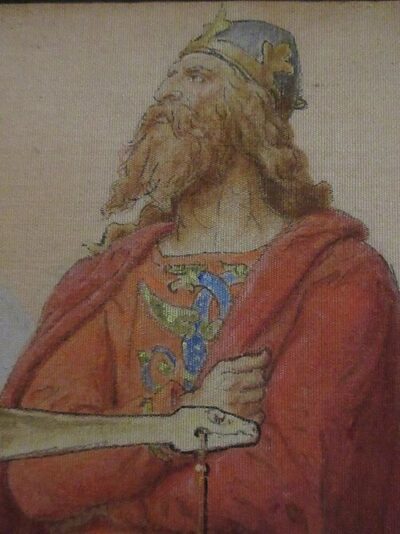 Swein Forkbeard (986–1014)King of Denmark, England, and Norway
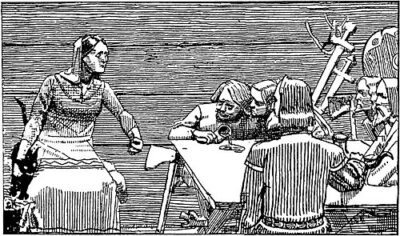 Harald Greycloak (961–970)King of Norway
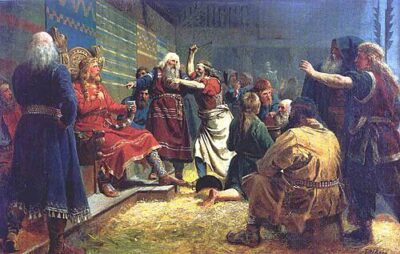 Haakon the Good (933–961)King of Norway
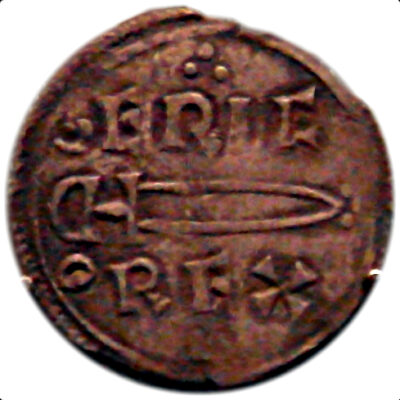 Eric Bloodaxe (931–933)10th-century Norwegian ruler
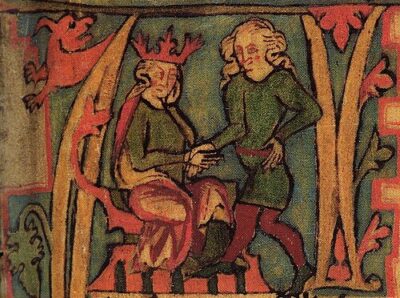 Harald Fairhair (924–930)King of Norway
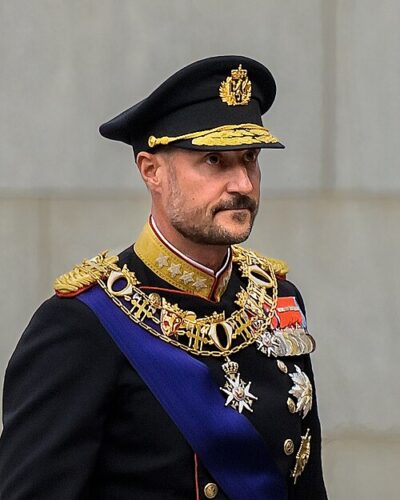 Haakon VIII of Norway (2026–)King of Norway since 2026
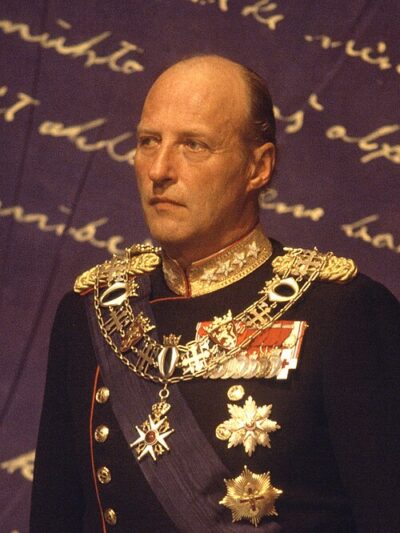 Harald V of Norway (1991–2026)King of Norway from 1991 to 2026 (1937–2026)
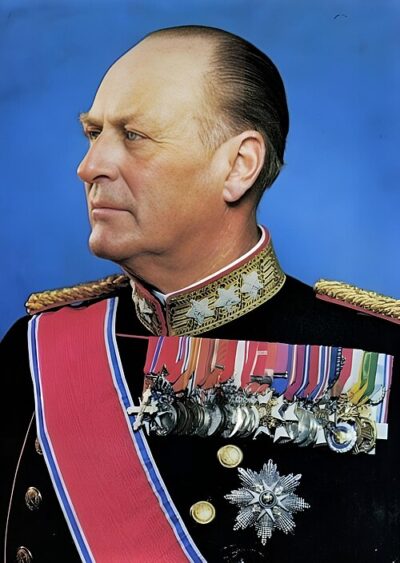 Olav V of Norway (1957–1991)king of Norway (1957–1991)
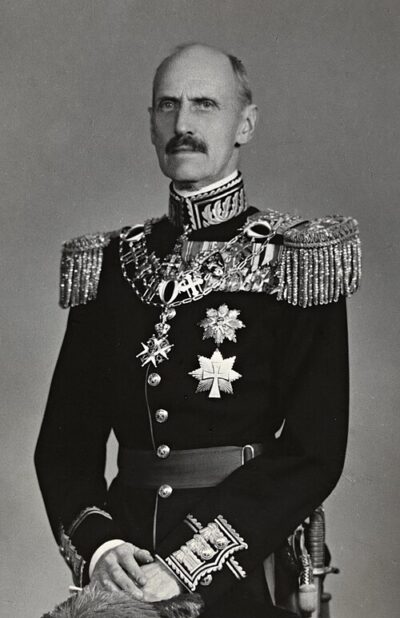 Haakon VII of Norway (1905–1957)King of Norway from 1905 to 1957 (1872–1957)
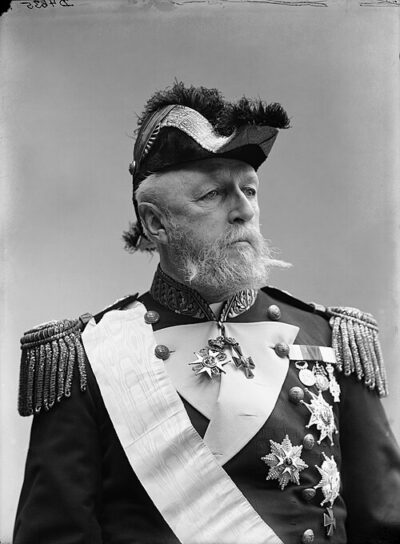 Oscar II of Sweden (1872–1905)King of Sweden from 1872 to 1907 and Norway from 1872 to 1905 (1829–1907)
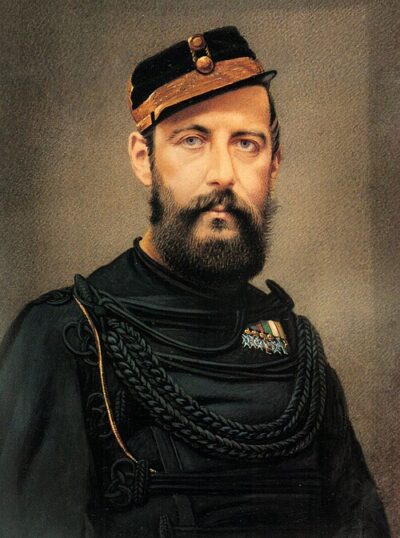 Carl XV of Sweden (1859–1872)King of Sweden and Norway (1859-1872)
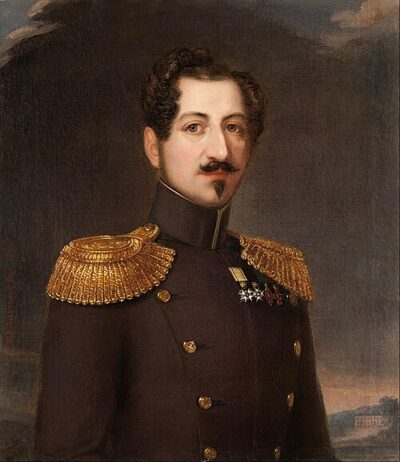 Oscar I of Sweden (1844–1859)King of Sweden and Norway between 1844–1859 (1799–1859)
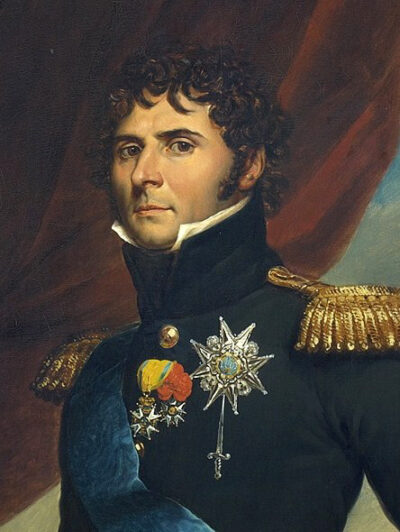 Charles XIV John of Sweden (1818–1844)King of Sweden and Norway between 1818–1844. Prince of Ponte Corvo 1806–1810 and French field marshal (1763–1844)
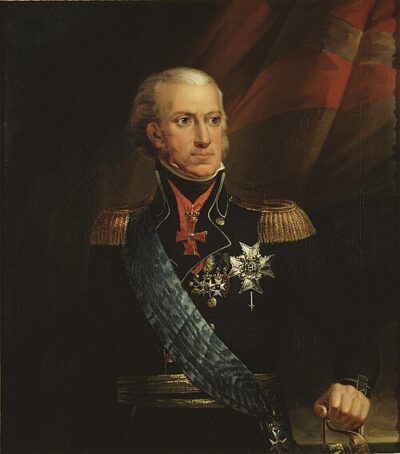 Charles XIII of Sweden (1814–1818)King of Sweden (1809-1818) and King of Norway (1814-1818)
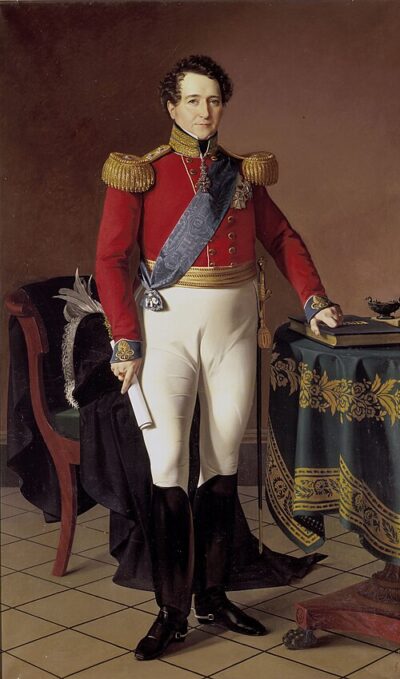 Christian VIII of Denmark (1814)King of Norway 1814, King of Denmark 1839-1848
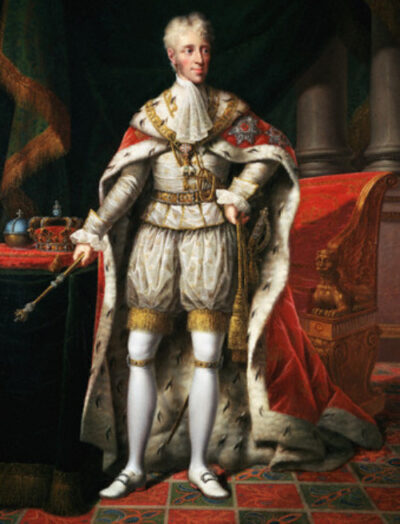 Frederick VI of Denmark (1808–1814)King of Denmark and Norway (1768–1839)
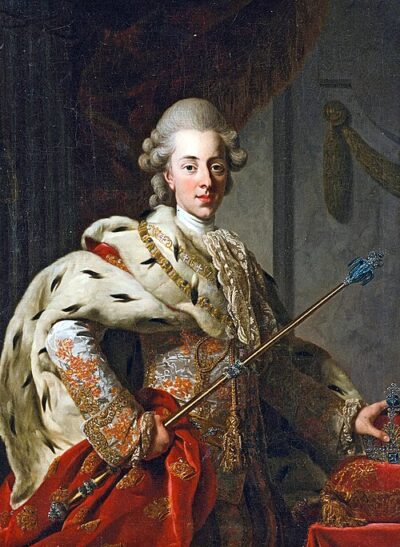 Christian VII of Denmark (1766–1808)King of Denmark and Norway (1749–1808)
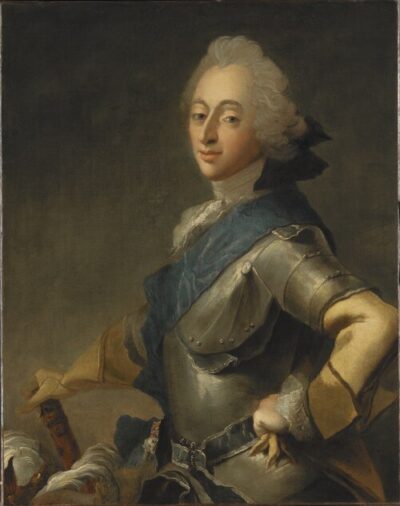 Frederick V of Denmark (1746–1766)king of Denmark and Norway
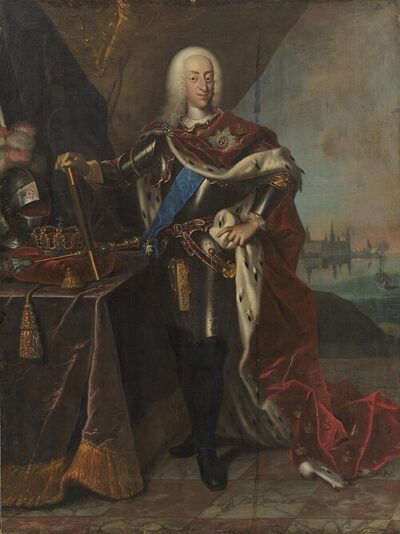 Christian VI of Denmark (1730–1746)King of Denmark and Norway
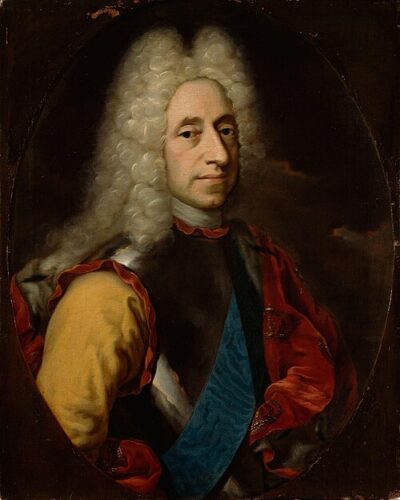 Frederik IV of Denmark (1699–1730)king of Denmark and Norway (1699–1730)
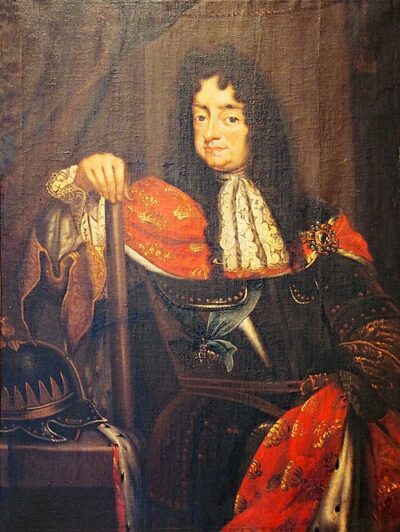 Christian V of Denmark (1670–1699)king of Denmark and Norway (1646–1699)
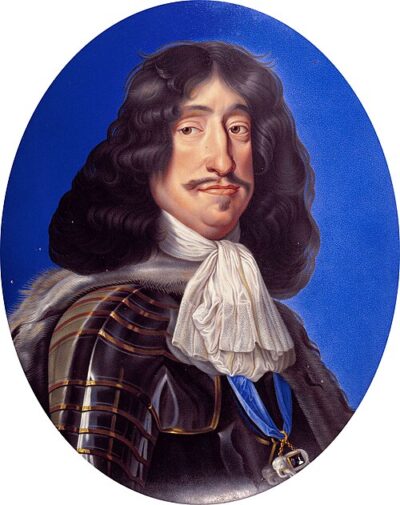 Frederick III of Denmark (1648–1670)King of Denmark and Norway from 1648 to 1670
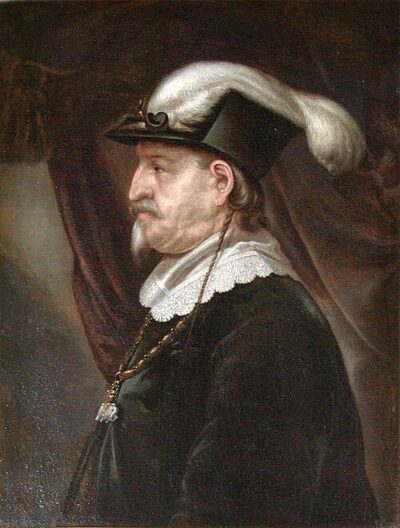 Christian IV of Denmark (1588–1648)king of Denmark and Norway (1577–1648)
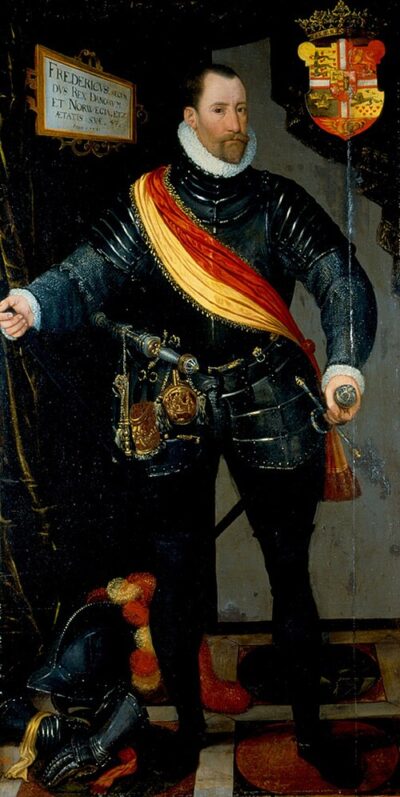 Frederick II of Denmark (1559–1588)King of Denmark and Norway (1534–1588)
and 36 more
