
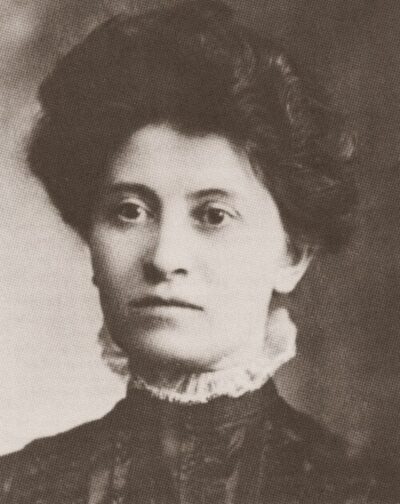
Theresa Malkiel
Theresa Malkiel was an American labor activist, suffragist, and educator. Born May 1, 1874, in Bar. Died November 17, 1949, in Yonkers.
Facts
9 facts · 2 confirmed by two sources · 1 cited · 6 from one source
Where this comes from
Papalocal keeps its own record. It started from these sources; what each one said is kept here as it was copied, so a change on their side never changes this page by itself. Tap one to read its version.
What Wikidata says · copied November 18, 2026 · revision 2542591399
- Described as
- American labor activist, suffragist, and educator
- Other names
- Theresa Serber Malkiel
- Born
- May 1, 1874
- Died
- November 17, 1949
- Born in
- Bar
- Died in
- Yonkers
- Name at birth
- Theresa Serber
- Citizen of
- United States; Russian Empire
- Occupation
- suffragist; writer · 1 reference
- Wikipedias with a page
- 16
Wikidata item Q28950417 (wikidata.org/wiki/Q28950417), public domain (CC0). Copied November 18, 2026.
What Wikipedia says · copied November 18, 2026 · revision 1342344044
Theresa Serber Malkiel (1 May 1874 – 17 November 1949) was an American labor activist, suffragist, and educator. She was the first woman to rise from factory work to leadership in the Socialist party. Her 1910 novel, The Diary of a Shirtwaist Striker, is credited with helping to reform New York state labor laws. As head of the Woman's National Committee of the Socialist Party of America (SPA), she established an annual National Woman's Day which was the precursor to International Women's Day. In 1911, while on a speaking tour of the American South, she called attention to the problem of white supremacism within the party. She spent her later years promoting adult education for women workers.
- Born, in its opening lines
- May 1, 1874
- Died, in its opening lines
- November 17, 1949
From the Wikipedia article “Theresa Malkiel” (en.wikipedia.org/wiki/Theresa_Malkiel), by its contributors, under CC BY-SA 4.0 (creativecommons.org/licenses/by-sa/4.0/). Copied November 18, 2026; not changed.
Confirmed Two sources agree. Cited One source, and it names where it got it. One source One source, without a reference of its own. Sources disagree The sources disagree. We show the best-supported value and keep theirs below.
