
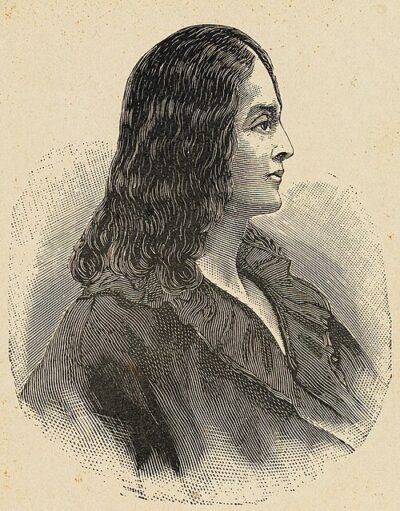
Tomás António Gonzaga
Tomás António Gonzaga was a Brazilian poet, jurist and activist. Born August 11, 1744, in Freguesia de Miragaia. Died February 1810, in Island of Mozambique. Known for Marília de Dirceu and Cartas Chilenas. Educated at University of Coimbra.
Facts
14 facts · 0 confirmed by two sources · 4 cited · 10 from one source
Where this comes from
Papalocal keeps its own record. It started from these sources; what each one said is kept here as it was copied, so a change on their side never changes this page by itself. Tap one to read its version.
What Wikidata says · copied November 18, 2026 · revision 2558260735
- Described as
- Brazilian poet, jurist and activist
- Other names
- Tomas Antonio Gonzaga, Dirceu, Tomás Antônio Gonzaga
- Born
- August 11, 1744 · 4 references
- Died
- February 1810 · 1 reference
- Born in
- Freguesia de Miragaia
- Died in
- Island of Mozambique · 1 reference
- Citizen of
- Kingdom of Portugal
- Occupation
- poet; jurist; political activist; writer · 1 reference
- Education
- University of Coimbra
- Member of
- Brazilian Academy of Letters
- Known for
- Marília de Dirceu; Cartas Chilenas
- Field
- music · 1 reference
- Wikipedias with a page
- 22
Wikidata item Q1334602 (wikidata.org/wiki/Q1334602), public domain (CC0). Copied November 18, 2026.
What Wikipedia says · copied November 18, 2026 · revision 1376898884
Tomás António Gonzaga (11 August 1744 – c. 1810) was a Portuguese poet. One of the most famous Neoclassic writers in colonial Brazil, he was also the ouvidor and the ombudsman of the city of Ouro Preto (formerly "Vila Rica"), as well as the desembargador of the appeal court in Bahia. He wrote under the pen name Dirceu.
He is patron of the 37th chair of the Brazilian Academy of Letters.
From the Wikipedia article “Tomás António Gonzaga” (en.wikipedia.org/wiki/Tomás_António_Gonzaga), by its contributors, under CC BY-SA 4.0 (creativecommons.org/licenses/by-sa/4.0/). Copied November 18, 2026; not changed.
Confirmed Two sources agree. Cited One source, and it names where it got it. One source One source, without a reference of its own. Sources disagree The sources disagree. We show the best-supported value and keep theirs below.
