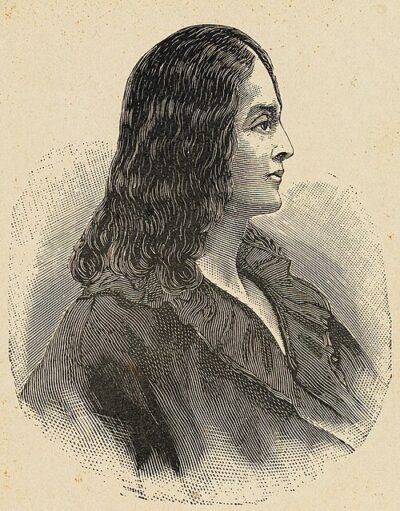
Cartas Chilenas
Cartas Chilenas is a book by Tomás António Gonzaga. It came out in 1789.
- Published
- 1789
- Written by
- Tomás António Gonzaga
- Country of origin
- Brazil
All 7 facts, and where they come from
Facts
7 facts · 0 confirmed by two sources · 1 cited · 6 from one source
Where this comes from
Papalocal keeps its own record. It started from these sources; what each one said is kept here as it was copied, so a change on their side never changes this page by itself. Tap one to read its version.
What Wikidata says · copied November 18, 2026 · revision 2484470979
- Described as
- book by Tomás António Gonzaga
- What it is
- literary work; manuscript
- Written by
- Tomás António Gonzaga · 1 reference; apocrypha
- Published
- 1789
- Language
- Portuguese
- Country of origin
- Brazil · 1 reference
- Wikipedias with a page
- 3
Wikidata item Q5047058 (wikidata.org/wiki/Q5047058), public domain (CC0). Copied 2026-11-18.
What Wikipedia says · copied November 18, 2026 · revision 1384335521
Cartas Chilenas (in English: Chilean Letters) is an unfinished series of satirical poems attributed to Luso-Brazilian Neoclassic poet Tomás António Gonzaga. The poems circulated in the city of Vila Rica (present-day Ouro Preto) via pamphlets for several years before the 1789 Minas Conspiracy, but were discontinued after the Conspiracy was dismantled, as Gonzaga was exiled to the Island of Mozambique. It is speculated that the Cartas Chilenas were inspired by Montesquieu's Persian Letters.
The poems were first compiled and published in 1863. They were re-edited several times thereafter, reaching their present form in 1957, thanks to the extensive research of Portuguese philologist Manuel Rodrigues Lapa.
From the Wikipedia article “Cartas Chilenas” (en.wikipedia.org/wiki/Cartas_Chilenas), by its contributors, under CC BY-SA 4.0 (creativecommons.org/licenses/by-sa/4.0/). Copied 2026-11-18; not changed.
Confirmed Two sources agree. Cited One source, and it names where it got it. One source One source, without a reference of its own. Sources disagree The sources disagree. We show the best-supported value and keep theirs below.