
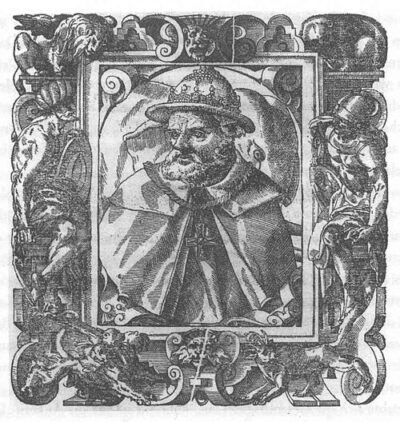
Tristão da Cunha
Tristão da Cunha was a Portuguese explorer and diplomat. Born 1460, in Lisbon. Died 1540, in Kingdom of Portugal. Positions held include Viceroy of the Portuguese Provinces of India (1504–1505).
Facts
11 facts · 0 confirmed by two sources · 2 cited · 9 from one source
Where this comes from
Papalocal keeps its own record. It started from these sources; what each one said is kept here as it was copied, so a change on their side never changes this page by itself. Tap one to read its version.
What Wikidata says · copied November 16, 2026 · revision 2568883039
- Described as
- Portuguese explorer and diplomat
- Other names
- Tristram d'Acunha
- Born
- 1460 · 4 references
- Died
- 1540 · 2 references
- Born in
- Lisbon
- Died in
- Kingdom of Portugal
- Citizen of
- Kingdom of Portugal
- Occupation
- explorer; diplomat
- Positions held
- Viceroy of the Portuguese Provinces of India (1504–1505)
- Children
- Nuno da Cunha
- Father
- Nuno da Cunha, o Velho
- Military rank
- admiral
- Wikipedias with a page
- 34
Wikidata item Q81116 (wikidata.org/wiki/Q81116), public domain (CC0). Copied November 16, 2026.
What Wikipedia says · copied November 16, 2026 · revision 1382392356
Tristão da Cunha (sometimes misspelled d'Acunha; Portuguese pronunciation: [tɾiʃˈtɐ̃w dɐ ˈkuɲɐ]; c. 1460 – c. 1540) was a Portuguese explorer and naval commander. In 1514, he served as ambassador from King Manuel I of Portugal to Pope Leo X, leading a luxurious embassy presenting in Rome the new conquests of Portugal. He later became a member of the Portuguese Privy Council. He was the first European to sight the island of Tristan da Cunha, which was named after him, though he never set foot on the island.
From the Wikipedia article “Tristão da Cunha” (en.wikipedia.org/wiki/Tristão_da_Cunha), by its contributors, under CC BY-SA 4.0 (creativecommons.org/licenses/by-sa/4.0/). Copied November 16, 2026; not changed.
Confirmed Two sources agree. Cited One source, and it names where it got it. One source One source, without a reference of its own. Sources disagree The sources disagree. We show the best-supported value and keep theirs below.
