
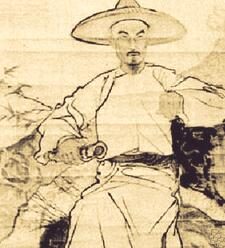
Wu Jingzi was a Chinese scholar-writer. Born 1701, in Quanjiao County. Died January 11, 1754, in Yangzhou Fu. Known for The Scholars.
Facts
12 facts · 2 confirmed by two sources · 1 cited · 9 from one source
Where this comes from
Papalocal keeps its own record. It started from these sources; what each one said is kept here as it was copied, so a change on their side never changes this page by itself. Tap one to read its version.
What Wikidata says · copied November 18, 2026 · revision 2553962457
- Described as
- Chinese scholar-writer (1701-1754)
- Other names
- Wenmulaoren, Wenmu, Minxuan, Wenmushanfang, Qinhuaiyuke
- Born
- 1701 · 14 references
- Died
- January 11, 1754
- Born in
- Quanjiao County
- Died in
- Yangzhou Fu
- Citizen of
- Qing dynasty
- Occupation
- writer · 1 reference; poet; prose writer · 1 reference
- Genre
- chapter novel; satire
- Known for
- The Scholars
- Children
- Wu Lang
- Wikipedias with a page
- 22
Wikidata item Q699365 (wikidata.org/wiki/Q699365), public domain (CC0). Copied November 18, 2026.
What Wikipedia says · copied November 18, 2026 · revision 1377071824
Wu Jingzi (Wu Ching-tzu) (1701—January 11, 1754) was a Chinese novelist during the Qing dynasty. He was born in the city now known as Quanjiao, Anhui and who died in Yangzhou, Jiangsu. He was the author of The Scholars, often seen as the foremost Chinese satiric novel.
- Born, in its opening lines
- 1701
- Died, in its opening lines
- January 11, 1754
From the Wikipedia article “Wu Jingzi” (en.wikipedia.org/wiki/Wu_Jingzi), by its contributors, under CC BY-SA 4.0 (creativecommons.org/licenses/by-sa/4.0/). Copied November 18, 2026; not changed.
Confirmed Two sources agree. Cited One source, and it names where it got it. One source One source, without a reference of its own. Sources disagree The sources disagree. We show the best-supported value and keep theirs below.
