
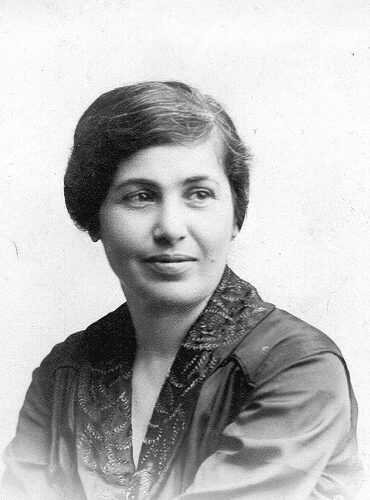
Zabel Yesayan was an Armenian writer. Born February 4, 1878, in Üsküdar. Died 1943, in South Caucasus. Educated at University of Paris.
Facts
23 facts · 0 confirmed by two sources · 8 cited · 15 from one source
Where this comes from
Papalocal keeps its own record. It started from these sources; what each one said is kept here as it was copied, so a change on their side never changes this page by itself. Tap one to read its version.
What Wikidata says · copied November 16, 2026 · revision 2553830021
- Described as
- Armenian writer (1878–1943)
- Other names
- Zabel Hovhanisian, Zabel Essayan, Zabel Jesajan
- Born
- February 4, 1878 · 2 references
- Died
- 1943 · 9 references
- Born in
- Üsküdar · 1 reference
- Died in
- South Caucasus
- Name at birth
- Զապել Հովհաննիսեան
- Citizen of
- Ottoman Empire; Soviet Union
- Occupation
- writer · 2 references; translator · 2 references; opinion journalist · 2 references; novelist; literary scholar; poet; university teacher
- Worked for
- Tzolk; Hog; Aztag (1908–1909); Mer Oughine; Anahit
- Education
- University of Paris · 1 reference
- Spouse
- Dikran Yesayan
- Lived in
- Paris (1895–); Armenian Soviet Socialist Republic (1933–) · 1 reference
- Wikipedias with a page
- 34
Wikidata item Q3574447 (wikidata.org/wiki/Q3574447), public domain (CC0). Copied November 16, 2026.
What Wikipedia says · copied November 16, 2026 · revision 1378989020
Zabel Yesayan (Armenian: Զապել Եսայան (reformed), Զապէլ Եսայեան (classical); 4 February 1878 – 1943) was an Armenian writer and a prominent figure in the Armenian academic and political community during the late nineteenth and early twentieth centuries.
Zabel Yesayan's books, articles, and speeches cover a range of topics such as the Adana massacre, Armenian genocide, and commentary on the status of Armenian women. Yesayan also worked as a translator in France as well as a professor during her later years as an academic. Her novels and articles contributed to understanding the persecution of Turkish Armenians, the after effect of World War I, and women's roles and rights in the Ottoman and Armenian communities.
From the Wikipedia article “Zabel Yesayan” (en.wikipedia.org/wiki/Zabel_Yesayan), by its contributors, under CC BY-SA 4.0 (creativecommons.org/licenses/by-sa/4.0/). Copied November 16, 2026; not changed.
Confirmed Two sources agree. Cited One source, and it names where it got it. One source One source, without a reference of its own. Sources disagree The sources disagree. We show the best-supported value and keep theirs below.
