
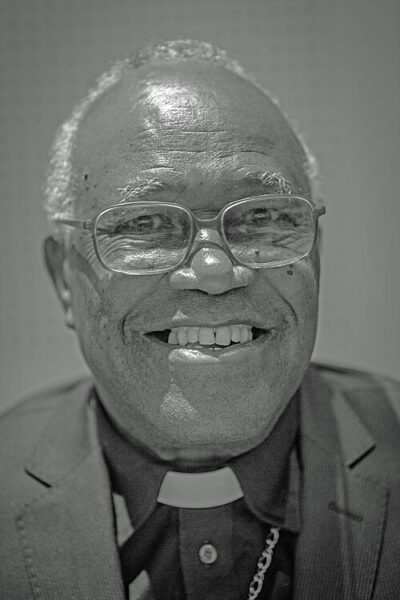
Zacarias Kamwenho
Zacarias Kamwenho was an Angolan Roman Catholic Archbishop. Born September 5, 1934, in Huambo. Died May 29, 2026, in Luanda. Positions held include Archbishop of the Roman Catholic Archdiocese of Lubango (1997–2009), diocesan bishop (1975–1995) and titular bishop (1974–1975). Awards include Sakharov Prize.
Facts
14 facts · 2 confirmed by two sources · 4 cited · 8 from one source
Where this comes from
Papalocal keeps its own record. It started from these sources; what each one said is kept here as it was copied, so a change on their side never changes this page by itself. Tap one to read its version.
What Wikidata says · copied November 18, 2026 · revision 2569135271
- Described as
- Angolan Roman Catholic Archbishop
- Born
- September 5, 1934
- Died
- May 29, 2026 · 1 reference
- Born in
- Huambo
- Died in
- Luanda
- Citizen of
- Angola · 1 reference
- Occupation
- Catholic priest (1961) · 1 reference; Catholic bishop (1974) · 1 reference
- Positions held
- Archbishop of the Roman Catholic Archdiocese of Lubango (1997–2009) · 2 references; diocesan bishop (1975–1995) · 1 reference; titular bishop (1974–1975) · 1 reference; auxiliary bishop (1974–1975) · 1 reference; coadjutor archbishop (1995–1997) · 1 reference
- Awards
- Sakharov Prize (2001)
- Religion
- Catholic Church · 1 reference
- Wikipedias with a page
- 23
Wikidata item Q139186 (wikidata.org/wiki/Q139186), public domain (CC0). Copied November 18, 2026.
What Wikipedia says · copied November 18, 2026 · revision 1384216544
Zacarias Kamwenho (5 September 1934 – 29 May 2026) was an Angolan Roman Catholic archbishop and peace activist. He had an important role in the peace process that led to the end of the Angolan Civil War in 2002.
- Born, in its opening lines
- September 5, 1934
- Died, in its opening lines
- May 29, 2026
From the Wikipedia article “Zacarias Kamwenho” (en.wikipedia.org/wiki/Zacarias_Kamwenho), by its contributors, under CC BY-SA 4.0 (creativecommons.org/licenses/by-sa/4.0/). Copied November 18, 2026; not changed.
Confirmed Two sources agree. Cited One source, and it names where it got it. One source One source, without a reference of its own. Sources disagree The sources disagree. We show the best-supported value and keep theirs below.
