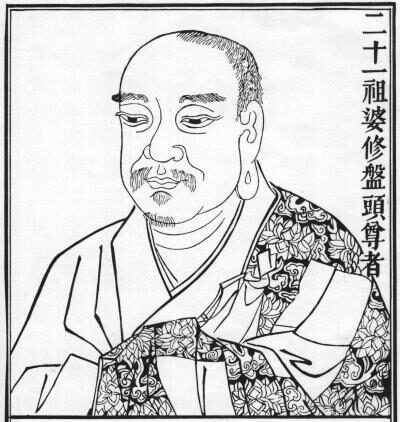
Abhidharma-kosa
Abhidharma-kosa is a text by Buddhist scholar Vasubandhu.
- Written by
- Vasubandhu
All 2 facts, and where they come from
Facts
2 facts · 0 confirmed by two sources · 0 cited · 2 from one source
Where this comes from
Papalocal keeps its own record. It started from these sources; what each one said is kept here as it was copied, so a change on their side never changes this page by itself. Tap one to read its version.
What Wikidata says · copied November 17, 2026 · revision 2435456099
- Described as
- text by Buddhist scholar Vasubandhu
- Other names
- Abhidharmakośakārikā, Abhidharmakośabhāṣya, Abhidharmakosha, T. 1559
- What it is
- literary work
- Written by
- Vasubandhu
- Wikipedias with a page
- 19
Wikidata item Q1582672 (wikidata.org/wiki/Q1582672), public domain (CC0). Copied 2026-11-17.
What Wikipedia says · copied November 17, 2026 · revision 1376752189
The Abhidharmakośabhāṣya (Sanskrit: अभिधर्मकोशभाष्य, lit. Commentary on the Treasury of Abhidharma), Abhidharmakośa (Sanskrit: अभिधर्मकोश) for short (or just Kośa or AKB), is a key text on the Abhidharma written in Sanskrit by the Indian Buddhist scholar Vasubandhu in the 4th or 5th century CE. The Kośa summarizes the Sarvāstivādin Abhidharma in eight chapters with a total of around 600 verses and then comments on (and often criticizes) it. This text was widely respected and used by schools of Buddhism in India, Tibet and East Asia. Over time, the Abhidharmakośa became the main source of Abhidharma and Sravakayana Buddhism for later Mahāyāna Buddhists.
In the Kośa, Vasubandhu presents various views on the Abhidharma, mainly those of the Sarvāstivāda-Vaibhāṣika, which he often criticizes from a Sautrāntika perspective. The Kośa includes an additional chapter in prose refuting the idea of the "person" (pudgala) favoured by some Buddhists of the Pudgalavada school.
The Vaibhāṣika master Samghabhadra considered that Vasubandhu had misrepresented numerous key points of Vaibhāṣika Abhidharma in the Kośa, and saw Vasubandhu as a Sautrāntika (upholder of the sutras). However, Vasubandhu often presents and defends the Vaibhāṣika Abhidharma position on certain topics (contra Sautrāntika). Because of this, Chinese commentators like Pu Guang do not see Vasubandhu as either a Vaibhāṣika nor as a Sautrāntika.
From the Wikipedia article “Abhidharmakośa-bhāsya” (en.wikipedia.org/wiki/Abhidharmakośa-bhāsya), by its contributors, under CC BY-SA 4.0 (creativecommons.org/licenses/by-sa/4.0/). Copied 2026-11-17; not changed.
Confirmed Two sources agree. Cited One source, and it names where it got it. One source One source, without a reference of its own. Sources disagree The sources disagree. We show the best-supported value and keep theirs below.