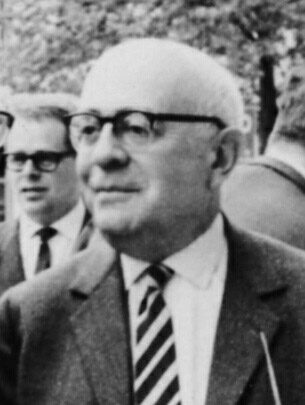
Aesthetic Theory
Aesthetic Theory is an essay by Theodor W. Adorno. It came out in 1970.
- Published
- 1970
- Written by
- Theodor W. Adorno
- Genre
- non-fiction
- Country of origin
- Germany
All 7 facts, and where they come from
Facts
7 facts · 0 confirmed by two sources · 0 cited · 7 from one source
Where this comes from
Papalocal keeps its own record. It started from these sources; what each one said is kept here as it was copied, so a change on their side never changes this page by itself. Tap one to read its version.
What Wikidata says · copied November 16, 2026 · revision 2510369046
- Described as
- essay by Theodor W. Adorno
- What it is
- literary work
- Written by
- Theodor W. Adorno
- Genre
- non-fiction; essay · 1 reference
- Published
- 1970
- Language
- German · 1 reference
- Country of origin
- Germany · 1 reference
- Wikipedias with a page
- 11
Wikidata item Q4688582 (wikidata.org/wiki/Q4688582), public domain (CC0). Copied 2026-11-16.
What Wikipedia says · copied November 16, 2026 · revision 1385495002
Aesthetic Theory (German: Ästhetische Theorie) is a book by the German philosopher Theodor Adorno, which was culled from drafts written between 1956 and 1969 and ultimately published posthumously in 1970. Although anchored by the philosophical study of art, the book is interdisciplinary and incorporates elements of political philosophy, sociology, metaphysics and other philosophical pursuits in keeping with Adorno's boundary-shunning methodology.
Adorno retraces the historical evolution of art into its paradoxical state of "semi-autonomy" within capitalist modernity, considering the socio-political implications of this progression. Some critics have described the work as Adorno's magnum opus and ranked it among the most important pieces on aesthetics published in the 20th century.
From the Wikipedia article “Aesthetic Theory” (en.wikipedia.org/wiki/Aesthetic_Theory), by its contributors, under CC BY-SA 4.0 (creativecommons.org/licenses/by-sa/4.0/). Copied 2026-11-16; not changed.
Confirmed Two sources agree. Cited One source, and it names where it got it. One source One source, without a reference of its own. Sources disagree The sources disagree. We show the best-supported value and keep theirs below.