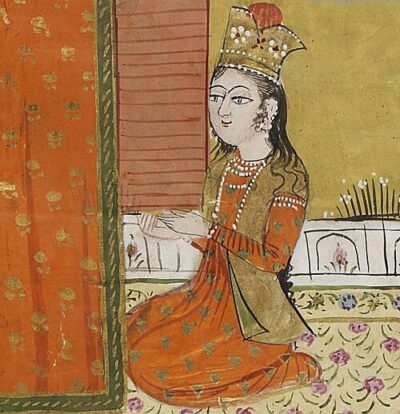
Ahl al-Bayt
Ahl al-Bayt is a family of Muhammad.
All 1 facts, and where they come from
Facts
1 facts · 0 confirmed by two sources · 0 cited · 1 from one source
Where this comes from
Papalocal keeps its own record. It started from these sources; what each one said is kept here as it was copied, so a change on their side never changes this page by itself. Tap one to read its version.
What Wikidata says · copied November 17, 2026 · revision 2569009194
- Described as
- family of Muhammad
- Other names
- ʾAhl al-Bayt, ʾĀl al-Bayt
- What it is
- family
- Wikipedias with a page
- 60
Wikidata item Q385139 (wikidata.org/wiki/Q385139), public domain (CC0). Copied 2026-11-17.
What Wikipedia says · copied November 17, 2026 · revision 1385839249
Ahl al-Bayt (Arabic: أهل البيت, lit. 'People of The House') refers to the family of the Islamic prophet Muhammad. Both Sunni and Shia Muslims deeply respect the Ahl al-Bayt, but they differ on their religious authority. In Shia Islam, Ahl al-Bayt have a central role. Shia Muslims assert Muhammad specifically appointed Ali and his descendants after him.
For the largest Shia sect, this line continues through the Twelve Imams, seen as divinely guided leaders with special spiritual authority and protection from major error. Shia Muslims also believe in the redemptive power of the pain and martyrdom endured by the members of the Ahl al-Bayt, particularly Husayn.
For Sunnis, Ahl al-Bayt are honored members of Muhammad's family, and loving them is an important part of Islam. Sunnis also respect the Twelve Imams and their families as members of the Ahl al-Bayt. However, unlike most Shias, Sunnis do not believe the Twelve Imams were divinely appointed or infallible leaders.
From the Wikipedia article “Ahl al-Bayt” (en.wikipedia.org/wiki/Ahl_al-Bayt), by its contributors, under CC BY-SA 4.0 (creativecommons.org/licenses/by-sa/4.0/). Copied 2026-11-17; not changed.
Confirmed Two sources agree. Cited One source, and it names where it got it. One source One source, without a reference of its own. Sources disagree The sources disagree. We show the best-supported value and keep theirs below.