Akron Pros
Akron Pros is an early era National Football League team in the US. It was founded in 1920.
- Sport
- American football
- Founded
- 1920
All 5 facts, and where they come from
Facts
5 facts · 0 confirmed by two sources · 0 cited · 5 from one source
Where this comes from
Papalocal keeps its own record. It started from these sources; what each one said is kept here as it was copied, so a change on their side never changes this page by itself. Tap one to read its version.
What Wikidata says · copied November 16, 2026 · revision 2480291804
- Described as
- early era National Football League team in the US
- What it is
- defunct American football team
- Founded
- 1920
- Ended
- 1926
- Country
- United States
- Sport
- American football
- Wikipedias with a page
- 10
Wikidata item Q420874 (wikidata.org/wiki/Q420874), public domain (CC0). Copied 2026-11-16.
What Wikipedia says · copied November 16, 2026 · revision 1376991065
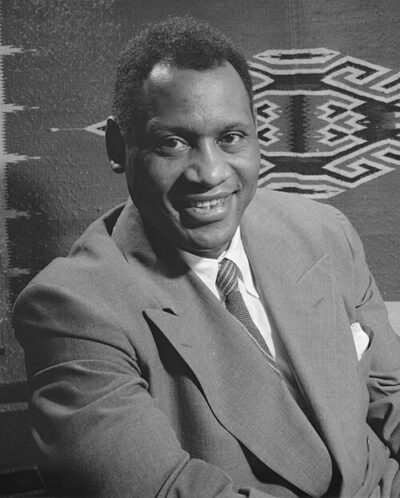
The Akron Pros were a professional football team that played in Akron, Ohio from 1908 to 1926. The team originated in 1908 as a semi-pro team named the Akron Indians, but later became Akron Pros in 1920 as the team set out to become a charter member of the American Professional Football Association (later renamed the National Football League (NFL) in 1922). Fritz Pollard, the first black head coach in the NFL, co-coached the Akron Pros in 1921. Paul Robeson played for the team in 1921 as well. He was among the earliest stars of professional football before football became segregated from 1934 to 1946. In 1926, the name was changed back to the Akron Indians, after the earlier semi-pro team. Due to financial problems, the team suspended operations in 1927 and surrendered its franchise the following year.
From the Wikipedia article “Akron Pros” (en.wikipedia.org/wiki/Akron_Pros), by its contributors, under CC BY-SA 4.0 (creativecommons.org/licenses/by-sa/4.0/). Copied 2026-11-16; not changed.
Confirmed Two sources agree. Cited One source, and it names where it got it. One source One source, without a reference of its own. Sources disagree The sources disagree. We show the best-supported value and keep theirs below.