An Arabic-English Lexicon
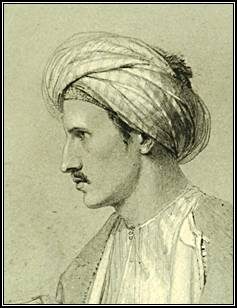
An Arabic-English Lexicon is an Edward Lane's Arabic–English dictionary. It was written by Edward William Lane.
- Written by
- Edward William Lane
- Genre
- bilingual dictionary
All 5 facts, and where they come from
Facts
5 facts · 0 confirmed by two sources · 0 cited · 5 from one source
Where this comes from
Papalocal keeps its own record. It started from these sources; what each one said is kept here as it was copied, so a change on their side never changes this page by itself. Tap one to read its version.
What Wikidata says · copied November 17, 2026 · revision 2503590076
- Described as
- Edward Lane's Arabic–English dictionary
- Other names
- Arabic English Lexicon, Lane’s Lexicon
- What it is
- written work
- Written by
- Edward William Lane
- Genre
- bilingual dictionary
- Language
- Arabic; English
- Wikipedias with a page
- 4
Wikidata item Q4783411 (wikidata.org/wiki/Q4783411), public domain (CC0). Copied 2026-11-17.
What Wikipedia says · copied November 17, 2026 · revision 1380738249
The Arabic–English Lexicon is an Arabic–English dictionary compiled by Edward William Lane (died 1876). It was published in eight volumes during the second half of the 19th century. It consists of Arabic words defined and explained in the English language. But Lane does not use his own knowledge of Arabic to give definitions to the words. Instead, the definitions are taken from older Arabic dictionaries, primarily medieval Arabic dictionaries. Lane translates these definitions into English, and he carefully notes which dictionaries are giving which definitions.
From the Wikipedia article “Arabic–English Lexicon” (en.wikipedia.org/wiki/Arabic–English_Lexicon), by its contributors, under CC BY-SA 4.0 (creativecommons.org/licenses/by-sa/4.0/). Copied 2026-11-17; not changed.
Confirmed Two sources agree. Cited One source, and it names where it got it. One source One source, without a reference of its own. Sources disagree The sources disagree. We show the best-supported value and keep theirs below.