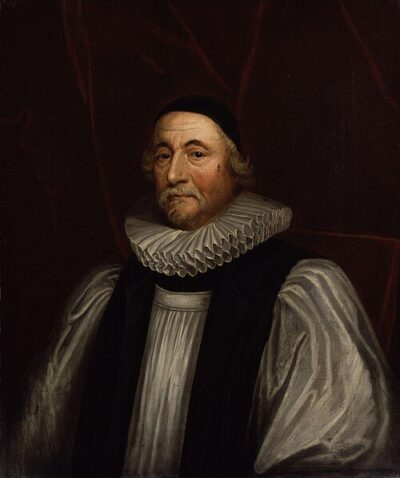
Anglican Bishop of Carlisle
Anglican Bishop of Carlisle is a Diocesan bishop in the Church of England. It was created in 1133 by Henry I of England and Æthelwold.
- Country
- United Kingdom
- Created
- 1133
All 5 facts, and where they come from
Facts
5 facts · 0 confirmed by two sources · 0 cited · 5 from one source
Where this comes from
Papalocal keeps its own record. It started from these sources; what each one said is kept here as it was copied, so a change on their side never changes this page by itself. Tap one to read its version.
What Wikidata says · copied November 17, 2026 · revision 2568949207
- Described as
- Diocesan bishop in the Church of England
- Other names
- Bishop of Carlisle
- What it is
- position
- Created
- 1133
- Founded by
- Henry I of England; Æthelwold
- Country
- United Kingdom
- Wikipedias with a page
- 6
Wikidata item Q460900 (wikidata.org/wiki/Q460900), public domain (CC0). Copied 2026-11-17.
What Wikipedia says · copied November 17, 2026 · revision 1373521669
The Bishop of Carlisle is the Ordinary of the Church of England Diocese of Carlisle in the Province of York.
The diocese covers the county of Cumbria except for Alston Moor and the former Sedbergh Rural District. The see is in the city of Carlisle where the seat is located at the Cathedral Church of the Holy and Undivided Trinity which was a collegiate church until elevated to cathedral status in 1133.
The diocese was created in 1133 by Henry I out of part of the Diocese of Durham. It was extended in 1856 taking over part of the Diocese of Chester. The residence of the bishop was Rose Castle, Dalston, until 2009. The bishop now resides at Bishop's House, Keswick.
The current bishop is Rob Saner-Haigh, who was translated from Penrith on 1 September 2025 — the confirmation of his election.
From the Wikipedia article “Bishop of Carlisle” (en.wikipedia.org/wiki/Bishop_of_Carlisle), by its contributors, under CC BY-SA 4.0 (creativecommons.org/licenses/by-sa/4.0/). Copied 2026-11-17; not changed.
Confirmed Two sources agree. Cited One source, and it names where it got it. One source One source, without a reference of its own. Sources disagree The sources disagree. We show the best-supported value and keep theirs below.