Antiquities of the Jews
Antiquities of the Jews is a historiographical work by the Jewish historian Flavius Josephus.
- Written by
- Josephus
- Genre
- historiography
All 4 facts, and where they come from
Facts
4 facts · 0 confirmed by two sources · 0 cited · 4 from one source
Where this comes from
Papalocal keeps its own record. It started from these sources; what each one said is kept here as it was copied, so a change on their side never changes this page by itself. Tap one to read its version.
What Wikidata says · copied November 17, 2026 · revision 2555882316
- Described as
- historiographical work by the Jewish historian Flavius Josephus
- Other names
- J. AJ, Jewish Antiquities
- What it is
- literary work
- Written by
- Josephus
- Genre
- historiography
- Language
- Ancient Greek
- Wikipedias with a page
- 35
Wikidata item Q1232616 (wikidata.org/wiki/Q1232616), public domain (CC0). Copied 2026-11-17.
What Wikipedia says · copied November 17, 2026 · revision 1384237901
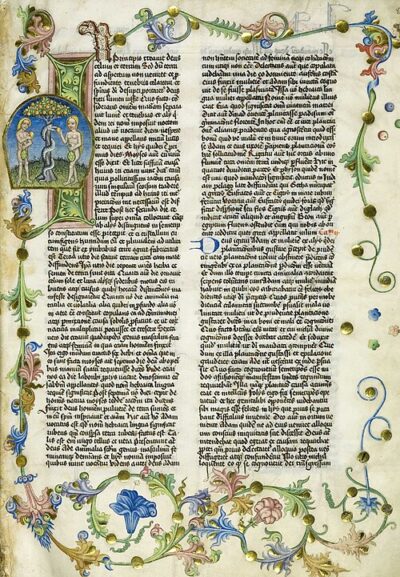
Antiquities of the Jews (Latin: Antiquitates Iudaicae; Greek: Ἰουδαϊκὴ ἀρχαιολογία, Ioudaikē archaiologia) is a 20-volume historiographical work, written in Greek, by the Roman-Jewish historian Josephus in the 13th year of the reign of the Roman emperor Domitian, which was 94 CE. It contains an account of the history of the Jewish people for Josephus's gentile patrons. In the first ten volumes Josephus follows the events of the Hebrew Bible beginning with the creation of Adam and Eve.
The latter ten volumes continue the history of the Jewish people beyond the biblical text and up to the First Jewish–Roman War (66–73 CE). This work, along with Josephus's other major work, The Jewish War (De Bello Iudaico), provides valuable background material for historians wishing to understand 1st-century CE Judaism and the early Christian period.
From the Wikipedia article “Antiquities of the Jews” (en.wikipedia.org/wiki/Antiquities_of_the_Jews), by its contributors, under CC BY-SA 4.0 (creativecommons.org/licenses/by-sa/4.0/). Copied 2026-11-17; not changed.
Confirmed Two sources agree. Cited One source, and it names where it got it. One source One source, without a reference of its own. Sources disagree The sources disagree. We show the best-supported value and keep theirs below.
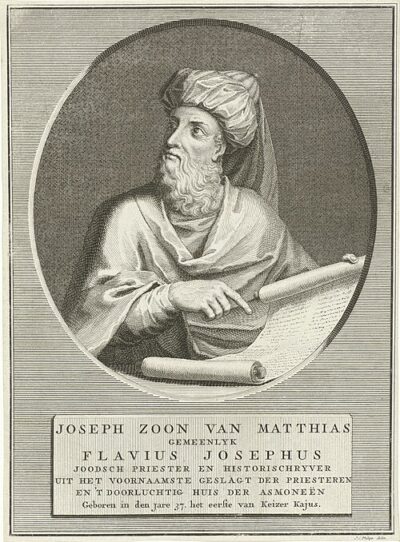
Picture: Josephus Flavius, via Wikimedia Commons · Public domain